Home
/
Fish species
/
Agassiz's Dwarf Cichlid
Agassiz's Dwarf Cichlid
Origin
South America
Habitat Size
50-150 Liters
Water Type
Fresh Water
Water Temperature
24º-28ºC
Cost in India
₹80 - ₹150
Size
3 - 4 inches (Small)
Diet
Omnivore

by Happy Pet TeamUpdated on 2 Dec 2025
Agassiz's Dwarf Cichlid Fish Guide
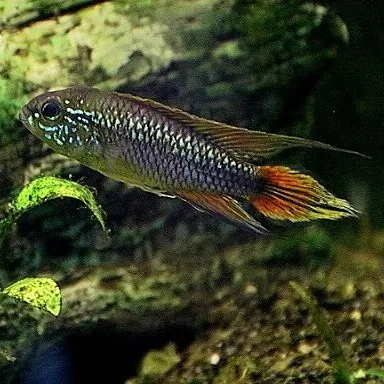
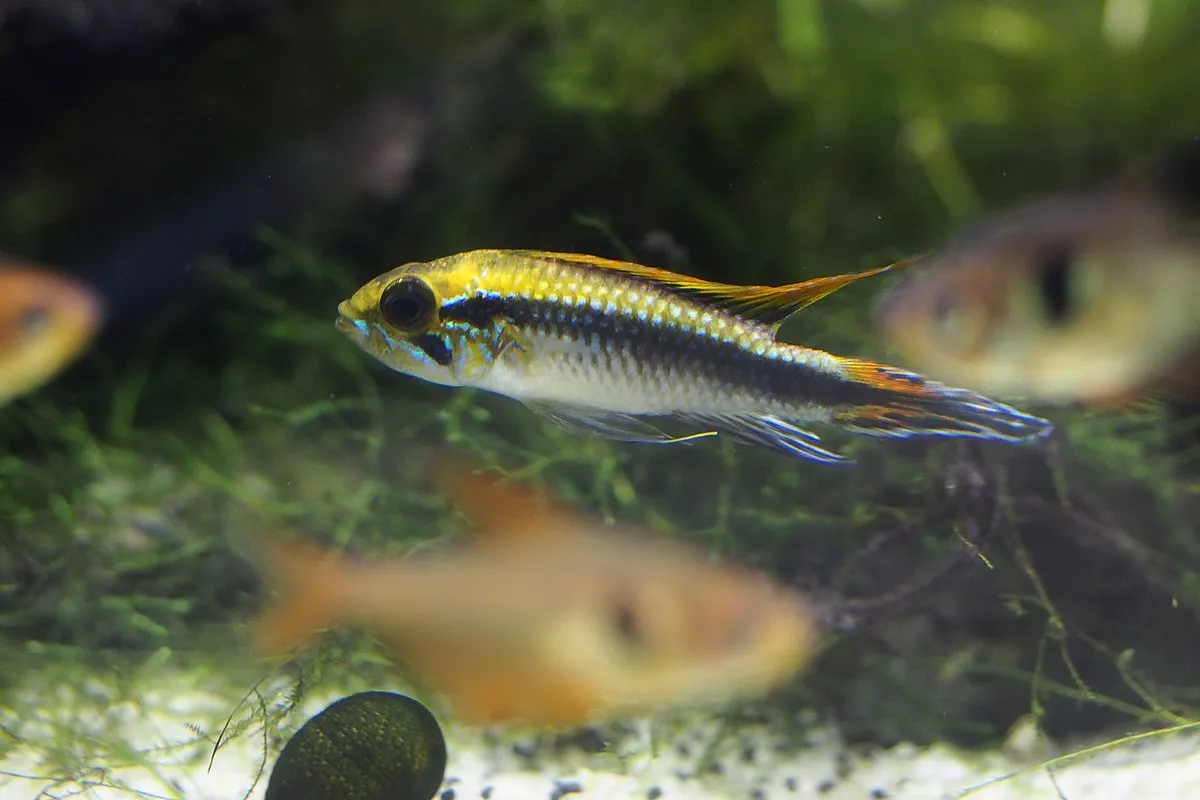
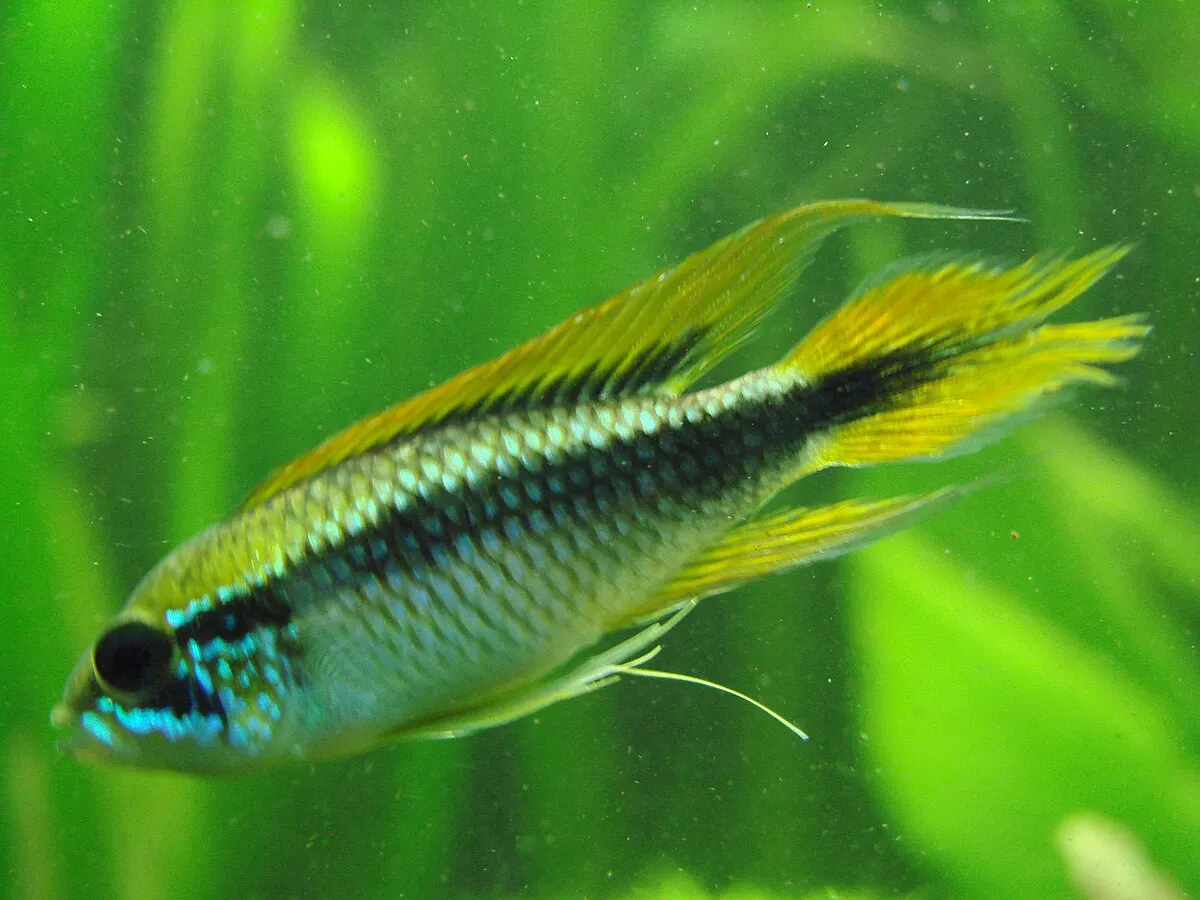
The Agassiz's Dwarf Cichlid (Apistogramma agassizii) is a tiny yet dazzling freshwater fish known for its rainbow-like colors and lively personality. Males often shine in shades of red, blue, and yellow, while females stay smaller and paler but are just as charming. These little cichlids are loved by aquarists for their graceful swimming and interesting behavior. Though small in size, they bring big character to any aquarium, often exploring their home and showing off their bright fins like underwater jewels.
Origin
- Native to South America, mostly the Amazon basin and nearby rivers.
- They were first described in the 1800s and have several natural color variants found in different rivers.
Temperament
- Generally peaceful but territorial during breeding
- Males may chase each other; females can be fiercely protective of fry
- Best for calm community tanks with mellow tankmates
Agassiz's Dwarf Cichlid Compatibility
Good with small, peaceful fish like:
- Bristlenose plecos
- Pencilfish
- Neon tetras
- Otocinclus catfish
- Rasboras
- Cardinal tetras
Avoid:
- Big, boisterous fish or very fast swimmers that will stress them (e.g., large barbs, big cichlids).
Agassiz's Dwarf Cichlid Price in India
- ₹300–₹1,200 per fish depending on color form, size, and seller
- Rare color variants cost more
Characteristics
Temperament
Aggressive
Friendly
Compatibility with other fishes
Not Friendly
Super Friendly
Habitat Size
Small
Large


Agassiz's Dwarf Cichlid Habitat requirements
Initial Setup Cost
₹4,000 - ₹12,000
Water Temperature
24º -28ºC
Water Type
Fresh Water
PH Level
6 - 6
Agassiz's Dwarf Cichlid Tank type
- Freshwater, planted community or species tank
Aquarium size
- 40 liters (10–12 US gallons) for a pair
- Larger (60–80 L) if keeping multiple males or a small group
Agassiz's Dwarf Cichlid Water Conditions
- Temperature: 26–29°C
- pH: slightly acidic to neutral — about 5.5 to 7.0
- Hardness: soft to moderately hard water (low to moderate 0 to 12 dGH)
Environment needs
- Lots of hiding places:
- Caves
- Driftwood
- Leaf litter
- Dense plants
- Soft substrate (sand or fine gravel) is preferred — they like to explore the bottom
- Low to moderate lighting and gentle water flow help them feel secure
Essential Equipment
Aquarium tank
Water filter
Heater
Light
Substrate
Agassiz's Dwarf Cichlid Nutritional Guide
Avg Monthly Expenses
₹80 - ₹ 150
Agassiz's Dwarf Cichlid Diet type
Omnivore with carnivorous leanings (likes protein-rich foods)
Suitable foods
- Live or frozen foods:
- Larvae
- Micro worms
- Daphnia
- Baby brine shrimp
- Bloodworms
- High-quality pellets and flakes
- Occasional vegetable-based or algae-based foods for variety
Agassiz's Dwarf Cichlid Feeding frequency & tips
- Feed small amounts 1–2 times daily
- Offer a mix: mostly protein-rich items plus some prepared foods.
- Remove uneaten food after a few minutes to keep the water clean.


Agassiz's Dwarf Cichlid Health & Care
Common Health Issues
Fin rot
White spot / ick
Velvet disease (yellowish-brown spots on the skin)
Columnaris (cotton wool-like growth on the skin)
Parasitic infections
Bacterial infections
Signs of good health
Active
Bright coloration
Good apetite
Signs of sickness
Loss of appetite
Lethargic behaviour
White growths
Swim bladder issues
Dull coloring
Agassiz's dwarf cichlids are a hardy fish species if tank conditions and food supply are stable; however, they can suffer from various common aquarium diseases and ailments. Below this are the more common issues, signs, and treatments.
Ich
The spots appear small and white upon the fish's body and fins. Fish that are infected rub against objects, breathe in a heavy way, or hide. To treat, raise the water temperature gradually if the species allows. Reliably use an ich medication or treat effectively with copper. Frequently change the water to physically remove free-swimming stages. Quarantine any new fish as they join the aquarium.
Fin Rot
Bacteria infect and usually make fins appear ragged or discolored because fins are damaged or the water quality is poor. Visible symptoms include damaged fins, blackened fin serrations, and loss of fin tissue of some kind. These can be treated through improved water quality, partial water changes, antibacterial medications, reduced stress levels, and a healthy diet.
Internal or External Parasites
Infection signs are that weight reduces, eyes cloud, fish swim with trouble, and external parasites create scratching along with spots on the skin. A vet or experienced aquarist should make a diagnosis if possible. Treatment options include dipping into an anti-parasitic solution/medicating, along with maintaining a clean environment. Keep new fish apart and give care to them before putting the fish in the main tank.
Agassiz's Dwarf Cichlid General health tips
- Keep water stable: regular partial water changes (20–30% weekly)
- Quarantine new fish for 2–4 weeks before introducing them
- Avoid overfeeding; remove uneaten food
- Provide hiding places and a calm tank to reduce stress
- Watch fish daily for changes in color, appetite, or behavior
Prerequisites for a Fish
Adequate tank space
Cleanliness
Effort & commitment
Enriching Environment
Written by
Happy Pet TeamAuthor
Team Happy Pet is a passionate collective of pet experts, enthusiasts, and advocates dedicated to sharing trusted and insightful content.
Our cont
Frequently Asked Questions
What should I feed Agassiz's Dwarf Cichlid?
They thrive on a varied diet of high-quality flake food, pellets, and live or frozen foods like brine shrimp, daphnia, and bloodworms. Occasional vegetable matter like blanched spinach or spirulina-based foods is also beneficial.
Are Agassiz's Dwarf Cichlids compatible with other fish?
hey are generally peaceful but can become territorial, especially during breeding. They do well with other non-aggressive fish that share similar water requirements.
What kind of habitat setup is best for Agassiz's Dwarf Cichlids?
A densely planted aquarium with plenty of hiding spots, such as driftwood, rocks, and aquatic plants, mimics their natural habitat and helps reduce stress.