Home
/
Fish species
/
Angelfish
Angelfish
Origin
South America
Habitat Size
75-100 ltrs
Water Type
Fresh Water
Water Temperature
24º-28ºC
Cost in India
₹500 - ₹1,000
Size
5 - 6 inches (Medium)
Diet
Omnivore

by Happy Pet TeamUpdated on 10 Nov 2025
Introduction of the Angelfish
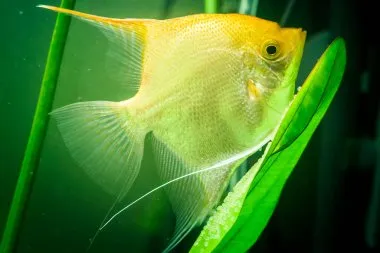
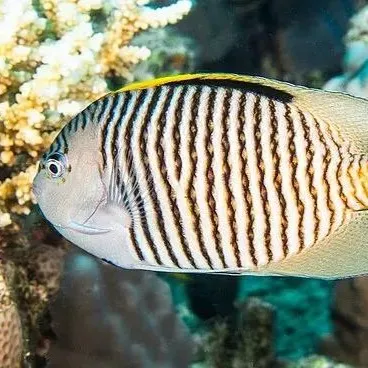
The Angelfish (Pterophyllum scalare) are one of the most stunning and unique aquarium fish of the hobby. With their long, pointed fins and flowing motion, they add a grace of elegance to community aquaria. With marble, koi, and silver kinds of angelfish, they are valued for their appearance and intelligence.
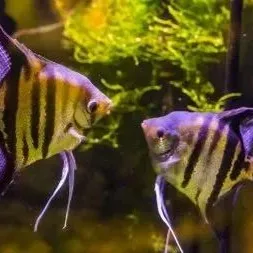
Although generally peaceful in disposition, Angelfish do become territorial when breeding, so they will thrive in medium to large tanks. They are social as well and should be kept in a small group rather than alone.
Origin of the Angelfish
Angelfish inhabit the South American Amazon River Basin, i.e., slow-moving plant-filled waters of Brazil, Peru, and Colombia. Wild angelfish reside on roots and dense plants in which their flattened body can swim through plants and wreckage with elegance.
Temperament of the Angelfish
Angelfish are usually tranquil but are semi-aggressive while spawning or protecting territories. Angelfish are very intelligent and inquisitive and will know their owners. They can be kept within community tanks with each other provided they are given loads of space and places to hide.
Angelfish Compatibility with Other Fish
Angelfish coexist peacefully with non-aggressive, similarly-sized fish. Suitable tank mates are:
- Corydoras catfish
- Dwarf gouramis
- Mollies and swordtails
- Large tetras like black skirt or rummy-nose tetras
Don't place fin-nipping fish like barbs or impossibly small fish like neon tetras (who may be eaten).
Angelfish Price Range
The Angelfish will cost between ₹300–₹1,000 ($5–12), depending upon variety and size. Fancy varieties like koi or platinum angelfish will cost even more.
Characteristics
Temperament
Aggressive
Friendly
Compatibility with other fishes
Not Friendly
Super Friendly
Habitat Size
Small
Large


Angelfish Habitat Requirements
Initial Setup Cost
₹5,000 - ₹10,000
Water Temperature
24º -28ºC
Water Type
Fresh Water
PH Level
6.5 - 7.5
Tank Setup
- Tank Type: Freshwater
- Minimum Tank Size: 30 gallons for a pair; 55 gallons or bigger for a group
- Substrate: Gravel or fine sand
- Decor: Hiding rocks, tall plants, and driftwood
- Lighting: Moderate with natural light simulation
Water Conditions
- Temperature: 24–29°C (75–84°F)
- pH Level: 6.5–7.5
- Water Hardness: 3–8 dGH
Environment Needs
Angelfish adore tall tanks where they swim vertically. Utilize plants such as Amazon swords or Anubias that mimic their own environment. Utilize soft water circulation and regular parameters to prevent stressing them.
Essential Equipment
Aquarium tank
Water filter
Heater
Light
Substrate
Decor
Nutritional Guide of the Angelfish
Avg Monthly Expenses
₹500 - ₹ 1,000
Angelfish are omnivores and have a wide variety of food to consume in order to remain healthy and colorful.
The best foods are:
- High-quality flakes or cichlid pellets
- Frozen foods or live foods such as brine shrimp, bloodworms, and daphnia
- Blanched vegetables such as spinach or zucchini.
Feeding Tips:
Feed twice daily and give them just enough food so that they will take two minutes to eat. Alternating between frozen and dry foods will provide a balanced diet.


Health & Care of the Angelfish
Common Health Issues
Fin rot
Fungus
White spot / ick
Signs of good health
Bright coloration
Active
Good apetite
Signs of sickness
Loss of appetite
Lethargic behaviour
Dull coloring
Common Problems of the Angelfish
Ich (White Spot Disease)
Parasitic disease in the form of small white spots on body or fins.
- Symptom: Fish rubbing, visible white spots
- Treatment: Gradually raise temperature to 28°C and administer antiparasitic treatment
Hole-in-the-Head Disease
Due to an inappropriate diet or contaminated water.
- Symptom: Small holes or sores on the head
- Treatment: Enhance quality of water, provide vitamin-enriched foods, and administer metronidazole-based treatment
Gill Flukes
Small flukes that infect the gills and result in breathing issues.
- Symptom: Wiggly gill action, surface gulping
- Treatment: Administer antiparasitic treatment and water change
Prerequisites for a Fish
Effort & commitment
Cleanliness
Enriching Environment
Written by
Happy Pet TeamAuthor
Team Happy Pet is a passionate collective of pet experts, enthusiasts, and advocates dedicated to sharing trusted and insightful content.
Our cont
Frequently Asked Questions
How large do Angelfish grow?
They reach 6 inches in length and 8 inches high, fins included.
Do Angelfish live alone?
Yes, but prefer to live in pairs or small groups due to social reasons.
How long do Angelfish live?
Normally 8–10 years well looked after.
Does Angelfish require a heater?
Yes, they enjoy a constant warm temperature of 24–29°C.
How can I tell Angelfish are spawning?
Clean surfaces are used by pairs for egg-laying and these will be fiercely guarded until hatch.