Home
/
Fish species
/
Balloon Molly
Balloon Molly
Origin
Central America
Habitat Size
50-150Liters
Water Type
Brackish
Water Temperature
24º-28ºC
Cost in India
₹80 - ₹150
Size
2 - 6 inches (Small)
Diet
Omnivore

by Happy Pet TeamUpdated on 2 Dec 2025
Introduction of the Balloon Molly
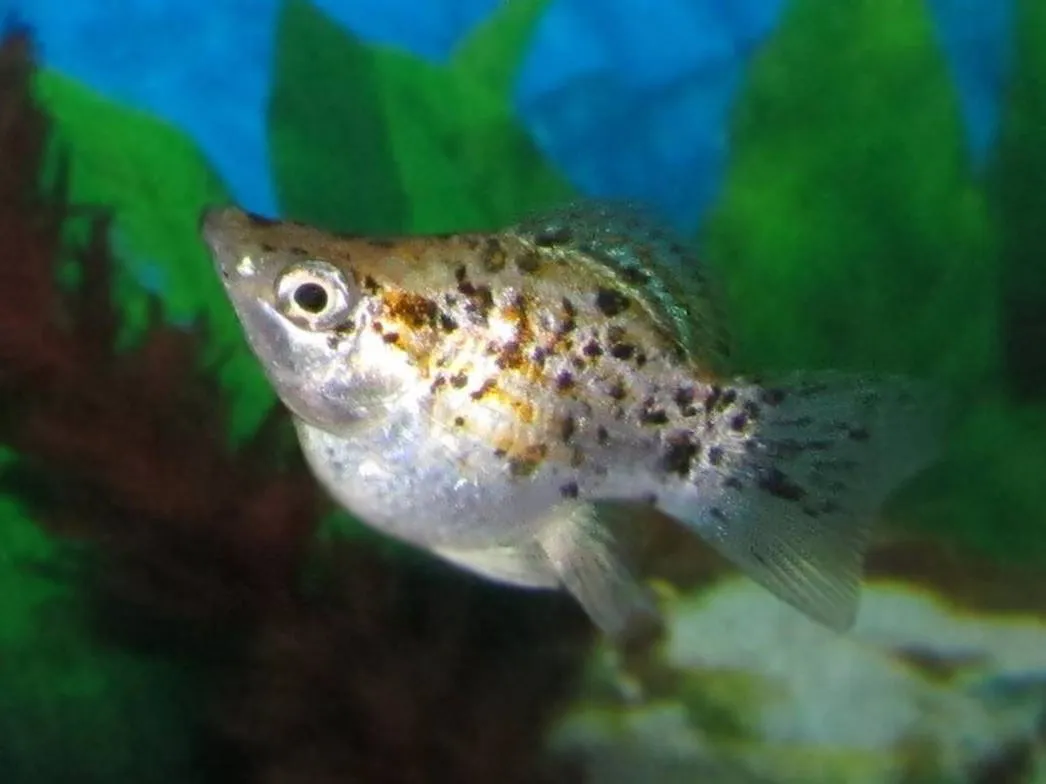
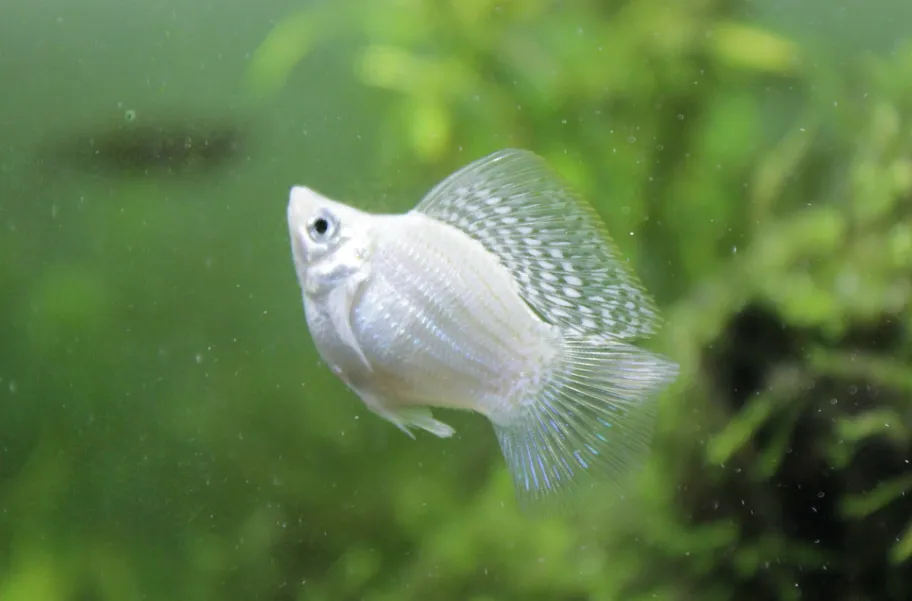
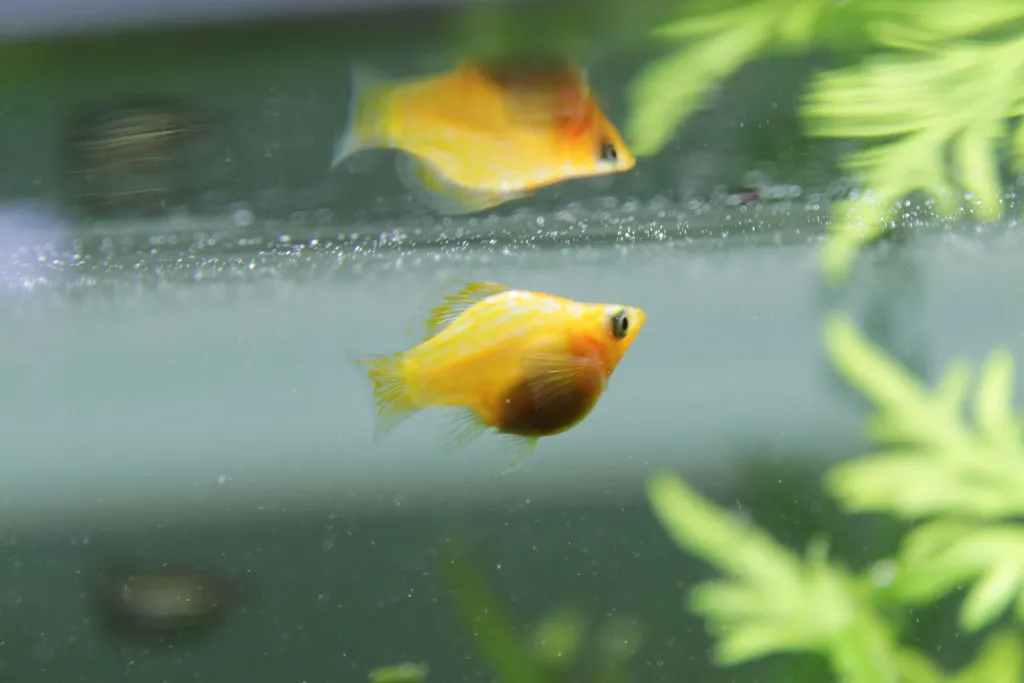
The Balloon Molly (Poecilia latipinna) is a fascinating and unusual freshwater aquarium fish that will be sure to turn heads with its egg-shaped body and active personality. It has been given a nickname because of its pot-bellied shape, and the Balloon Molly is a selectively bred variety of the Sailfin Molly.
Its rounded back gives it a balloon-like appearance, but the same applies to the breed and not a sign of illness. They are calm, solid, and energetic — thus, the reason they are a fan favorite among community tanks.
Origin of the Balloon Molly
Balloon Mollies are a tank-raised variety of the Sailfin Molly, native to the brackish seas along the Mexican coast and southern US. Their brackish-water relatives are found in fresh and brackish water environments such as lagoons, marshes, and river estuaries. Balloon Mollies tolerate varying levels of salinity and therefore are a robust aquarium fish.
Temperament of the Balloon Molly
Balloon Mollies are peaceful and nice, thriving in a school. They zip about rapidly and spend a good portion of the day zipping by plants and decorations. The males will occasionally harass the females, but a proportionate ratio of 1:2 male-to-female eliminates stress.
They are so laid-back that they're best kept in a community aquarium, especially among other calm groups of fish.
Balloon Molly Compatibility with Other Fish
Balloon Mollies can be kept peacefully with other peaceful, non-fin-nipping freshwater fish species like:
- Guppies
- Platies
- Swordtails
- Corydoras catfish
- Pearl gouramis
- Harlequin rasboras
Avoid keeping them in aquaria with fin-nipping or violent fish like barbs or large cichlids.
Price Range of the Balloon Molly
Balloon Mollies are inexpensive and easily found, and run in the range of ₹100–₹250 ($1–$3) each, depending on variety, coloration, and size. Specialty color varieties like golden or marble Balloon Mollies are a bit pricier.
Characteristics
Temperament
Aggressive
Friendly
Compatibility with other fishes
Not Friendly
Super Friendly
Habitat Size
Small
Large


Habitat Requirements of the Balloon Molly
Initial Setup Cost
₹4,000 - ₹12,000
Water Temperature
24º -28ºC
Water Type
Brackish
PH Level
7.5 - 8
Tank Set-up
- Minimum tank size: 20 gallons (for small schools)
- Substrate: Sand or soft gravel
- Decor: Grazing rocks and hiding places, and live plants
- Lighting: Medium to bright
Water Conditions
- Temperature: 24–28°C (75–82°F)
- pH: 7.0–8.5
- Hardness: 10–25 dGH
- Type: Freshwater or very slightly brackish
Environment Needs
Balloon Mollies need clean, well-oxygenated water with little filtration. Add live plants like Anubias, Vallisneria, or Java fern. A little aquarium salt will be health enhancing and introduce coloration, but is optional.
Essential Equipment
Aquarium tank
Water filter
Heater
Light
Substrate
Balloon Molly Dietary Guide
Avg Monthly Expenses
₹80 - ₹ 150
Balloon Mollies are omnivores and need a combination of plant foods and protein foods.
Good foods are:
- High-quality flakes or pellets specially formulated for mollies
- Blanched spinach, zucchini, or peas
- Algae wafers or spirulina foods
- Regular protein treats in the form of brine shrimp or bloodworms
Feeding Tips:
- Feed them twice a day, small amounts they can consume within 2 minutes. Release the leftovers to prevent water spoilage.


Balloon Molly Health & Care
Common Health Issues
Fin rot
White spot / ick
Fungus
Columnaris (cotton wool-like growth on the skin)
Ammonia poisoning
Swim bladder inflammation
Signs of good health
Active
Bright coloration
Good apetite
Signs of sickness
Loss of appetite
Lethargic behaviour
Dull coloring
Tattered fins
Swimming abnormally
Balloon Molly Common Problems
Swim Bladder Disease
Balloon Mollies are prone to buoyancy disorders due to the body shape.
- Symptoms: Can't swim in a straight line, floats side ways, or sinks.
- Treatment: Offer fiber-rich foods like blanched peas and reduce overfeeding. Offer fresh water.
Velvet Disease
Parasitic disease by Oodinium which forms a dusty gold coat.
- Symptoms: Golden sheen on body, clamped fins, scraping on surfaces.
- Treatment: Utilize the utilization of anti-parasitic copper-rich treatment and minimum lights in treatment.
Columnaris (Cotton Mouth Disease)
Bacterial infection due to poor water quality.
- Symptoms: White cotton-like growth on mouth or fins.
- Treatment: Treat with antibacterial medicine and enhance tank cleanliness.
Internal Worms
Caused by food parasites or unquarantined fish.
- Symptoms: Weight loss in spite of feeding, pale white poop.
- Treatment: Deworm with anti-parasitic food or medicine.
Prerequisites for a Fish
Adequate tank space
Cleanliness
Effort & commitment
Enriching Environment
Written by
Happy Pet TeamAuthor
Team Happy Pet is a passionate collective of pet experts, enthusiasts, and advocates dedicated to sharing trusted and insightful content.
Our cont
Frequently Asked Questions
What water conditions do Balloon Mollies prefer?
They thrive in slightly brackish water with a pH of 7.5-8.5 and temperatures between 24-28°C.
What do Balloon Mollies eat?
They are omnivores and eat a varied diet of plant matter and protein, including flakes, vegetables, and live or frozen foods.
How often to feed Balloon Molly?
Feed them small amounts two to three times a day, ensuring they consume the food within a few minutes.