Home
/
Fish species
/
Banded Archer Fish
Banded Archer Fish
Origin
South East Asia
Habitat Size
150 - 400 Liters
Water Type
Brackish
Water Temperature
24º-28ºC
Cost in India
₹200 - ₹300
Size
6 - 12 inches (Medium)
Diet
Carnivore

by Happy Pet TeamUpdated on 2 Dec 2025
Banded Archerfish Guide
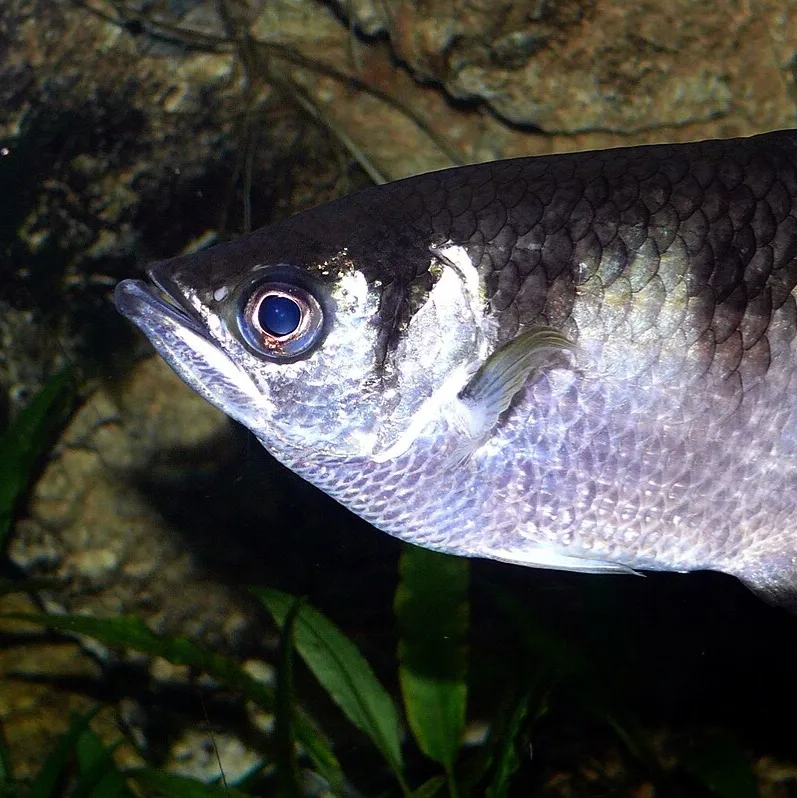
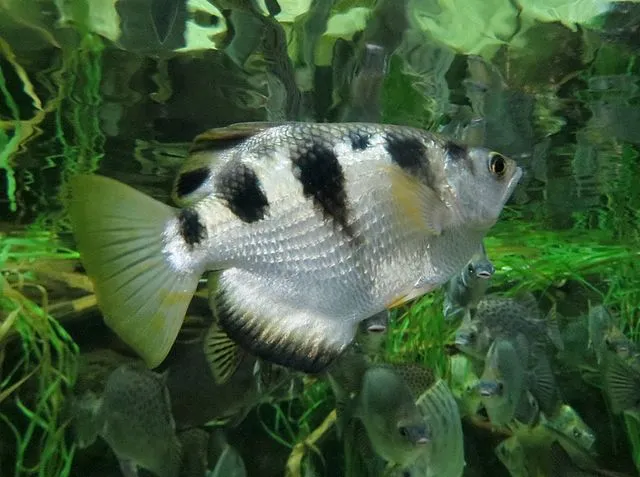
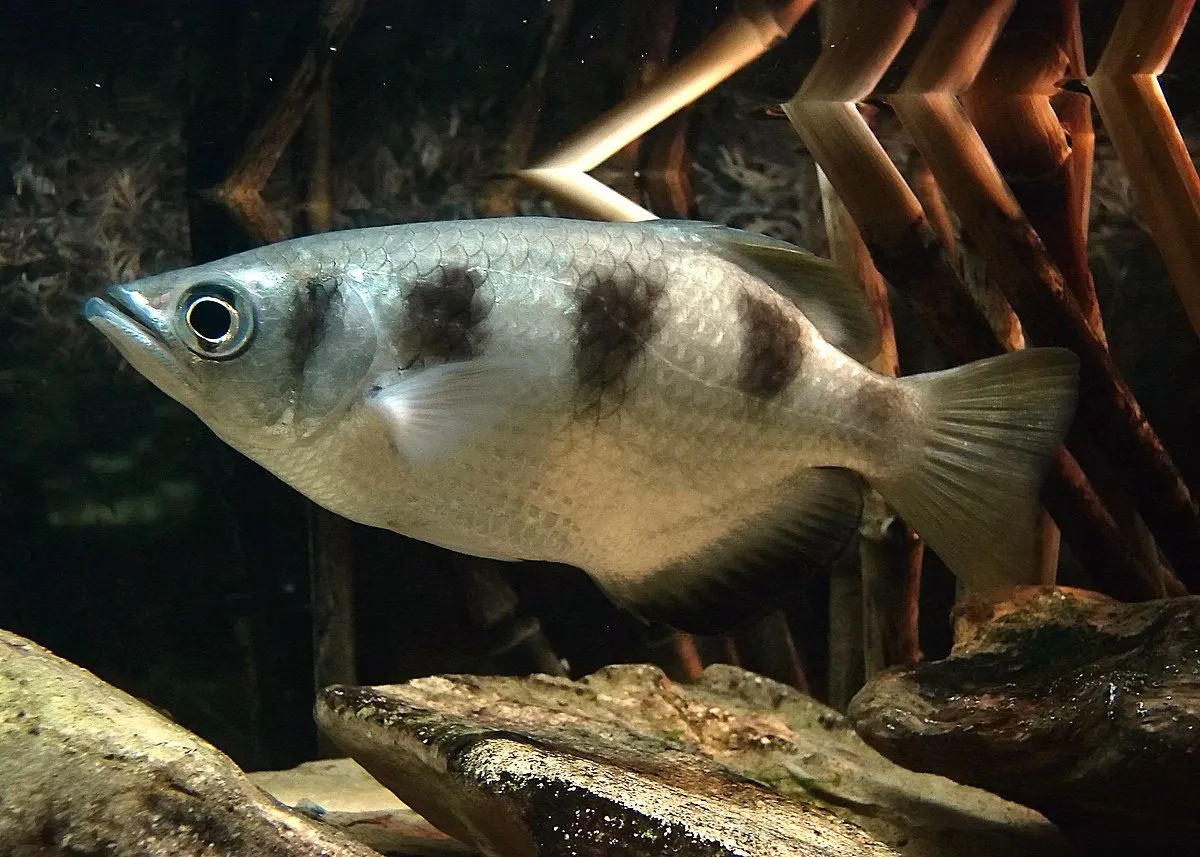
The Banded Archerfish (Toxotes jaculatrix) is a shiny, silvery fish with dark vertical bands across its sides. It is famous because it can spit jets of water to knock insects off leaves — like a tiny water shooter! This trick makes it very popular with hobbyists and in aquariums.
Banded Archerfish Origin
Native to coastal areas, river mouths, and mangroves of the Indo-Pacific region, for example:
- India
- Southeast Asia
- Northern Australia
Temperament
- Generally peaceful but active and alert
- Likes to hang out near the water surface and often swims in small groups
Banded Archerfish Compatibility
Good tankmates:
Gets along with other calm, medium-sized fish that live near the surface
- Peaceful silverfish
- Scats
- Monos
- Green chromides
- Some gouramis
- Larger tetras that won’t nip fins
Avoid:
Very small fish (they can be prey) or very aggressive cichlids that bully them.
Banded Archerfish Price in India
In India, young banded archerfish are typically priced around ₹800–₹2,500 each, depending on size and seller (Prices vary by city and availability)
Characteristics
Temperament
Aggressive
Friendly
Compatibility with other fishes
Not Friendly
Super Friendly
Habitat Size
Small
Large


Banded Archerfish Habitat Requirements
Initial Setup Cost
₹10,000 - ₹30,000
Water Temperature
24º -28ºC
Water Type
Brackish
PH Level
7 - 8
Tank type
- Brackish water is ideal (a mix of fresh and a little salt)
- They can tolerate freshwater for short periods but prefer brackish setups
Banded Archerfish Aquarium size
- Minimum recommended: 150 liters (≈45-55 US gallons) for a small group (3–5 fish)
- Bigger is better because they are active swimmers
Water conditions
- Temperature: 25–30°C (77–86°F)
- pH: Around 7.0–8.0 (near neutral to slightly alkaline)
- Hardness: 20-30 GH, Moderate; they do well in slightly hard water, typical of brackish aquaria
Banded Archerfish Environment needs
- Provide an open swimming space near the surface
- Add overhanging branches or floating plants — these let the fish hunt for insects (their natural behavior)
- Gentle filtration and low current; avoid very strong flows
Essential Equipment
Aquarium tank
Water filter
Heater
Light
Substrate
Banded Archerfish Nutritional Guide
Avg Monthly Expenses
₹200 - ₹ 300
Banded Archerfish Diet type
- Carnivore/insectivore by nature, but opportunistic — accepts many foods
Suitable foods
- Live or frozen insects:
- Crickets
- Small prawns
- Frozen bloodworms
- Mysis shrimp
- High-quality pellets and flakes designed for carnivores can be offered once they accept them.
Banded Archerfish Feeding frequency & tips
- Feed once or twice daily, small portions that they can finish in a few minutes
- Offer variety — alternate pellets with live/frozen treats to keep them healthy and interested
- Occasionally, train them by placing insects above the water surface so they practice their natural shooting behavior


Health
Common Health Issues
Fin rot
Pop eye (swollen eyes)
White spot / ick
Fungus
Bacterial infections
Parasitic infections
Signs of good health
Active
Bright coloration
Good apetite
Signs of sickness
Loss of appetite
Dull coloring
White growths
Swimming abnormally
Lethargic behaviour
Keeping your Banded Archerfish healthy starts with giving them clean water, the right amount of salt, and a balanced diet. When they live in stable, well-maintained tanks, they rarely fall sick — but like all fish, they can face a few health problems if their environment isn’t right, such as:
Ich (White Spot Disease)
Ich results from a small parasite that shows up like white spots on the fish. Affected fish rub against objects in reaction, breathe rapidly, and stop eating. The typical treatment involves raising the water temperature slightly, if other tank inhabitants tolerate it, involves providing a freshwater dip for brackish fish, and using the recommended medication. Ich can be prevented with stable water quality and quarantine.
Mouth or skin injuries from chasing prey
As archerfish spit and seize prey at the water surface, they may damage their mouth and scales if the water quality is low. Signs include ripped scales, a reddened area, or a refusal to eat. These conditions may be treated by maintaining water quality (via partial water changes), the addition of aquarium salt at minimal levels if maintained in a brackish water environment, and broad-spectrum antibiotics if infection is clinically obvious. A good diet and clean water speed healing.
Stress from wrong salinity or sudden water changes
Archerfish need steady brackish conditions. Sudden drops or spikes in salinity, pH, or temperature cause stress, which leads to poor appetite and sickness. Prevent this by adjusting salinity slowly (small changes over days), testing water often, and avoiding overcrowding. If stress signs appear, correct water parameters gradually and keep the environment calm.
Banded Archerfish General health tips
- Quarantine new fish for two weeks before adding to the main tank
- Keep water clean with regular partial changes and gentle filtration
- Feed a varied diet and avoid overfeeding
- Provide places at the surface to hunt or hide, and keep stable brackish conditions
Prerequisites for a Fish
Adequate tank space
Cleanliness
Effort & commitment
Enriching Environment
Written by
Happy Pet TeamAuthor
Team Happy Pet is a passionate collective of pet experts, enthusiasts, and advocates dedicated to sharing trusted and insightful content.
Our cont
Frequently Asked Questions
Can Banded Archerfish live in freshwater only?
They can tolerate freshwater short-term, but they are happiest and healthiest in brackish water.
How far can they shoot water?
Large banded archerfish may hit prey 2–3 meters in the wild, though in tanks they shoot much shorter distances.
Do they eat other fish?
They prefer insects and small crustaceans; avoid keeping them with very small fish that might be seen as food.
Can I keep a single Banded Archerfish?
It’s better to keep a small group (3–5) so they feel secure and behave naturally. A single fish may become stressed.
Are they good for beginners?
They are not the easiest beginner fish because they need brackish water, space, and stable conditions — but a careful hobbyist can keep them successfully.