Home
/
Fish species
/
Bicolor Angelfish
Bicolor Angelfish
Origin
Fiji Islands
Indonesia
Philippines
Indo-Pacific
Habitat Size
50-150 Liters
Water Type
Salt Water
Water Temperature
24º-28ºC
Cost in India
₹80 - ₹150
Size
5 - 6 inches (Small)
Diet
Omnivore
Introduction to Bicolor Angelfish (Centropyge bicolor)
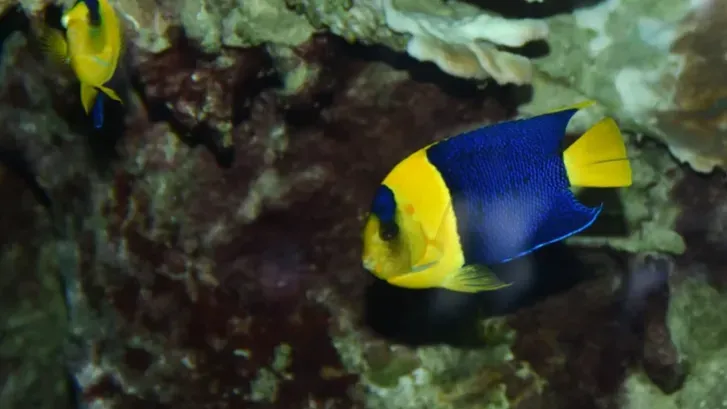
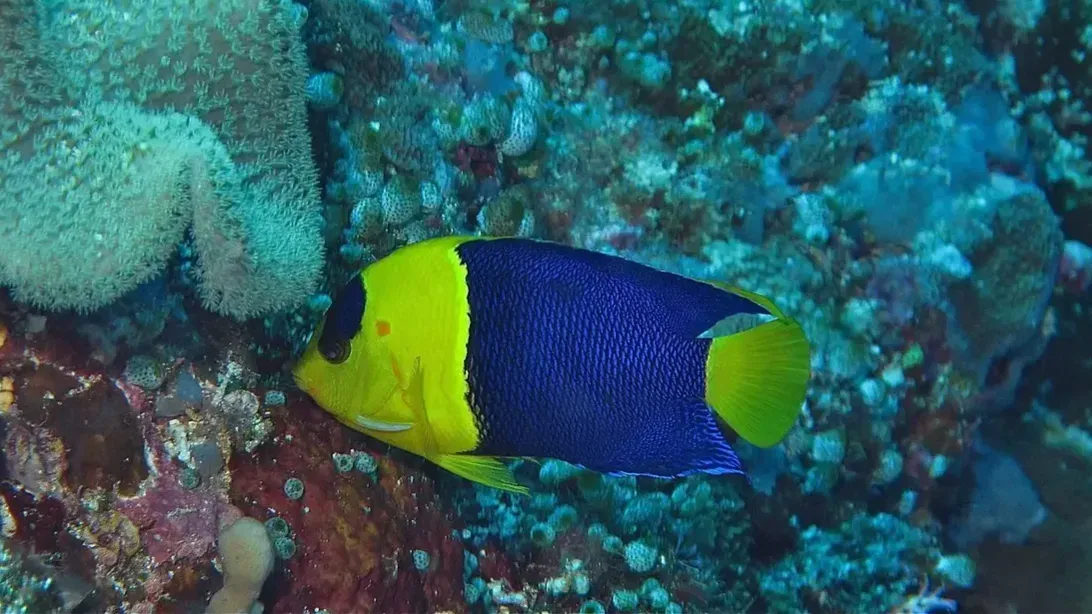
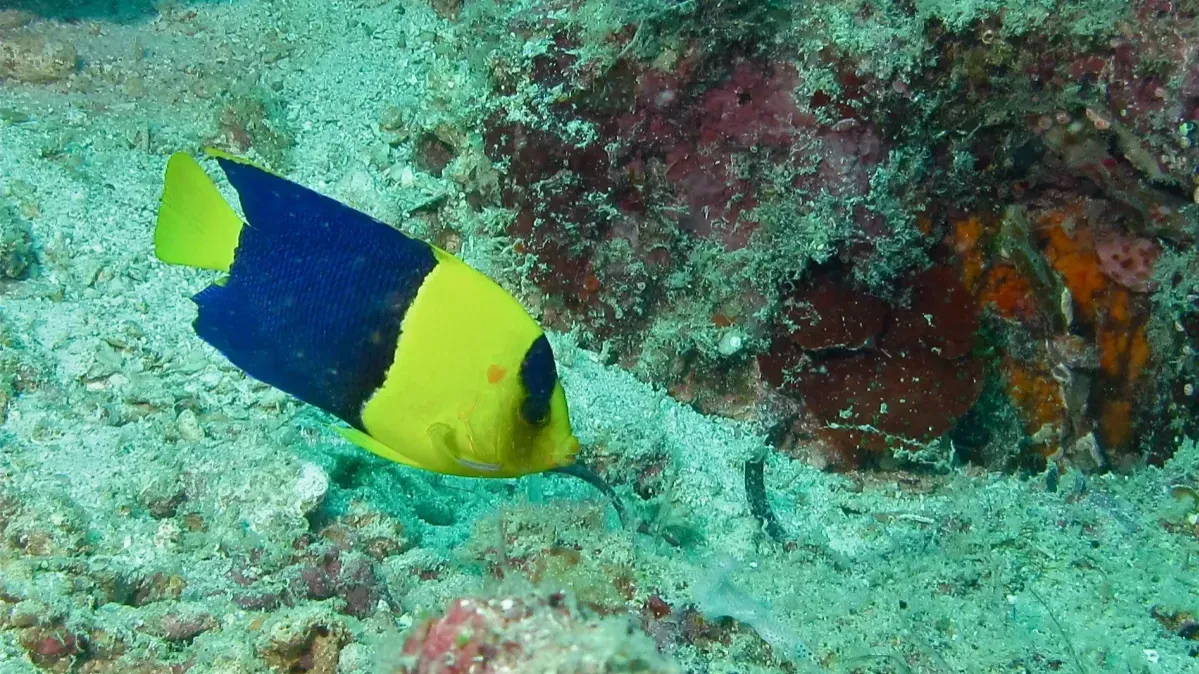
The Bicolor Angelfish is also commonly known as Oriole Dwarf Angel, two-colored angelfish, and Pacific Rock Beauty. It is a striking marine fish native to the Indo-Pacific region. The fish has vibrant yellow and deep blue coloration and adds a splash of color to any saltwater aquarium. It is easy to care for and requires dedicated conditions to thrive.
Size of Oriole Dwarf Angel
Bicolor Angelfish size grows up to 6 inches (15 cm) in length. It can grow even bigger in length if good care is taken.
Bicolor Angelfish Lifespan
The lifespan of the angelfish is 5 to 13 years, while in captivity, they average around 5 to 10 years.
Bicolor Angelfish Price
Bicolor Angelfish are available in India, with prices ranging from ₹900 to ₹3,499, depending on size and source
Bicolor Angelfish Tank Mates
- Peaceful species like clownfish, gobies, and wrasses.
- Other dwarf angelfish, provided they are introduced simultaneously to reduce territorial disputes.
Avoid Pairing with
- Aggressive fish such as larger angelfish or predatory species.
- Fin-nipping species that may cause stress.
Characteristics
Temperament
Aggressive
Friendly
Compatibility with other fishes
Not Friendly
Super Friendly
Habitat Size
Small
Large


Oriole Angelfish Habitat
Initial Setup Cost
₹4,000 - ₹12,000
Water Temperature
24º -28ºC
Water Type
Salt Water
PH Level
8.1 - 8.4
To replicate the natural coral reef habitat of the Bicolor Angelfish, it’s essential to maintain stable marine conditions and provide a rock-heavy aquascape.
Essential Equipment
Aquarium tank
Water filter
Heater
Light
Substrate
Decor
Bicolor Angelfish Diet
Avg Monthly Expenses
₹80 - ₹ 150
Bicolor Angelfish are omnivores, feeding on a mix of algae, plankton, and detritus in the wild. In captivity, offer a varied diet to ensure their health.


Health & Care Considerations of Bicolor Angelfish
Common Health Issues
Fin rot
White spot / ick
Velvet
Parasitic infections
Bacterial infections
Swim bladder disease
Signs of good health
Active
Bright coloration
Good apetite
Signs of sickness
Loss of appetite
Lethargic behaviour
Dull coloring
White growths
Swimming abnormally
- Water Parameters: Maintain salinity between 1.020–1.025, temperature at 72–78°F (22–26°C), pH 8.1–8.4, and dKH 8–12.
- Common Diseases: Prone to marine ich, marine velvet, and bacterial infections. Regular water changes and maintaining water quality can help prevent these issues.
- Acclimation: They can be challenging to acclimate; gradual introduction and monitoring are essential.
Prerequisites for a Fish
Adequate tank space
Cleanliness
Effort & commitment
Enriching Environment
Frequently Asked Questions
How aggressive are Bicolor Angelfish?
Bicolor Angelfish are moderately aggressive. They may show territorial behavior, so it's important to select tank mates that can tolerate their temperament and avoid aggressive species.
Can Bicolor Angelfish live with other species?
Yes, but they should be housed with tank mates that are compatible and can tolerate their moderately aggressive nature. Avoid keeping them with overly aggressive or fin-nipping species.
How can I prevent diseases in my Bicolor Angelfish?
To prevent diseases, maintain high water quality, provide a balanced diet, and quarantine new fish before introducing them to the main tank. Regular monitoring and prompt treatment of any symptoms are also important.