Home
/
Fish species
/
Black Phantom Tetra
Black Phantom Tetra
Origin
South America
Habitat Size
20-50 Liters
Water Type
Fresh Water
Water Temperature
22º-28ºC
Cost in India
₹50 - ₹100
Size
1 - 2 inches (Nano)
Diet
Omnivore

by Happy Pet TeamUpdated on 2 Dec 2025
Introduction of the Black Phantom Tetra
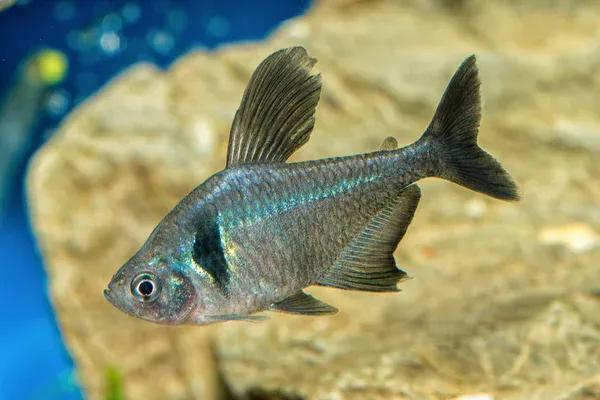
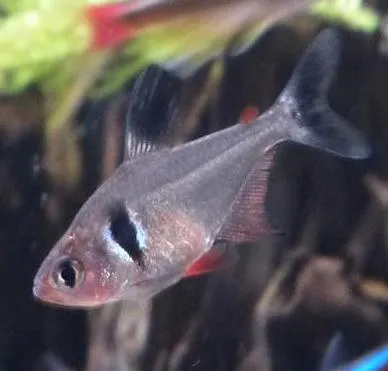
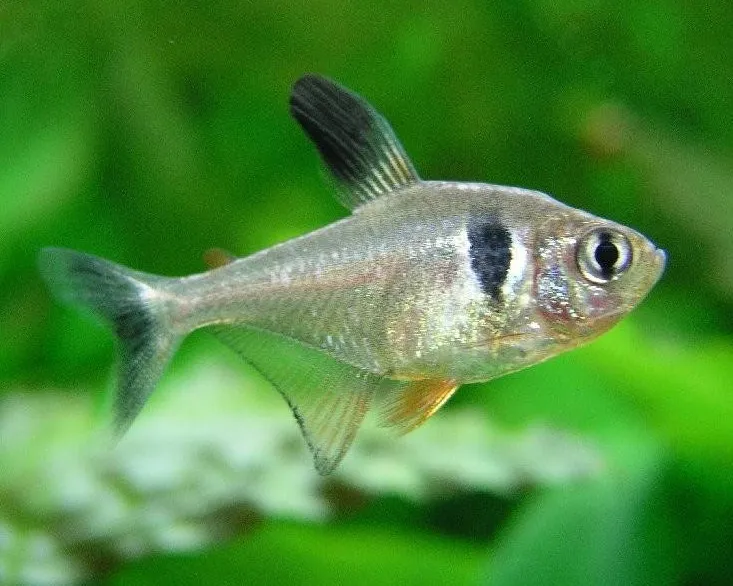
The Black Phantom Tetra (Hyphessobrycon megalopterus) is a peaceful, freshwater tetra prized for years for its dramatic appearance and delicate dancelike swimming. With a silvery body and black spot behind the gills, and smoky black fins, it produces an elegant but fascinating contrast. The males are darker-finned and have slightly more elevated dorsal fins compared to the females, which are fuller and lighter-finned.
This fish is highly appreciated in community tanks for being peaceful, small, and schooling. Black Phantom Tetras are robust, easy-going, and perfect for beginner and intermediate aquarists with harmonious tankmates.
Origin of the Black Phantom Tetra
Black Phantom Tetras occur naturally in South America, more precisely Paraguay and Brazil. They inhabit slowly flowing rivers, streams, and floodplains of dense cover and weakly acidic soft water. These provide them with cover as well as foraging grounds. They school naturally, which has a tendency to keep them out of reach of predators. They are now readily available for aquariums through captive breeding.
Temperament of the Black Phantom Tetra
Black Phantom Tetras are non-aggressive, peaceful, and extremely social. They thrive with six or more of them, which encourages natural swimming and reduces stress. While the males will on occasion display some minor mild fin-flaring or chasing during social interactions or when courting, these are not negative. As peaceful and high-energy fish, they are perfect for community aquariums.
Black Phantom Tetra Compatibility with Other Fish
Black Phantom Tetras can be housed with other small peaceful species. Some good tankmates include:
Neon tetras, Ember tetras, and Rummy-nose tetras
- Corydoras catfish
- Small livebearers such as guppies or platies
- Peaceful rasboras
Don't keep large or bullying species such as cichlids, bettas, or barbs, who will bully or harm them. Black Phantom Tetras must be kept in a group of six or more to ensure their safety and to induce natural schooling behavior.
Price Range for the Black Phantom Tetra
Black Phantom Tetras are reasonably priced and easily found. Prices typically fall within the range of ₹100 to ₹300 (US $1.50–4) per fish. Being schooling fish, aquarists will purchase a few to be able to instill proper behavior and appearance.
Characteristics
Temperament
Aggressive
Friendly
Compatibility with other fishes
Not Friendly
Super Friendly
Habitat Size
Small
Large


Habitat Needs of the Black Phantom Tetra
Initial Setup Cost
₹3,000 - ₹6,000
Water Temperature
22º -28ºC
Water Type
Fresh Water
PH Level
6 - 7.5
Tank Arrangement
- Minimum tank size: 20 gallons for a small group
- Suggested: 30–40 gallons for large groups and planted community tanks
- Characteristics: heavily planted areas, open swimming space, and soft filtration
Water Conditions
- Temperature: 22–28°C (72–82°F)
- pH level: 6.0–7.5
- Hardness: 2–12 dH
Environment Requirements
- Substrate: sand or fine gravel
- Plants: floating plants, Anubias, and Java fern for grazing and hiding
- Decorations: rocks and driftwood for natural attractiveness and cover
- Lighting: moderate, to highlight color without stressing fish
Essential Equipment
Aquarium tank
Water filter
Heater
Light
Substrate
Nutritional Guide of the Black Phantom Tetra
Avg Monthly Expenses
₹50 - ₹ 100
Black Phantom Tetras are omnivores and require a balanced diet. Suggested foods are:
- Staple: high quality flake or micro pellet food
- Protein: live or frozen foods such as daphnia, bloodworms, and brine shrimp
- Vegetables: chopped spirulina flakes or diced up zucchini and spinach
Feeding guide:
- Feed 1–2 times a day in small quantities
- Change food for improved coloration and general well-being strong
- Food to be taken away if not consumed for water hygiene


Health & Care of the Black Phantom Tetra
Common Health Issues
Fin rot
White spot / ick
Velvet disease (yellowish-brown spots on the skin)
Bacterial infections
Parasitic infections
Swim bladder disease
Signs of good health
Active
Bright coloration
Good apetite
Signs of sickness
Loss of appetite
Lethargic behaviour
Dull coloring
Tattered fins
Swimming abnormally
Common Problems of the Black Phantom Tetra
Swim Bladder Disorder
Affects buoyancy, making fish swim oddly or struggle to stay upright.
- Symptom: Difficulty swimming, floating on one side, sinking.
- Cure: Fast the fish for 24 hours, then feed blanched peas; maintain clean water.
Velvet Disease
Caused by parasites, giving the fish a gold or dusty sheen.
- Symptom: Golden or rust-colored coating, clamped fins, lethargy.
- Cure: Raise water temperature slightly and use copper-based treatment.
Fungal Infections
Often develop from injuries or dirty water.
- Symptom: Cotton-like patches on fins or body.
- Cure: Isolate the fish and treat with antifungal medication.
Prerequisites for a Fish
Adequate tank space
Cleanliness
Effort & commitment
Enriching Environment
Written by
Happy Pet TeamAuthor
Team Happy Pet is a passionate collective of pet experts, enthusiasts, and advocates dedicated to sharing trusted and insightful content.
Our cont
Frequently Asked Questions
What do Black Phantom Tetras eat?
They are omnivores and eat high-quality flake foods, live or frozen foods like brine shrimp and daphnia, and vegetable matter.
What water conditions do Black Phantom Tetras need?
They thrive in freshwater with temperatures between 22-28°C and a pH level of 6.0-7.5.
What are common health issues for Black Phantom Tetras?
Common health issues include fin rot, ich, velvet disease, bacterial infections, parasitic infections, and swim bladder disease.