Home
/
Fish species
/
Blue Tang
Blue Tang
Origin
Japan
Habitat Size
150-400 Liters
Water Type
Salt Water
Water Temperature
24º-28ºC
Cost in India
₹200 - ₹300
Size
6 - 18 inches (Medium)
Diet
Herbivore

by Happy Pet TeamUpdated on 2 Dec 2025
Introduction of the Blue Tang
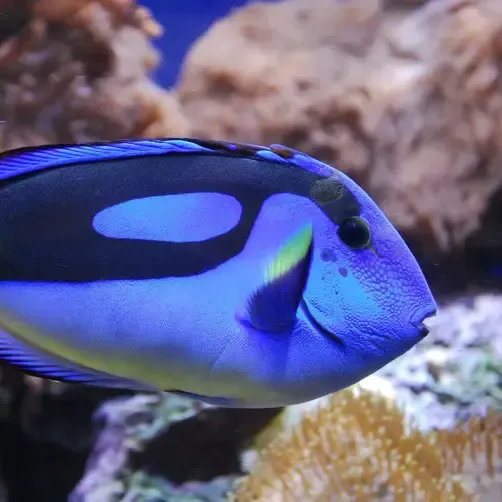
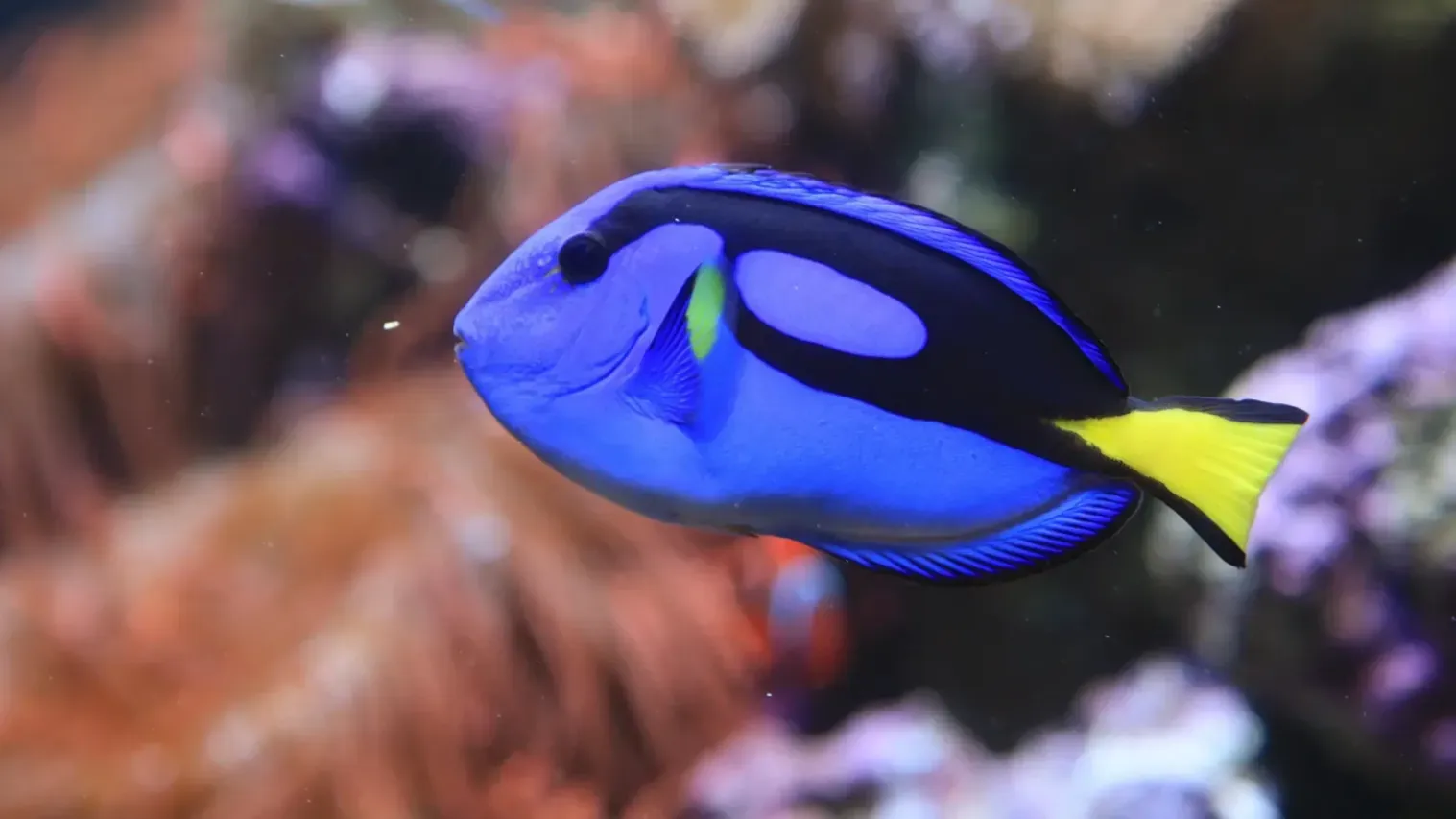
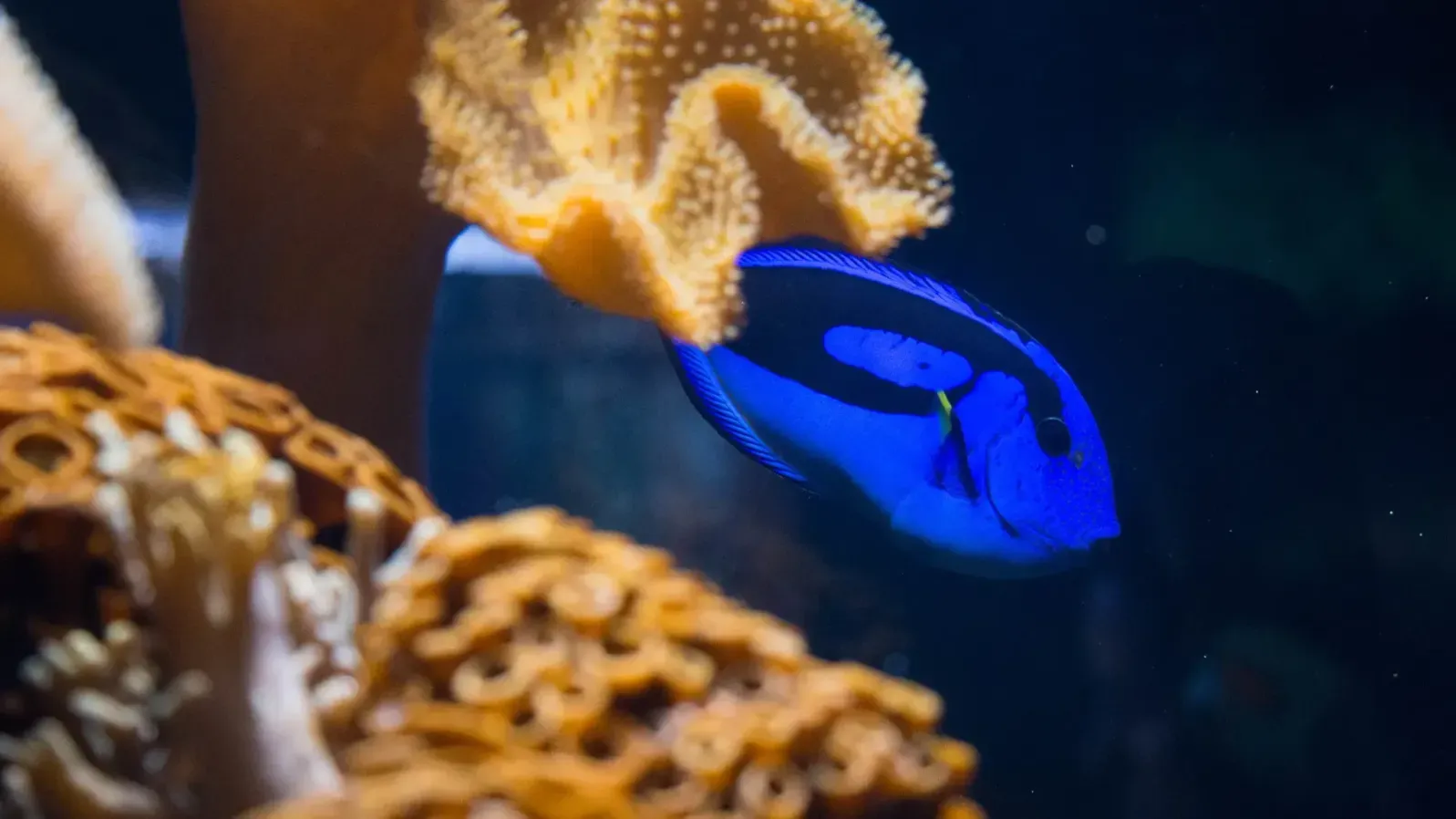
Blue Tang (Paracanthurus hepatus) is a stunning aquarium fish well known for its glorious blue body and yellow tail. With a stout body and tiny face, it is the ultimate centerpiece for any marine fish aquarium. Males and females are alike, but they darken a bit more with maturity.
Blue Tangs are active, inquisitive, and social. They are maintained in large reef aquariums and community tanks for their color and grace swimmers. Though hardy, they require exact attention to water conditions, diet, and tank size.
Origin of the Blue Tang
Blue Tangs inhabit the Indo-Pacific Ocean, ranging from the Great Barrier Reef, Japan, and Indonesia. In the wild, they live in coral-nrich lagoons and reefs, but they predominantly swim in a school to protect themselves. Algae is their main diet and helps in keeping the reef healthy by controlling algae overgrowth.
Temperament of the Blue Tang
Blue Tangs are generally peaceful but may be fin-nipping territorial when under stress or in small confines. They are active and thrive if kept in groups or with other non-issue fish. Stresses and diseases, however, can be caused by fin-nipping tankmates or overstocking.
Blue Tang Compatibility with Other Fish
Blue Tangs are compatible with:
- Clownfish, gobies, and wrasses
- Large peaceful marine life like tangs and angelfish
- Reef-safe invertebrates
Avoid:
- Aggressive tank mates or extremely territorial tank mates
- Small, slow-moving species that can get molested
Blue Tang Price Range
Blue Tangs command a mid-range of price for their popularity and maintenance requirements. They range from ₹6,000 to ₹15,000 ($75–$200) depending on age, size, and captive-bred or wild-caught conditions. Juveniles are less expensive but require special diet and water quality management.
Characteristics
Temperament
Aggressive
Friendly
Compatibility with other fishes
Not Friendly
Super Friendly
Habitat Size
Small
Large


Habitat Requirements of the Blue Tang
Initial Setup Cost
₹10,000 - ₹30,000
Water Temperature
24º -28ºC
Water Type
Salt Water
PH Level
8 - 8.4
Tank Setup
- Minimum: 100 gallons for a single adult
- Recommended: 150–200 gallons for multiple tangs or community tanks
- Features: lots of swimming space, live rock, and hiding refuge zones
Water Conditions
- Temperature: 24–28°C (75–82°F)
- pH level: 8.1–8.4
- Salinity: 1.020–1.025 specific gravity
- Hardness: 8–12 dKH
Environment Needs
- Substrate: crushed coral or sand
- Decorations: live coral and rock for grazing and retreat
- Lighting: reef lighting of normal strength to encourage coloration
Essential Equipment
Aquarium tank
Water filter
Heater
Light
Substrate
Blue Tang Nutritional Guide
Avg Monthly Expenses
₹200 - ₹ 300
Blue Tangs are herbivores with secondary omnivorous tendencies. They thrive on a diet of:
- Staple: Algae flakes or pellets
- Protein: Mysis shrimp, brine shrimp as an occasional treat
- Vegetables: Nori sheets, blanched zucchini or spinach
Feeding Tips:
- Feed 2–3 times daily in small quantities
- Cycle diet for maximum health and color
- Remove uneaten food to keep water clean


Health & Care of the Blue Tang
Common Health Issues
Fin rot
White spot / ick
Velvet disease (yellowish-brown spots on the skin)
Bacterial infections
Parasitic infections
Hole in the head disease
Signs of good health
Active
Bright coloration
Good apetite
Signs of sickness
Loss of appetite
Lethargic behaviour
Dull coloring
Swimming abnormally
Increased breathing rate
Common Issues of the Blue Tang
Marine Ich (Cryptocaryon)
Parasitic disease which appears as white spots on the body and fins.
- Symptom: White spots, scratching, loss of appetite
- Cure: Marine-safe anti-parasitic medication and stable water conditions
Fin Damage or Bacterial Infections
Caused by poor water quality or awful tank mates.
- Symptom: Clamped or damaged fins
- Cure: Fix water conditions and administer antibacterial medication
Stress caused by Poor Environment
Stress causes color loss or illness.
- Symptom: Lost blue color, lethargy, hiding
- Cure: Offer hiding spots, live rock, and don't overcrowd
Prerequisites for a Fish
Adequate tank space
Cleanliness
Effort & commitment
Enriching Environment
Written by
Happy Pet TeamAuthor
Team Happy Pet is a passionate collective of pet experts, enthusiasts, and advocates dedicated to sharing trusted and insightful content.
Our cont
Frequently Asked Questions
Can Blue Tangs live with other fish?
Yes, Blue Tangs are generally peaceful and can coexist with other non-aggressive marine species.
What water conditions do Blue Tangs need?
Blue Tangs thrive in saltwater with temperatures between 24-28°C and a pH level of 8.0-8.4.
How long do Blue Tangs live?
With proper care, Blue Tangs can live between 8 to 20 years.