Home
/
Fish species
/
Brook Trout
Brook Trout
Origin
Canada
United States
Habitat Size
150-400 Liters
Water Type
Fresh Water
Water Temperature
10º-20ºC
Cost in India
₹200 - ₹300
Size
9 - 15 inches (Medium)
Diet
Carnivore

by Happy Pet TeamUpdated on 2 Dec 2025
Brook Trout Fish Guide
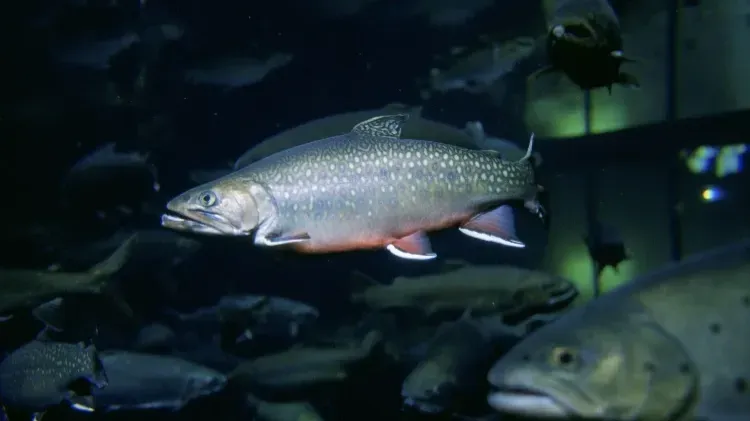
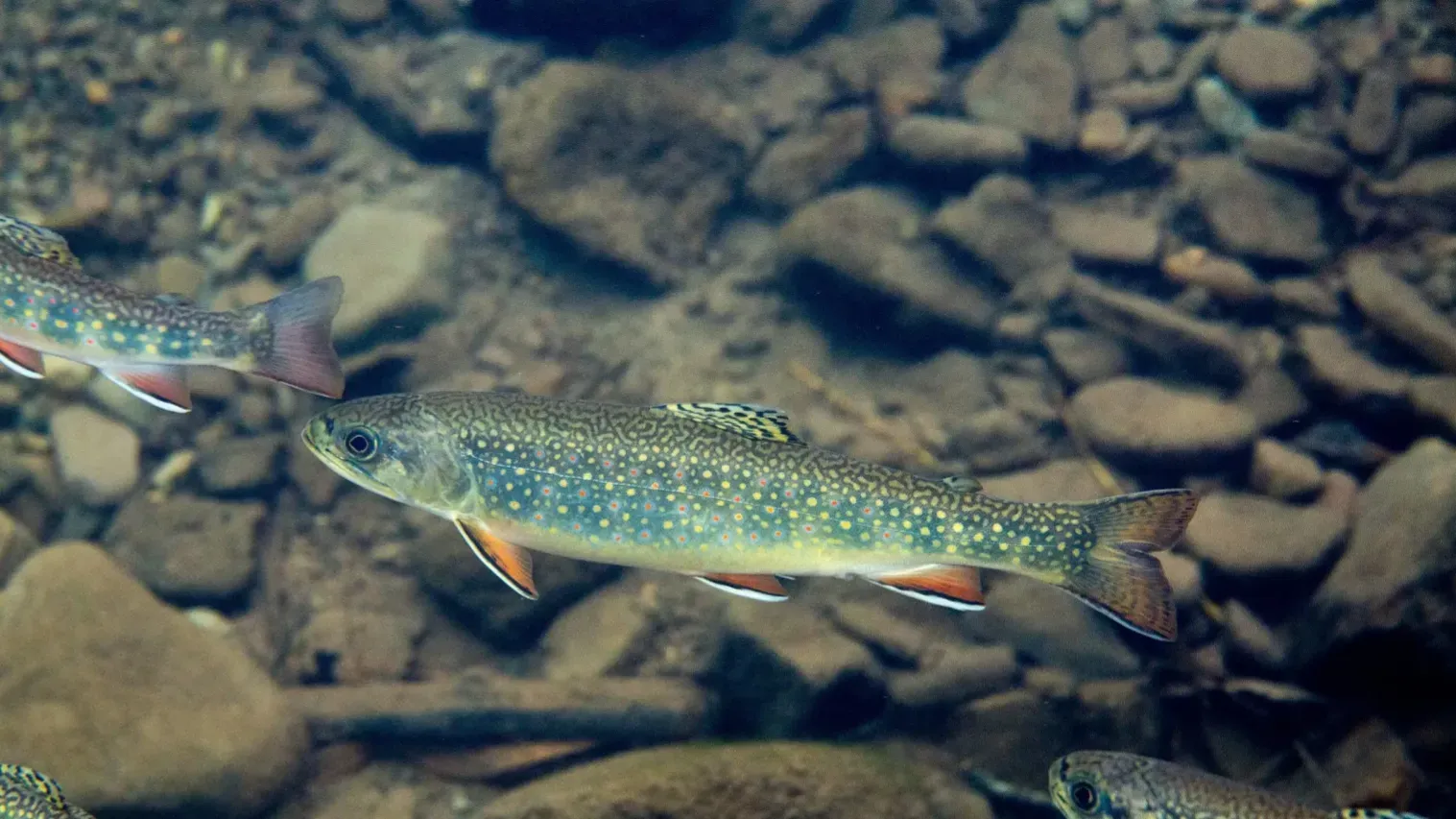
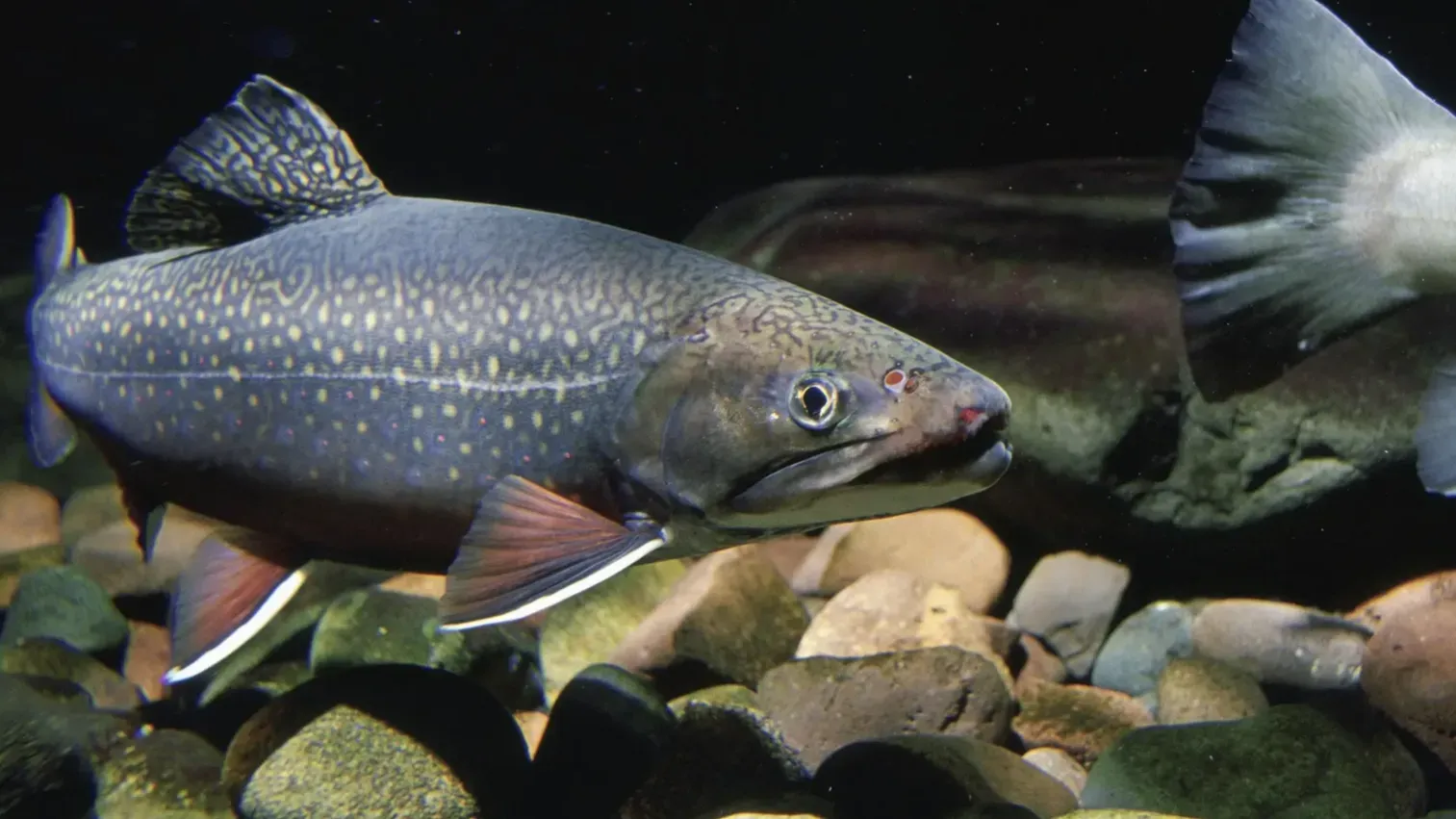
The Brook Trout (Salvelinus fontinalis) is a beautiful fish that lives in cold and clean water. It has green and brown colors on its body with bright yellow and red spots. Its fins have white edges, which make it look very pretty.
Brook trout are special because they can only live where the water is very pure. If you find them in a stream, that means the water there is healthy and clean.
Origin
- The brook trout comes from North America, especially from the United States and Canada.
- It lives in cold mountain streams and lakes.
- People have also taken it to other countries so that they can catch it for sport fishing.
- Today, brook trout are fewer in number in some places because the water is getting warmer and dirty.
Brook Trout Temperament
- Brook trout are quiet and calm fish
- They like to stay alone or in small groups
- They are not aggressive, but they might eat small insects or tiny fish if they find them
Compatibility
- Brook trout live well with other cold-water fish, like other kinds of trout and char
- They do not like warm-water fish such as goldfish or tropical species
- They need clean and cold water, so they don’t survive in polluted or hot tanks
Brook Trout Price Range in India
Brook trout are not common in Indian aquariums because they need very cold water. But if someone imports them or breeds them, the price can be:
- Small fish: ₹100 – ₹300 each
- Medium fish: ₹300 – ₹700 each
- Big fish: ₹700 – ₹1,500 or more
The price depends on size, health, and how rare they are in India.
Characteristics
Temperament
Aggressive
Friendly
Compatibility with other fishes
Not Friendly
Super Friendly
Habitat Size
Small
Large


Brook Trout Habitat Requirements
Initial Setup Cost
₹10,000 - ₹30,000
Water Temperature
10º -20ºC
Water Type
Fresh Water
PH Level
6.5 - 8
Tank Type
- Freshwater only
- Brook trout cannot live in salt or mixed water
Brook Trout Aquarium Size
- Needs a big tank — at least hundreds of liters, because they grow up to 15 inches (about 38 cm).
Water Conditions
- Temperature: 1 °C – 22 °C (they love cold water)
- pH level: 5 – 7.5
- Water hardness: Soft to moderate
Brook Trout Environment Needs
- Use rocks, gravel, and logs for hiding
- Add plants that can live in cold water
- Keep a strong water flow because they like moving streams
- Make sure the water is very clean and full of oxygen
Essential Equipment
Aquarium tank
Water filter
Heater
Light
Substrate
Brook Trout Nutritional Guide
Avg Monthly Expenses
₹200 - ₹ 300
Diet Type
- Brook trout are meat-eaters (carnivores)
Brook Trout Suitable Foods
- Small insects
- Worms and tiny crustaceans
- Live or frozen foods like:
- Bloodworms
- Daphnia
- Brine shrimp
- Sometimes, small fish fry
Feeding Tips
- Feed them 2–3 times a day in small amounts
- Don’t leave leftover food in the tank — it makes the water dirty
- Give them a mix of foods to keep them healthy


Brook Trout Health & Care
Common Health Issues
Fin rot
White spot / ick
Velvet disease (yellowish-brown spots on the skin)
Columnaris (cotton wool-like growth on the skin)
Bacterial infections
Parasitic infections
Signs of good health
Active
Bright coloration
Good apetite
Signs of sickness
Loss of appetite
Lethargic behaviour
Dull coloring
Tattered fins
White growths
Brook trout common health issues
Furunculosis
This is a bacterial disease from Aeromonas salmonicida. The skin of diseased fish shows red boils or sores. It can spread quickly inside crowded or warm tanks. Affected fish become lethargic. They spend more time down at the bottom of the tank and lose interest in eating. The fish die in severe cases.
You can prevent this problem if you keep water clean and cold. In fish farms, vaccines and antibiotics are used for control. At home, isolation of sick fish and regular tank cleaning help a lot.
Fin Rot
This disease happens when bacteria attack the fins, making them look torn or ragged. It usually appears because of bad water quality or stress. The fish may stay near the bottom and lose its bright colors.
Treat it by doing regular water changes, using mild antibacterial medicine, and feeding a healthy diet rich in protein. Keeping stress low is important — never tap the glass or overcrowd the tank.
Parasitic Infections
Parasites are small worms or organisms that infect the skin, gills, or other internal organs of a fish. Brook trout infected with parasites may rub against rocks or other objects, breathe quickly, and lose their color. Contaminated or dense water spreads it.
Quarantine, clean tanks, and prevent stagnant water movement. These actions prevent infection risk. These infections can be treated through mild salt baths with anti-parasitic medications.
In wild streams, parasites often increase when water becomes warmer or polluted. Scientists have found that climate change can make this worse by allowing parasites to grow faster.
Brook Trout General Health Tips
- Always keep water clean and cold
- Don’t keep too many fish in one tank
- Quarantine new fish before adding them to the tank
- Give good aeration (oxygen bubbles)
- Avoid sudden changes in water temperature or pH
Prerequisites for a Fish
Adequate tank space
Cleanliness
Effort & commitment
Enriching Environment
Written by
Happy Pet TeamAuthor
Team Happy Pet is a passionate collective of pet experts, enthusiasts, and advocates dedicated to sharing trusted and insightful content.
Our cont
Frequently Asked Questions
What do Brook Trout look like?
Brook Trout have a distinctive appearance with a dark green to brown color, a marbled pattern on their backs and dorsal fins, and a sprinkling of red spots surrounded by blue halos. Their belly and lower fins often have an orange hue, especially in males during the spawning season.
What do Brook Trout eat?
Brook Trout are opportunistic feeders and their diet consists of insects, small fish, crustaceans, and other aquatic invertebrates. They will also eat terrestrial insects that fall into the water.
What is the lifespan of a Brook Trout?
Brook Trout typically live for about 3-4 years in the wild, but some individuals can live up to 7 years.