Home
/
Fish species
/
Cascarudo
Cascarudo
Origin
South America
Habitat Size
150-400 liters
Water Type
Fresh Water
Water Temperature
22º-28ºC
Cost in India
₹200 - ₹300
Size
6 - 8 inches (Medium)
Diet
Omnivore
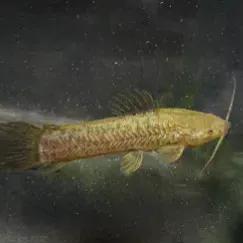
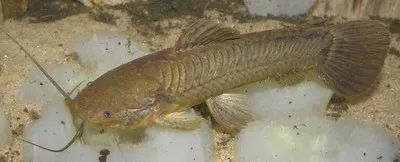
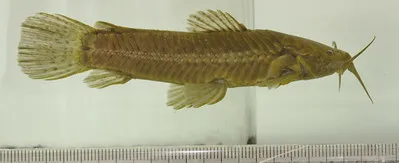

by Happy Pet TeamUpdated on 25 Nov 2025
Cascarudo Fish Facts & Care
The Cascarudo (Callichthys callichthys) is a special type of armoured catfish found in South America. It has a body covered with hard, bony plates that look like armour. This makes it stronger than many other small fish. They are peaceful, hardy, and popular in aquariums because they do not need very complicated care.
Cascarudo Origin
Cascarudo lives in many places across South America. It is found in:
- Trinidad and Tobago
- The Amazon Basin (Brazil, Peru, Ecuador, Colombia, Bolivia)
- Paraguay River and Paraná River systems
- North Argentina and Uruguay
It was first described in 1758 by the famous scientist Carl Linnaeus.
Temperament of Cascarudo Fishes
- Calm and peaceful
- Bottom-dwelling and active at night
- Not aggressive toward medium or large tankmates
Compatibility
Good tankmates include:
- Angelfish
- Medium-sized tetras
- Peaceful South American fish
Avoid keeping them with:
- Very small fry (babies can be eaten accidentally)
- Aggressive or fin-nipping cichlids
Cascarudo Price Range
- Small/young fish: ₹ 400 to ₹ 800
- Medium/adult size: ₹ 900 to ₹ 1,500 or more
Did you know? Cascarudo is sometimes called the “armoured catfish” because of its strong outer plates that protect it from predators.
Characteristics
Temperament
Aggressive
Friendly
Compatibility with other fishes
Not Friendly
Super Friendly
Habitat Size
Small
Large


Cascarudo Habitat Requirements
Initial Setup Cost
₹10,000 - ₹30,000
Water Temperature
22º -28ºC
Water Type
Fresh Water
PH Level
6 - 8
Cascarudo Tank Type
It is a freshwater fish.
Aquarium Size
- At least 75–100 litres (20–26 gallons) for one or a pair
- A bigger tank is better if you want to keep a group
- They need space at the bottom to swim and explore
Water Conditions
- Temperature: 21–27°C (68–82°F)
- pH level: 5.8–8.2 (slightly acidic to neutral)
- Water hardness: 0 to 30 dGH
Environment Needs
- Substrate: Soft sand or smooth gravel to protect their whiskers
- Hiding spots: Plants, driftwood, caves, and rocks
- Lighting: Low to moderate (they are most active at night)
- Water flow: Calm to gentle current
Did you know? Cascarudo lives even in muddy or oxygen-poor waters since it surfaces for breaths of air.
Essential Equipment
Aquarium tank
Water filter
Heater
Light
Substrate
Decor
Cascarudo Nutritional Guide
Avg Monthly Expenses
₹200 - ₹ 300
Cascarudo Diet Type
- It is an omnivore
- It gets sustenance from insects, worms, and small fish remains in nature
- It also eats plant pieces
Suitable Foods in Aquariums
- Wafers of algae or sinking pellets for catfish
- Bloodworms, brine shrimp, and tubifex worms are examples of live foods. Frozen versions exist for similar foods.
- Vegetables such as zucchini or peas are blanched.
- Occasional flakes that sink to the bottom
Cascarudo Feeding Frequency & Tips
- Feed daily once or twice for each one.
- Give solely as much of it as it is up that they can handle. They must go and finish it in about 2 or 3 minutes.
- A varied diet is key to good health
- Remove uneaten food to prevent dirty water
Did you know? As it does within rivers, Cascarudo spends most of its time searching the tank bottom for its food.


Cascarudo Health & Care
Common Health Issues
Fin rot
White spot / ick
Swim bladder inflammation
Bacterial infections
Fungus
Ammonia poisoning
Signs of good health
Active
Bright coloration
Good apetite
Signs of sickness
Loss of appetite
Lethargic behaviour
Swimming abnormally
Common Health Issues
It is hardy, but poor care can cause problems like:
- Stress from dirty water
- Fungal or bacterial infections
- Injuries from sharp rocks or rough decorations
- Obesity from overfeeding
Symptoms to Watch
Look out for these warning signs:
- Loss of appetite
- White patches, torn fins, or spots on the body
- Breathing heavily or swimming near the surface all the time
- Hiding too much or becoming very still
Treatment
- Weekly change water (20-30%) to keep it clean
- Quarantine sick fish before giving medicine
- Use standard aquarium treatments for common illnesses (follow instructions carefully)
Cascarudo General Health Tips
- Test water regularly for substances (ammonia, nitrite, nitrate, and pH)
- Avoid overcrowding the tank
- Provide hiding places to reduce stress
- Keep their diet balanced with both protein and plant foods
Prerequisites for a Fish
Adequate tank space
Cleanliness
Effort & commitment
Enriching Environment
Written by
Happy Pet TeamAuthor
Team Happy Pet is a passionate collective of pet experts, enthusiasts, and advocates dedicated to sharing trusted and insightful content.
Our cont
Frequently Asked Questions
What size tank is best for Cascarudo?
A tank of at least 100 liters is recommended for optimal growth and comfort.
Can Cascarudos be kept with other fish?
Yes, they are peaceful and can be kept with various community fish.
How often should I feed my Cascarudo?
Feed them small portions once or twice daily, adjusting based on their appetite.