Home
/
Fish species
/
Cherry Barb
Cherry Barb
Origin
Sri Lanka
Habitat Size
20-50 Liters
Water Type
Fresh Water
Water Temperature
23º-27ºC
Cost in India
₹50 - ₹100
Size
1 - 2 inches (Nano)
Diet
Omnivore

by Happy Pet TeamUpdated on 2 Dec 2025
Introduction to the Cherry Barb
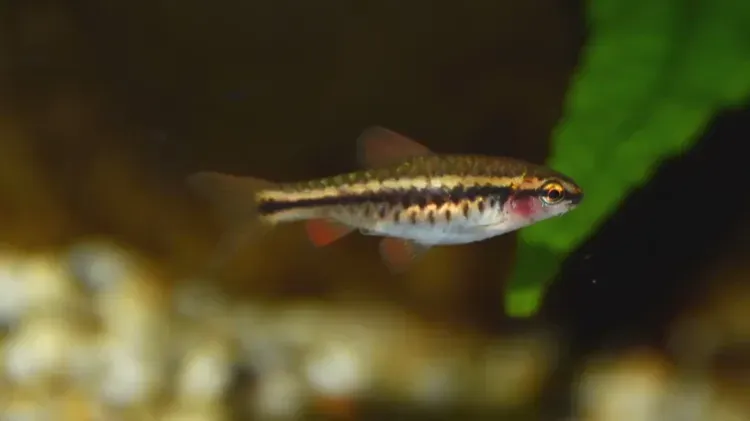
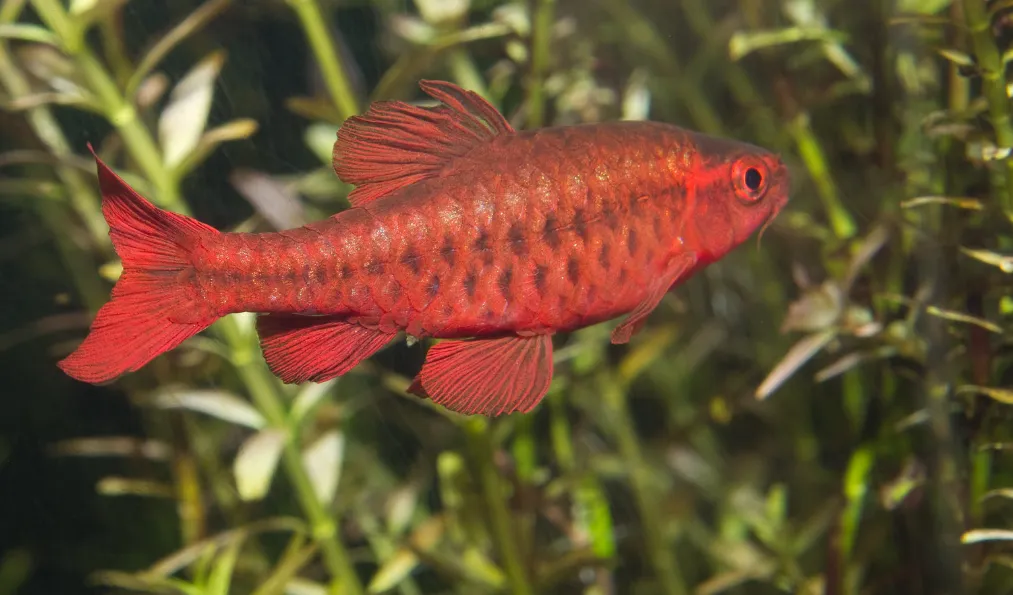
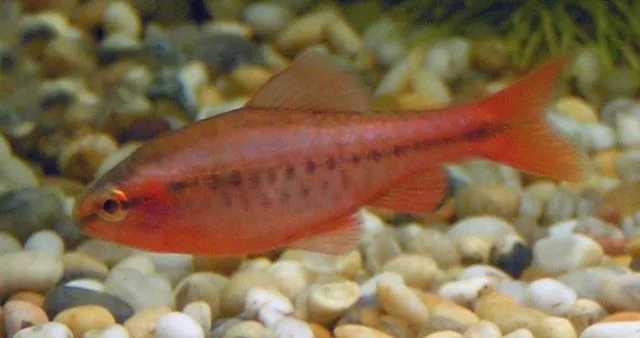
The Cherry Barb (Puntius titteya) is a tiny freshwater fish having a gorgeous reddish hue and calm nature. Males having better red bodies are seen during spawning, while the females still possess their light pink or silvery hue. They possess tiny torpedo-shaped bodies and prefer to swim at high speeds, so they are a dynamic community tank dweller.
Cherry Barbs are robust, low-maintenance, and perfect for beginner aquarists. They are schooling fish, so they prosper when placed in groups of a minimum of 6 that stimulate their natural habits and minimize stress.
Origin of the Cherry Barb
Cherry Barbs are native to Sri Lanka and inhabit slow currents, ponds, and marshes naturally in dense cover. They like best to inhabit shaded water with abundant cover. Small invertebrates, vegetable material, and algae form their natural foods. In the aquarium, their survival rate has made them one of the world's most popular species.
Temperament of the Cherry Barb
Active, peaceful, and social, Cherry Barbs are suitable for peaceful community tanks with other peaceful fish. They fare well in schools, which minimizes shyness and stimulates natural activity like hunting and exploration. Males will show gentle chasing during breeding but are not too aggressive.
Cherry Barb Compatibility with Other Fish
Cherry Barbs coexist peacefully with:
- Guppies, rasboras, and tetras
- Corydoras and small catfish
- Small peaceful livebearers
Avoid:
- Large predator or aggressive fish
- Fin-nippers or very territorial types
Price Range of the Cherry Barb
Cherry Barbs are cheap and easy to obtain. They are priced anywhere from ₹150–₹400 ($2–5) per unit depending on size, age, and color. Spawning adults can be more pricey because they are so heavily colored and capable of spawning.
Characteristics
Temperament
Aggressive
Friendly
Compatibility with other fishes
Not Friendly
Super Friendly
Habitat Size
Small
Large


Habitat Requirements of the Cherry Barb
Initial Setup Cost
₹3,000 - ₹6,000
Water Temperature
23º -27ºC
Water Type
Fresh Water
PH Level
6 - 8
Tank Setup
- Minimum tank capacity: 20 gallons for a small school
- Recommended: 30 gallons or more for an entire community tank
- Features: rocks, plants, and hiding places to replicate their natural habitat
Water Conditions
- Temperature: 23–28°C (73–82°F)
- pH level: 6.0–7.5
- Water hardness: 5–12 dGH
Environment Needs
- Substrate: fine gravel or sand
- Plants: dense plantings such as Java moss, Anubias, or Amazon swords
- Decorations: rocks, driftwood, and leaf litter provide grazing and hiding space
- Lighting: moderate; they favor shaded spots
Essential Equipment
Aquarium tank
Water filter
Heater
Light
Substrate
Nutritional Guide of the Cherry Barb
Avg Monthly Expenses
₹50 - ₹ 100
Cherry Barbs are omnivores and survive on a varied diet:
- Staple: Good-quality flakes or pellets
- Protein: Bloodworms, daphnia, or brine shrimp
- Vegetables: Blanched zucchini or spinach
Feeding Tips:
- Feed in small quantities 2–3 times a day
- Adjust diet for colour and health
- Siphon off uneaten food to avoid water quality problems


Health and Care of the Cherry Barb
Common Health Issues
Fin rot
White spot / ick
Fungus
Swim bladder inflammation
Bacterial infections
Parasitic infections
Signs of good health
Active
Bright coloration
Good apetite
Signs of sickness
Loss of appetite
Lethargic behaviour
Dull coloring
Tattered fins
Swimming abnormally
Cherry Barb Common Problems
Ich (White Spot Disease)
Parasitic disease that manifests itself in the form of tiny white spots on the body and fins.
- Symptom: White spots, loss of appetite
- Cure: Treat with anti-parasitic medication and keep water parameters stable
Fin Rot
Bacterial disease resulting from poor quality water or trauma.
- Symptom: Torn, frayed, or clamped fins
- Cure: Improved quality water and antibacterial medication
Environmental Stress or Overcrowding
Immunity will remain low and cause disease.
- Symptom: Sluggishness, hiding, pale color
- Cure: Stable water conditions, balanced stocking, plants, and refuges
Prerequisites for a Fish
Adequate tank space
Cleanliness
Effort & commitment
Enriching Environment
Written by
Happy Pet TeamAuthor
Team Happy Pet is a passionate collective of pet experts, enthusiasts, and advocates dedicated to sharing trusted and insightful content.
Our cont
Frequently Asked Questions
What should I feed my Cherry Barbs?
They thrive on a varied diet that includes high-quality flake food, pellets, and live or frozen foods like brine shrimp and daphnia. Including vegetable matter like blanched spinach or spirulina flakes is also beneficial.
Can Cherry Barbs live with other fish?
Yes, they are generally peaceful and compatible with other non-aggressive fish species. However, they can be slightly territorial, especially during breeding.
What are common health issues for Cherry Barbs?
Common health issues include fin rot, ich (white spot disease), fungal infections, swim bladder disease, bacterial infections, and parasitic infections. Maintaining clean water and a balanced diet can help prevent these problems.