Home
/
Fish species
/
Clown Loach
Clown Loach
Origin
Indonesia
Habitat Size
150-400 Liters
Water Type
Fresh Water
Water Temperature
24º-30ºC
Cost in India
₹200 - ₹300
Size
6 - 18 inches (Medium)
Diet
Omnivore

by Happy Pet TeamUpdated on 2 Dec 2025
Introduction to the Clown Loach
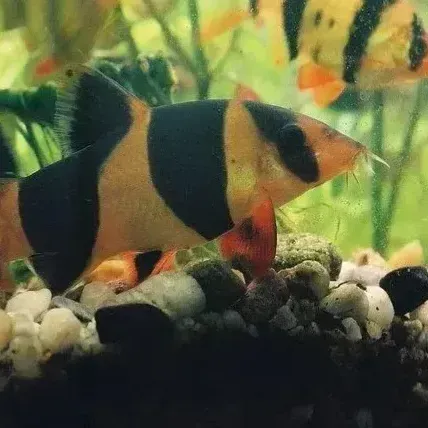
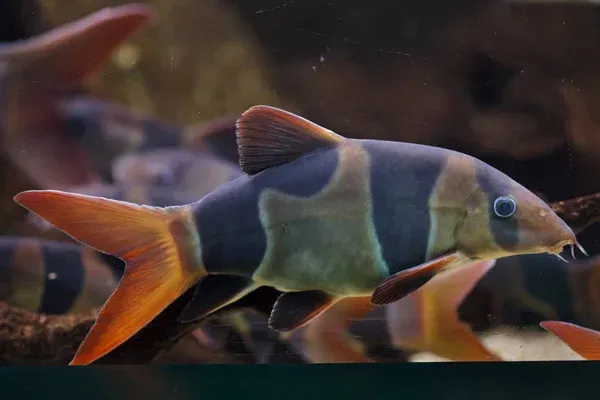
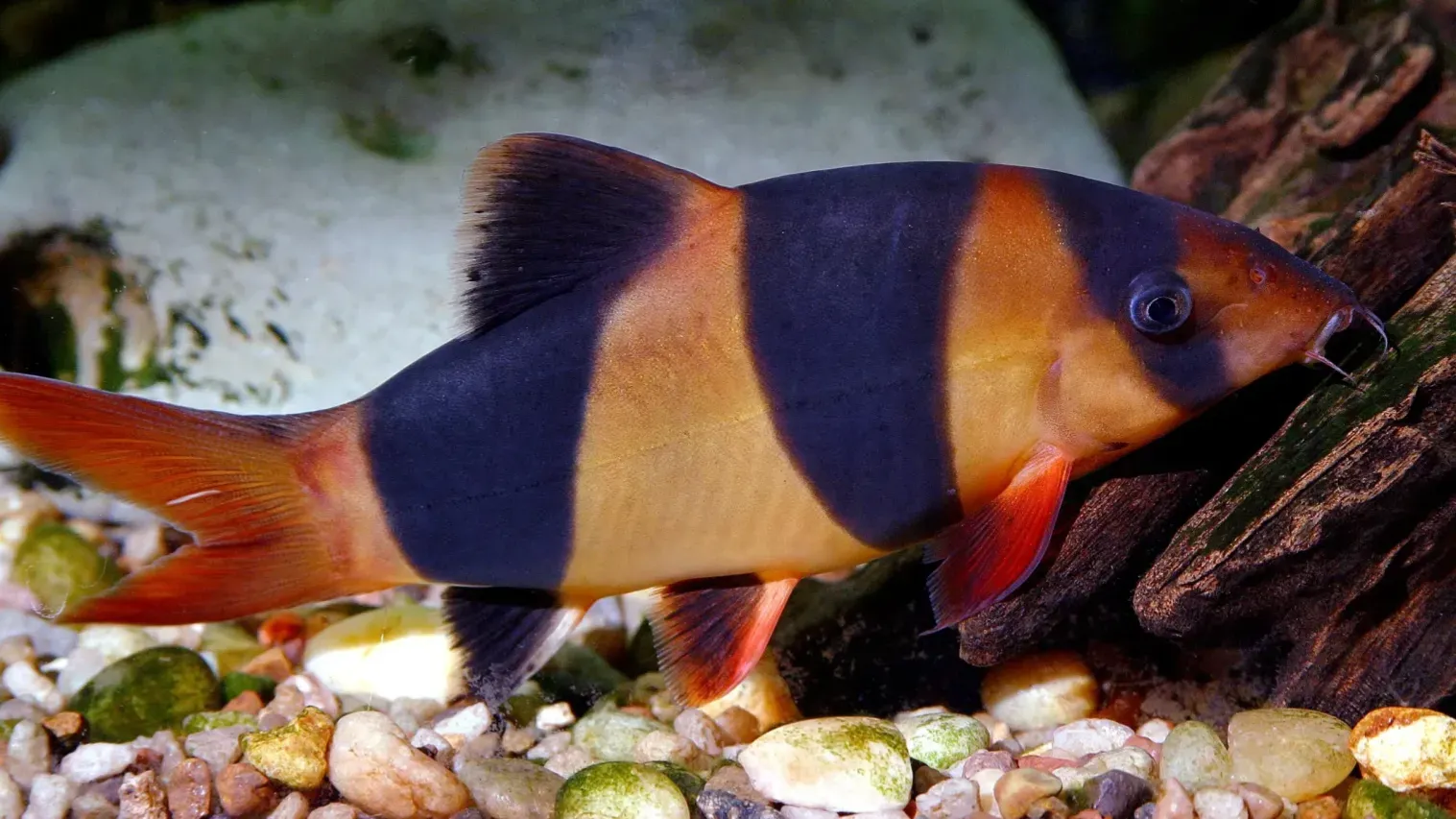
The Clown Loach (Chromobotia macracanthus) is an orange fish with bold black stripes. Clever, social, and mischievous, Clown Loaches are a dramatic focal point for large community tanks. Even though they sell them small all the time, they will indeed get really large eventually, so they are a large responsibility for serious aquarists.
Origin of the Clown Loach
It is from the Indonesian river, Borneo and Sumatra mainly, and lives well in its natural warmer, slower water with leaf and plant coverings. They migrate to flooded forests during rainy periods to feed and breed.
Temperament of the Clown Loach
Peaceful, active, and social, Clown Loaches are always best kept in a group of 5 or more because they are social hierarchy and exhibit fascinating group behavior. They are non-aggressive for their size and steer clear of large fish.
Clown Loach Compatibility with Other Fish
Clown Loaches are perfectly suited to community tanks containing peaceful, same-sized fish.
They can be kept with:
- Gouramis
- Non-aggressive Barbs
- Rainbowfish
- Plecos and Corydoras
- Large tetras
Don't keep with:
- Aggressive cichlids
- Fin-nippers such as tiger barbs (when kept in small groups)
- Food fish or prawns as a food item
Price Range of the Clown Loach
Clown Loaches typically range between ₹350–₹1,000 ($5–$12) based on size and location. Larger and older fish or captive-bred pairs will cost more.
Characteristics
Temperament
Aggressive
Friendly
Compatibility with other fishes
Not Friendly
Super Friendly
Habitat Size
Small
Large


Habitat Requirements of the Clown Loach
Initial Setup Cost
₹10,000 - ₹30,000
Water Temperature
24º -30ºC
Water Type
Fresh Water
PH Level
6 - 7
Tank Setup
- Minimum tank size: 75 gallons (for adult groups)
- Substrate: Soft sand or smooth gravel
- Insert driftwood, caves, and PVC pipes as hides
- Provide ample swimming room
Water Conditions
- Temperature: 25–30°C (77–86°F)
- pH: 6.0–7.5
- Hardness: 5–12 dGH
Environment Requirements
- Decor: Driftwood, live plants, rocks
- Lighting: Moderate lighting with shaded spots
- Filtration: Steady but unobtrusive water current; Clown Loaches require spotless, well-oxygenated water
- Lid: Securely fitting lid—jump occasionally
Essential Equipment
Aquarium tank
Water filter
Heater
Light
Substrate
Clown Loach Nutritional Guide
Avg Monthly Expenses
₹200 - ₹ 300
Clown Loaches are opportunistic omnivorous cleaners and like variety.
- Main foods: Loach wafers, sinking pellets
- Protein items: Brine shrimp, tubifex worms, bloodworms, insect larvae
- Vegetables: Frozen peas, cucumber, zucchini, spinach
Feeding Tips:
- Feed two times a day in small quantities
- Remove surplus to prevent water quality issues
- Occasional live or frozen foods for general health


Care & Health of the Clown Loach
Common Health Issues
Fin rot
White spot / ick
Velvet disease (yellowish-brown spots on the skin)
Swim bladder disease
Parasites
Bacterial infections
Signs of good health
Active
Bright coloration
Good apetite
Signs of sickness
Loss of appetite
Lethargic behaviour
Dull coloring
Tattered fins
White growths
Common Issues of the Clown Loach
Ich (White Spot Disease)
Nightly widespread clown loaches because of sensitivity to temperature fluctuation.
- Symptoms: Tiny white spots on body and fins, rubbing against rocks
- Treatment: Slightly warm and treat with aquarium-safe ich medication
Skin Fluke Infestation
Parasitic worms that cause skin and gill irritation.
- Symptoms: Flared respiration, scratching, fin clamped
- Treatment: Treat with anti-parasite medication such as praziquantel or formalin
Bacterial Fin Erosion
Causes poor water conditions or physical injury.
- Symptoms: Fin clipped or frayed, lethargy
- Treatment: Quality water improved, antibacterial meds, and standard parameters
Prerequisites for a Fish
Adequate tank space
Cleanliness
Effort & commitment
Enriching Environment
Written by
Happy Pet TeamAuthor
Team Happy Pet is a passionate collective of pet experts, enthusiasts, and advocates dedicated to sharing trusted and insightful content.
Our cont
Frequently Asked Questions
Can Clown Loaches live with other fish?
Yes, Clown Loaches are generally peaceful and can live with other non-aggressive species. They do well in community tanks with similarly sized, calm fish.
How many Clown Loaches should I keep together?
Clown Loaches are social fish and thrive in groups. It is best to keep them in groups of at least five to ensure they are happy and exhibit natural behaviors.
Do Clown Loaches need hiding places in their tank?
Yes, Clown Loaches appreciate having plenty of hiding spots such as caves, driftwood, and dense vegetation. This helps reduce stress and allows them to exhibit natural behaviors.