Home
/
Fish species
/
Clownfish
Clownfish
Origin
India
Habitat Size
50-150 Liters
Water Type
Salt Water
Water Temperature
24º-28ºC
Cost in India
₹80 - ₹150
Size
2 - 6 inches (Small)
Diet
Omnivore

by Happy Pet TeamUpdated on 2 Dec 2025
Introduction of the Clownfish
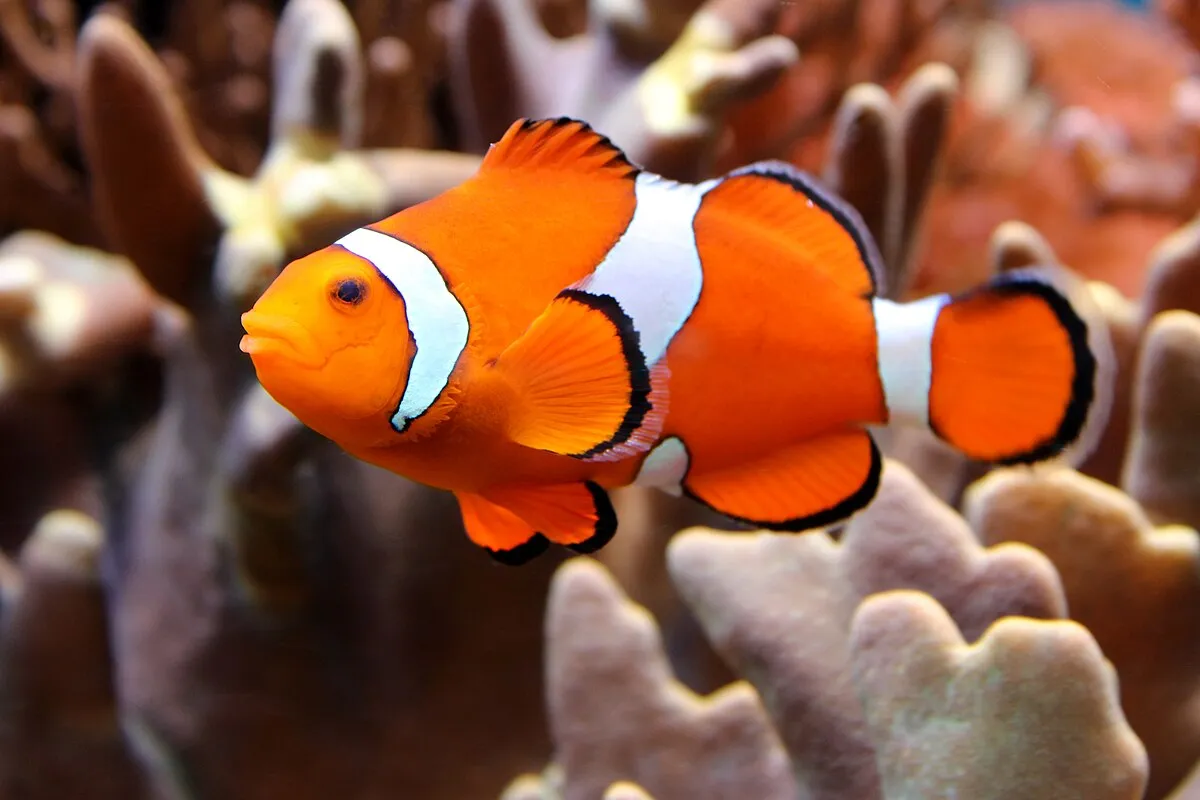
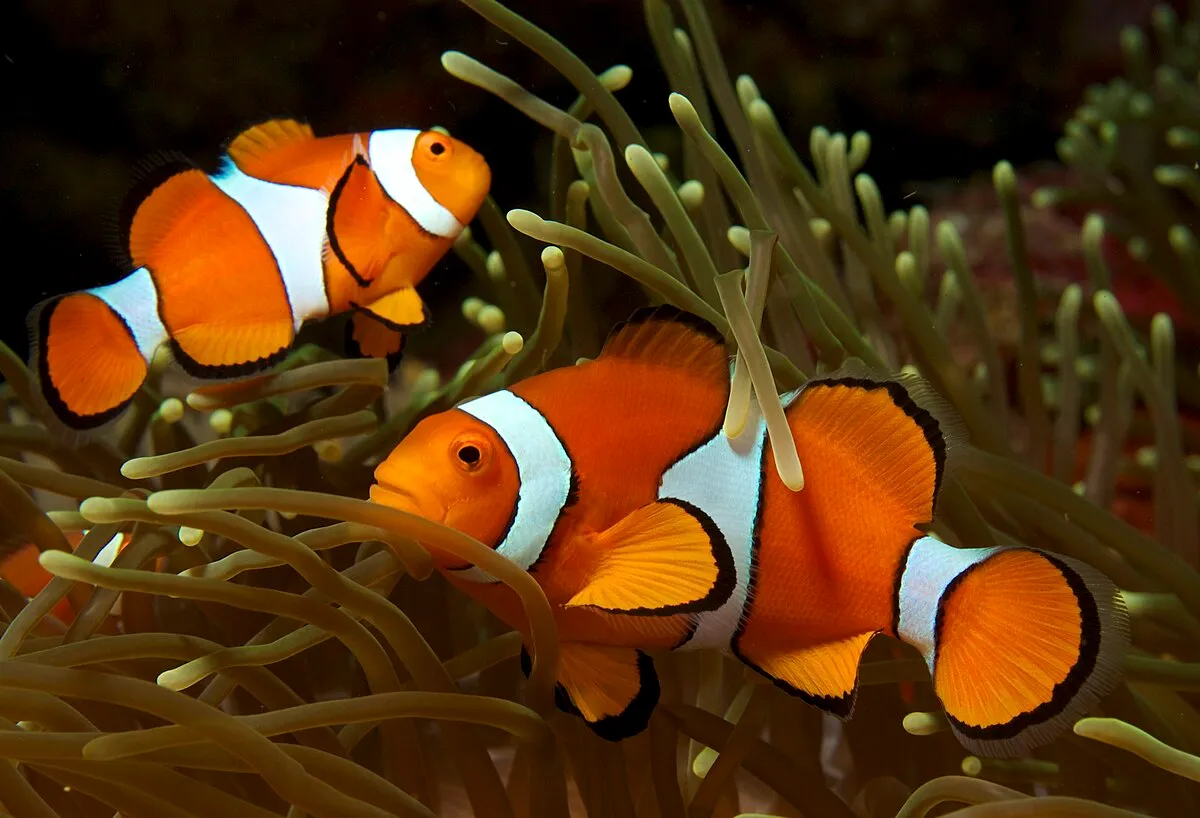
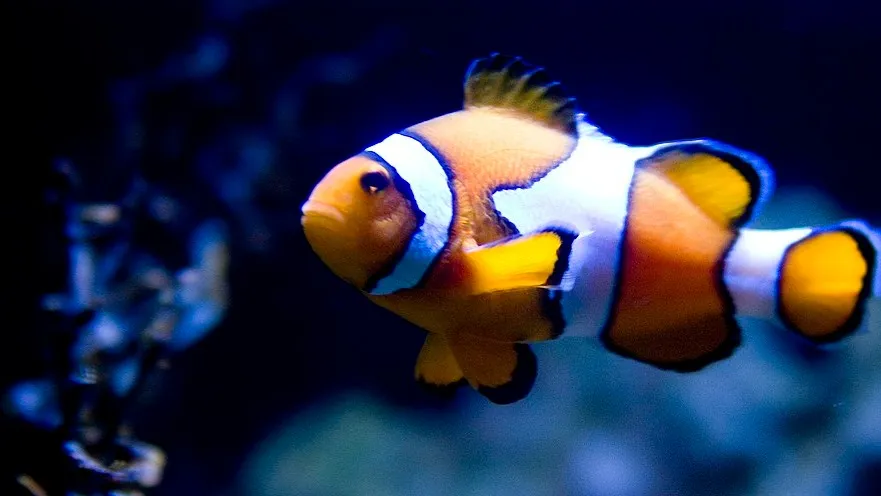
The Clownfish (Amphiprioninae) is a small, highly colored sea fish with its characteristic bright orange color and white strips edged in black. Sensationalized in the news media, Clownfish are robust, active, and interactive and are one of the top-selling sea animals in aquariums.
Males are slightly smaller than the females, who overtop them. Clownfish exhibit fascinating symbiotic relationships with sea anemones, but they will survive well in a well-stocked reef tank without them if there is provided shelter.
Origin of the Clownfish
Clownfish are native to the Indian and Pacific Oceans' warm waters, such as the Great Barrier Reef, Red Sea, and Southeast Asia. They live in coral reefs in the wild and have symbiotic relationships with sea anemones, where they get protection for cleaning and food leftovers. Their diet consists of algae, plankton, and minute invertebrates.
Temperament of the Clownfish
Clownfish are usually peaceful but can become slightly territorial, especially when paired with anemones or when they are guarding eggs. They are social creatures and are happy to be kept in pairs or small groups. They are so small, though, in general, that they will keep more submissive or smaller fish away, particularly when breeding.
Clownfish Compatibility with Other Fish
Clownfish are compatible with:
- Gobies and blennies
- Tangs and small wrasses
- Other peaceful reef fish
Avoid:
- More aggressive or visibly larger fish that will stress or harm them
- Slow breeds or small fry during the breeding season
Price Range of the Clownfish
The Clownfish is moderately priced and aplenty. They range in price from ₹800 to ₹3,500 ($10–$45) based on species, size, and captive-bred versus wild-caught status. Low-maintenance species such as the Ocellaris and Percula Clownfish are less common but moderately priced.
Characteristics
Temperament
Aggressive
Friendly
Compatibility with other fishes
Not Friendly
Super Friendly
Habitat Size
Small
Large


Habitat Requirements of the Clownfish
Initial Setup Cost
₹4,000 - ₹12,000
Water Temperature
24º -28ºC
Water Type
Salt Water
PH Level
8 - 8.4
Tank Setup
- Minimum tank size: 20–30 gallons for a single pair
- Recommended: 50 gallons or bigger for community aquariums
- Features: live rock, coral, and anemone-like refuges
Water Conditions
- Temperature: 24–27°C (75–81°F)
- pH level: 8.1–8.4
- Salinity: 1.020–1.025 specific gravity
- Hardness: 8–12 dKH
Environment Needs
- Substrate: sand or crushed coral
- Decorations: live rock, coral, or imitation anemones for shelter
- Lighting: standard reef lighting to accent bright color
Essential Equipment
Aquarium tank
Water filter
Heater
Light
Substrate
Nutritional Guide of the Clownfish
Avg Monthly Expenses
₹80 - ₹ 150
Clownfish are omnivorous and do well on a mixed diet:
- Staple: Marine flake or pellet food
- Protein: Shrimp, brine shrimp, or finely chopped fish
- Vegetables: Spirulina-based flakes or sheets of algae
Feeding Hints:
- Feed 2–3 times a day in small amounts
- Alter diet for optimal health and color
- Clean up any leftover food for water quality


Health & Care of the Clownfish
Common Health Issues
Fin rot
White spot / ick
Velvet disease (yellowish-brown spots on the skin)
Bacterial infections
Swim bladder disease
Parasitic infections
Signs of good health
Active
Bright coloration
Good apetite
Undamaged fins
Signs of sickness
Loss of appetite
Lethargic behaviour
Dull coloring
Swimming abnormally
Increased breathing rate
Common Issues of the Clownfish
Marine Ich (Cryptocaryon)
An ectoparasite of saltwater fish that develops white spots on the body and fins.
- Symptom: White spots, scratching, anorexia
- Cure: Treat with marine-safe anti-parasitic and maintain water conditions stable
Fin Rot or Bacterial Infections
As a result of stress, poor water conditions, or aggression on the part of tankmates.
- Symptom: Clamped or torn fins
- Cure: Fix poor water conditions, quarantine if necessary, and medicate with antibacterial
Stress due to Overcrowding or Poor Hideaways
Overcrowding and inadequate hideaways can lead to stress. Stress can lead to disease.
- Symptom: Pale color, hiding, lethargy
- Cure: Have good hiding places, don't overstock, and keep water parameters stable
Prerequisites for a Fish
Adequate tank space
Cleanliness
Effort & commitment
Enriching Environment
Written by
Happy Pet TeamAuthor
Team Happy Pet is a passionate collective of pet experts, enthusiasts, and advocates dedicated to sharing trusted and insightful content.
Our cont
Frequently Asked Questions
Can clownfish live with other fish?
Yes, clownfish are generally compatible with other peaceful marine species but may show territorial behavior. It’s important to choose compatible tank mates.
Do clownfish need a sea anemone?
While not strictly necessary, clownfish benefit from the presence of a sea anemone, as it provides them with protection and a natural habitat.
Are clownfish suitable for beginners?
Yes, clownfish are relatively hardy and easy to care for, making them a good choice for beginner aquarists.