Home
/
Fish species
/
Dalmatian Molly
Dalmatian Molly
Origin
Central America
Habitat Size
50-150 Liters
Water Type
Fresh Water
Water Temperature
24º-28ºC
Cost in India
₹80 - ₹150
Size
2 - 6 inches (Small)
Diet
Omnivore

by Happy Pet TeamUpdated on 2 Dec 2025
Introduction of the Dalmatian Molly
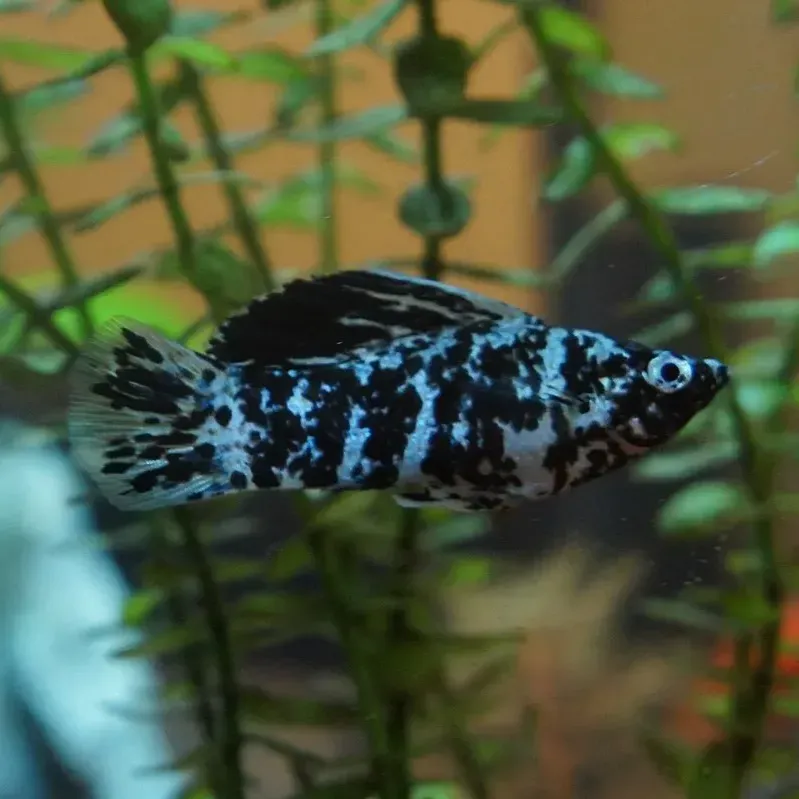
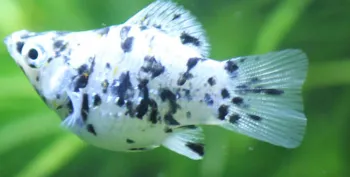
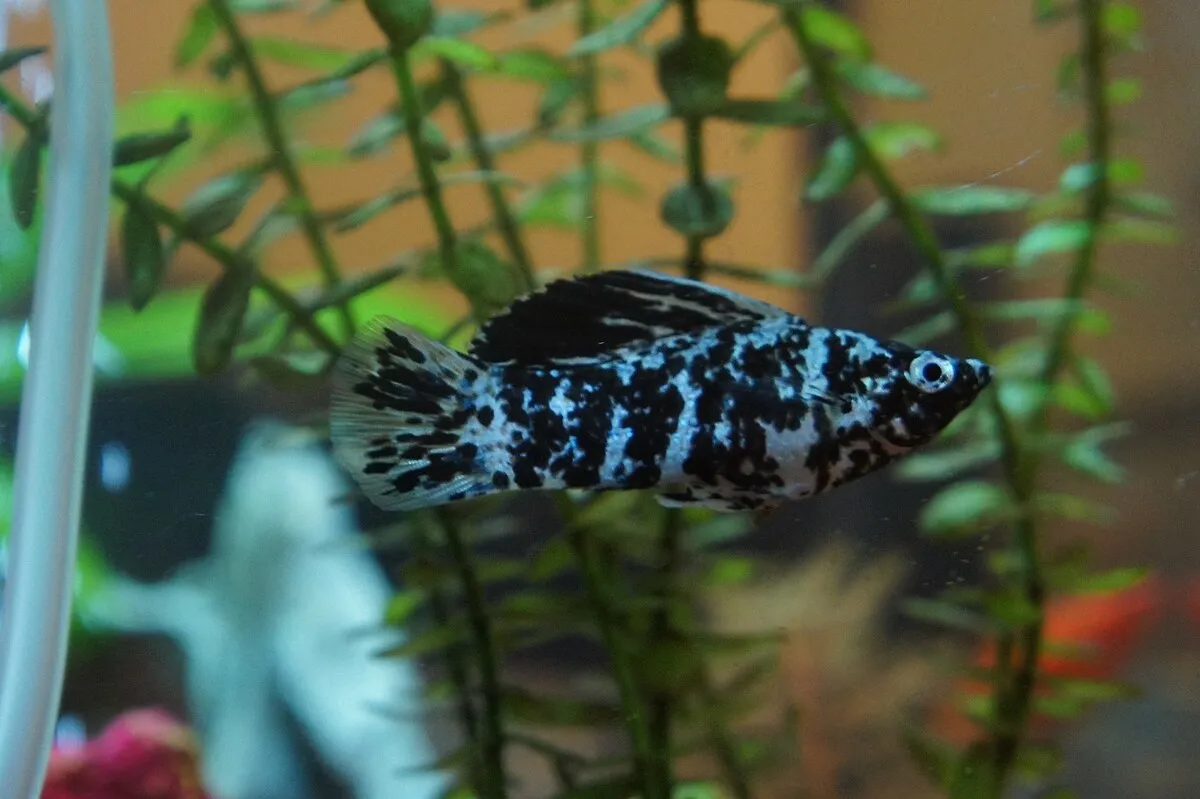
The Dalmatian Molly (Poecilia latipinna) is perhaps the most melodramatic of all freshwater fishes due to their melodramatic black-and-white spotty color, reminiscent of that of the legendary speckled dog. They are friendly, active, and extremely low-maintenance, so they are just as suitable for beginners as they are for advanced aquarists.
Dalmatian Mollies are active fish and tolerate freshwater as well as light brackish aquariums. They add eternal movement and contrast to community aquariums.
Origin of the Dalmatian Molly
Dalmatian Mollies are selectively bred Sailfin Mollies that naturally inhabit the southeastern coast of the United States as well as the Mexican coastlines. They naturally inhabit slow-moving, warm rivers and estuaries with dense aquatic plant life. The Dalmatian was selectively bred by breeders to have its marble-like distinctive appearance.
Temperament of the Dalmatian Molly
They are friendly and loving fish, and they are in their best state of mind when maintained in a school of 4–6 or more. The brief chasing of the females by the males can be anemic, and it is thus advisable to maintain one male and two or more females to prevent stress. They spend most of their time swimming at about the same level as the surface or grazing algae on ornaments and rocks.
Dalmatian Molly Compatibility with Other Fish
Dalmatian Mollies coexist peacefully with other peaceful, mid-sized community fish such as:
- Guppies
- Platies
- Swordtails
- Corydoras catfish
- Harlequin Rasboras
- Dwarf Gouramis
Avoid housing them with fin-nipping or aggressive fish such as cichlids, which will harass the long fins.
Price Range of the Dalmatian Molly
Dalmatian Mollies are fairly affordable and easily found at around ₹100 – ₹250 ($2 – $4) per piece based on size, age, and intensity of color.
Characteristics
Temperament
Aggressive
Friendly
Compatibility with other fishes
Not Friendly
Super Friendly
Habitat Size
Small
Large


Habitat Needs of the Dalmatian Molly
Initial Setup Cost
₹4,000 - ₹12,000
Water Temperature
24º -28ºC
Water Type
Fresh Water
PH Level
7.5 - 8.5
Tank Setup
- Minimum tank capacity: 20 gallons (small harems)
- Substrate: Sand or small gravel
- Decor: Rock, driftwood, grazing and hide plants
- Lighting: Moderate to strong, which will induce the development of algae
Water Conditions
- Type: Freshwater or slightly brackish
- Temperature: 24 – 28 °C (75 – 82 °F)
- pH: 7.0 – 8.5
- Hardness: 10 – 25 dGH
Environmental Needs
- Offer live or silk plants such as Java fern and Anubias as cover. Light current and strong filtration maintain the environment oxygenated and clean.
Essential Equipment
Aquarium tank
Water filter
Heater
Light
Substrate
Dietary Guide of the Dalmatian Molly
Avg Monthly Expenses
₹80 - ₹ 150
Dalmatian Mollies are livebearers, and they have a gargantuan appetite for plant material.
- Staple food: Top-quality flake or pellet designed for livebearers
- Vegetables: Blanched spinach, lettuce, zucchini, and cucumber
- Protein treats: Brine shrimp, daphnia, or bloodworms (weekly or fortnightly)
Feeding Tips:
- Feed in small quantities 2–3 times daily. Remove leftover food to avoid ammonia production. Offer algae wafers to satisfy their natural grazing behavior.


Health & Care of the Dalmatian Molly
Common Health Issues
Fin rot
White spot / ick
Velvet disease (yellowish-brown spots on the skin)
Columnaris (cotton wool-like growth on the skin)
Swim bladder inflammation
Bacterial infections
Signs of good health
Active
Bright coloration
Good apetite
Signs of sickness
Loss of appetite
Lethargic behaviour
Dull coloring
Swimming abnormally
Tattered fins
Common Diseases of the Dalmatian Molly
Velvet Disease
Dusty golden color to the fish due to parasitic protozoa.
- Symptoms: Dusty yellow covering on body, rubbing on objects
- Treatment: Raise temperature slowly and treat with copper-based treatment
Columnaris (Bacterial Infection)
Caused by poor water quality or overstocking.
- Symptoms: White deposit to mouth or fins, lethargy
- Treatment: Return water quality and give antibacterial treatment
Swim Bladder Disorder
Caused by overfeeding or infection internally.
- Symptoms: Trouble staying afloat, floats bottom-end-up
- Treatment: Feed fast fish for 24 hours, then add blanched peas to help with digestion
Prerequisites for a Fish
Adequate tank space
Cleanliness
Effort & commitment
Enriching Environment
Written by
Happy Pet TeamAuthor
Team Happy Pet is a passionate collective of pet experts, enthusiasts, and advocates dedicated to sharing trusted and insightful content.
Our cont
Frequently Asked Questions
Do Dalmatian Mollies need a heated tank?
Yes, Dalmatian Mollies are tropical fish and require a heater to maintain a stable, warm water temperature.
What do Dalmatian Mollies eat?
Dalmatian Mollies are omnivores and should be fed a varied diet that includes high-quality flake food, freeze-dried or live brine shrimp, and vegetable matter such as algae wafers or blanched spinach.
What are good tank mates for Dalmatian Mollies?
Good tank mates include other livebearers like guppies and platies, as well as tetras, corydoras, and peaceful barbs.