Home
/
Fish species
/
Delphax Corydoras
Delphax Corydoras
Origin
Brazil
Habitat Size
50 - 150 liters
Water Type
Fresh Water
Water Temperature
22º-26ºC
Cost in India
₹80 - ₹150
Size
2 - 3 inches (Small)
Diet
Omnivore
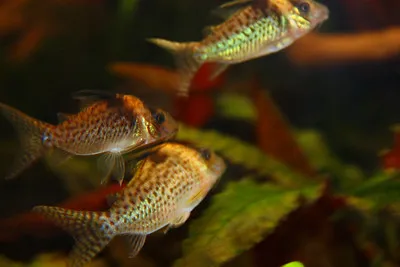
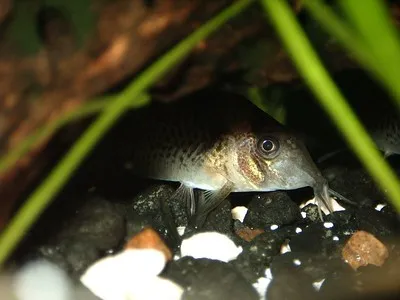
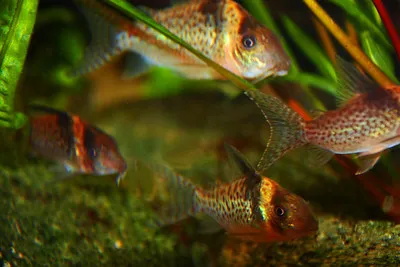

by Happy Pet TeamUpdated on 25 Nov 2025
Delphax Corydoras Fish Guide
Delphax Corydoras, also called False Blochi Catfish, is a small, armored catfish with a soft, pale body and darker markings. It is popular among hobbyists because it is peaceful, curious, and has a cute "bottom-dweller" style of life. It looks unique with its band-like patterns, and it moves around in a group, which makes it fun to watch.
Delphax Corydoras Origin
- It comes from South America, especially from the Inírida River and the upper Orinoco River basin in Colombia.
- The name delphax means “young piglet,” referring to how it forages (sniffs around) in soft sediment for food.
Temperament
- Very peaceful fish; enjoys being with others of its own kind. It’s not aggressive.
- Because it is schooling/shoaling, it feels safer and happier in groups.
Compatibility
- Good tank mates: other peaceful small fish like tetras, rasboras, pencilfish, etc. Also, other bottom dwellers that are non-aggressive.
- Avoid: Large aggressive fish, or fish that pick on barbels or disturb substrate too harshly.
Delphax Corydoras Price Range
- ₹1,500 to ₹3,000 (If imported or rare)
- ₹800 to ₹1,500 (If locally bred)
- Additional costs (shipping, customs, acclimation) can raise the final cost.
Characteristics
Temperament
Aggressive
Friendly
Compatibility with other fishes
Not Friendly
Super Friendly
Habitat Size
Small
Large


Delphax Corydoras Habitat Requirements
Initial Setup Cost
₹4,000 - ₹12,000
Water Temperature
22º -26ºC
Water Type
Fresh Water
PH Level
6 - 7.5
Delphax Corydoras Tank Type
- Freshwater only. Soft water and gentle currents are preferred.
Aquarium Size
- A group of Delphax Corydoras should have enough space: at least a tank with base dimensions like 90 × 30 cm.
Water Conditions
- Temperature: 21 ‒ 26 °C (≈ 70-79 °F)
- pH level: 6.0 ‒ 7.5 (slightly acidic to neutral)
- Water hardness: Soft to moderate hardness (2 ‒ 12 dGH)
Environment Needs
- Substrate: Soft sand is best for use as a substrate. This keeps their barbels, whisker-like feelers, safe. They can be injured by gravel or sharp edges.
- Decorations: Driftwood, along with rocks, also constitute decorations for shade as well as hiding spots. Natural debris or leaf litter replicates their wild habitat.
- Lighting: Moderate lighting is fine. Bright specific lighting is pointless. Shade helps them feel secure.
- Filtration/water flow: Gentle to moderate. They naturally live in slow-moving waters.
Essential Equipment
Aquarium tank
Water filter
Heater
Light
Substrate
Decor
Delphax Corydoras Nutritional Guide
Avg Monthly Expenses
₹80 - ₹ 150
Delphax Corydoras Diet Type
- Omnivore: eats plant material in addition to animal matter
Suitable Foods
- Catfish sinking pellets or even catfish sinking granules
- Bloodworms or even white worms, or just mosquito larvae, and so on, with frozen and also live foods, can help them to stay healthy and strong, especially when breeding
- Vegetables / plant-based matter sometimes: spinach or blanched veggies to add variety
Feeding Frequency & Tips
- Feed once or twice a day, but in small portions so that food reaches the bottom (since they feed there)
- Remove uneaten food so water remains clean
- Occasionally, offer treats (live/frozen) to keep them stimulated


Delphax Corydoras Health & Care
Common Health Issues
Fin rot
White spot / ick
Ammonia poisoning
Bacterial infections
Parasitic infections
Swim bladder disease
Signs of good health
Active
Bright coloration
Good apetite
Signs of sickness
Loss of appetite
Lethargic behaviour
Increased breathing rate
White film
Swimming abnormally
Common Health Issues
- Barbels can get damaged or infected, especially if the substrate is rough
- Fungal growth on eggs occurs during breeding
Symptoms to Watch
- Ragged, shortened, or missing barbels
- Loss of appetite
- Cloudy eyes, flashing (rubbing against objects) – could be a sign of irritation
- Whitish or fuzzy growth on eggs
Treatment
- Use sand substrate, keep water clean, and do regular partial water changes
- Add antifungal treatment for eggs (some keepers use methylene blue in breeding tanks)
- Quarantine new fish
Delphax Corydoras General Health Tips
- Maintain stable water conditions (temperature, pH, hardness). Sudden changes stress them
- Keep in groups (5 or more) so they stress less
- Provide hiding places/shade so they feel safe
- Monitor water quality: ammonia, nitrite, nitrate
Prerequisites for a Fish
Adequate tank space
Enriching Environment
Cleanliness
Effort & commitment
Written by
Happy Pet TeamAuthor
Team Happy Pet is a passionate collective of pet experts, enthusiasts, and advocates dedicated to sharing trusted and insightful content.
Our cont
Frequently Asked Questions
What is the ideal tank size for Delphax Corydoras?
A minimum tank size of 20 liters is recommended.
Can Delphax Corydoras live with other fish?
Yes, they are peaceful and compatible with most community fish.
How often should I feed Delphax Corydoras?
They should be fed once or twice daily, with a varied diet for optimal health.