Home
/
Fish species
/
Demasoni Cichlid
Demasoni Cichlid
Origin
South Africa
Habitat Size
50-150 Liters
Water Type
Fresh Water
Water Temperature
24º-28ºC
Cost in India
₹80 - ₹150
Size
2.5 - 3 inches (Small)
Diet
Herbivore

by Happy Pet TeamUpdated on 2 Dec 2025
Demasoni Cichlids Fish Guide
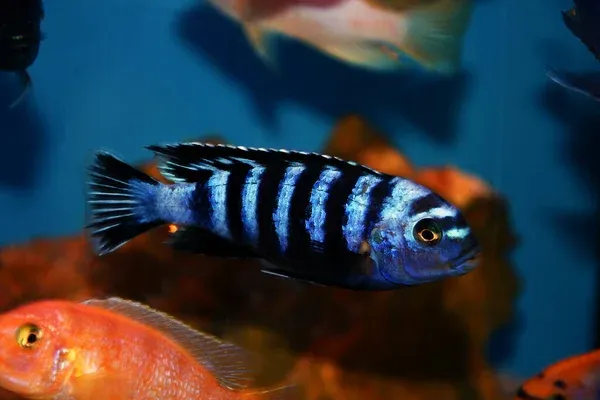
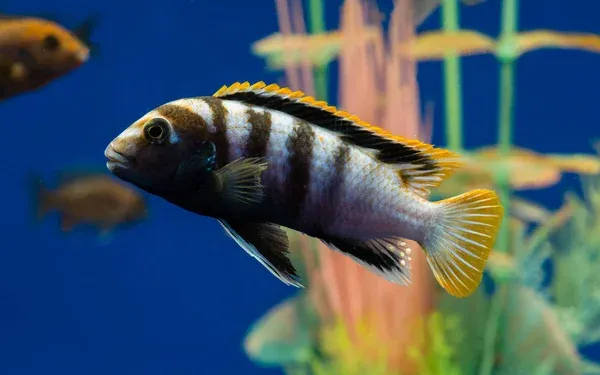
The Demasoni Cichlids are a small but very striking fish. Its body is dark blue with bold black vertical stripes, and lighter blue or white stripes in between. It is popular among fish lovers because it is colorful, lively, and has a bold personality in an aquarium.
Origin
- This fish is native to Lake Malawi in Africa, especially around the Pombo Rocks in Tanzanian waters
- It was first described scientifically in 1994
- “Demasoni” is named in honor of Laif DeMason, who was an aquarist and breeder of cichlids
Demasoni Cichlids Temperament
- Demasoni Cichlids are very territorial and aggressive, especially toward fish that look similar
- They like to defend small patches of territory among rocks
- They are social in the sense that they often chase each other, but too few in a tank can lead to the few fish being bullied
Compatibility
- Good tank mates are other African cichlids (especially Malawi mbuna types) that have different colors or patterns, so they are not mistaken for rivals.
- Avoid fish that are very small or slow, and avoid others that have a similar look (same stripes or colors) because Demasoni may attack them.
- It is often recommended to keep a group of at least 10–12 Demasoni together so aggression is spread out.
Demasoni Cichlids Price Range
- In India, you might expect to pay around ₹300 to ₹800 per fish
Characteristics
Temperament
Aggressive
Friendly
Compatibility with other fishes
Not Friendly
Super Friendly
Habitat Size
Small
Large


Demasoni Cichlids Habitat Requirements
Initial Setup Cost
₹4,000 - ₹12,000
Water Temperature
24º -28ºC
Water Type
Fresh Water
PH Level
7.8 - 8.6
Tank Type
- Freshwater only
Demasoni Cichlids Aquarium Size
- A minimum of about 150 L (≈ 40 gallons) is recommended when keeping a group, to give them room.
- If you have many, bigger tanks help reduce fights.
Water Conditions
- Temperature: 24–28 °C (≈ 78–82 °F)
- pH Level: 7.5 to 8.5 (alkaline water)
- Water Hardness: 10–20 dGH (moderately hard to hard)
Demasoni Cichlids' Environment Needs
- Use sand or fine substrate because these fish dig and pick on the bottom
- Provide lots of rocks, caves, and hiding spaces — they love crevices to protect their territory
- Lighting and plants: plants are not common in their wild habitat.
Essential Equipment
Aquarium tank
Water filter
Heater
Light
Substrate
Demasoni Cichlids Nutritional Guide
Avg Monthly Expenses
₹80 - ₹ 150
Demasoni Cichlids' Diet Type
Suitable Foods
- High-quality cichlid pellets/flakes with plant content, especially spirulina
- Occasional live or frozen protein, like:
- Brine shrimp
- Bloodworms
- Mites
- Snails
- Insect larvae
- Vegetables: blanched greens like spinach and cucumber slices can help
Demasoni Cichlids Feeding Frequency & Tips
- Feed small amounts twice a day and avoid overfeeding (they are prone to digestive problems)
- Give only what they can finish in a few minutes, and remove leftovers
- Vary their diet to keep them healthy and colorful


Demasoni Cichlids Health & Care
Common Health Issues
Fin rot
White spot / ick
Velvet disease (yellowish-brown spots on the skin)
Ammonia poisoning
Columnaris (cotton wool-like growth on the skin)
Bacterial infections
Signs of good health
Active
Bright coloration
Good apetite
Signs of sickness
Loss of appetite
Lethargic behaviour
Frequent hiding
Dull coloring
Tattered fins
Here are some health issues Demasoni Cichlids may face, how they show up, and how to treat or prevent them:
Malawi Bloat
In Malawi cichlids, this can seriously affect their ability to swim and eat. Also, this can bloat them and make them feel lethargic. Problems typically stem from overfeeding, poor water quality, or sudden changes in conditions. Clean water, careful feeding, and low protein intake are preventative measures. A fish can be removed from the main aquarium for one day without being fed in cases of early-stage bloat. It should be provided with more easily digestible food with possible bloat medications.
Digestive Problems
Because their diet needs plant material, giving too much protein or no roughage leads to constipation. Fish may appear bloated, refuse food, or sit at the bottom. Use more vegetable food, reduce protein, and provide fiber (blanched veggies).
Parasitic Infections
Fish can get lice or other skin/gill parasites. Symptoms may include scratching, spotting of the skin or gills, and rubbing. A fish that is infected must be quarantined and treated with anti-parasite treatments. Testing water against a list of appropriate parameters is also advised, as stress and poor water can worsen the parasite.
Demasoni Cichlids General Health Tips
- Requires very clean water with strong filtration and frequent water changes
- Watch the chemistry near pH, hardness, and temperature. Keep these parameters stable
- Keep new fish separate before putting them in your tank
- Crowding leads to stress, so do not crowd
- Look for any abnormalities, spots, or intensifications of colors on the fish
Prerequisites for a Fish
Effort & commitment
Cleanliness
Adequate tank space
Enriching Environment
Written by
Happy Pet TeamAuthor
Team Happy Pet is a passionate collective of pet experts, enthusiasts, and advocates dedicated to sharing trusted and insightful content.
Our cont
Frequently Asked Questions
What should I feed Demasoni Cichlid?
They require a diet rich in vegetable matter, including high-quality vegetable-based flakes or pellets, spirulina, and blanched vegetables like zucchini and spinach.
What water conditions are best for Demasoni Cichlid?
They thrive in water temperatures between 24°C and 28°C and a pH level of 7.8 to 8.6. Maintaining stable water parameters is crucial for their health.
How can I tell the difference between male and female Demasoni Cichlids?
Males are generally more brightly colored and larger than females. Females might also have rounder bellies, especially when ready to breed.