Home
/
Fish species
/
Denison Barb
Denison Barb
Origin
India
Habitat Size
50-150 Liters
Water Type
Fresh Water
Water Temperature
22º-28ºC
Cost in India
₹80 - ₹150
Size
2 - 6 inches (Small)
Diet
Omnivore

by Happy Pet TeamUpdated on 2 Dec 2025
Denison Barb Fish Guide
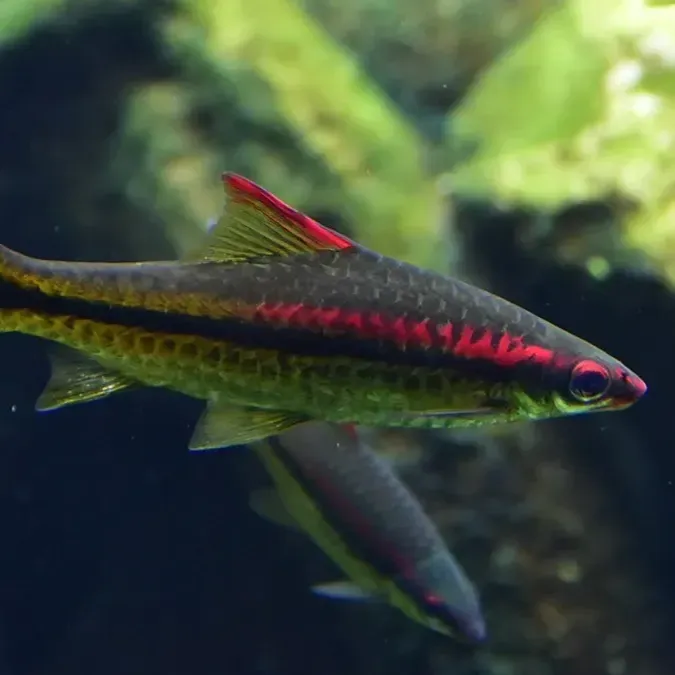
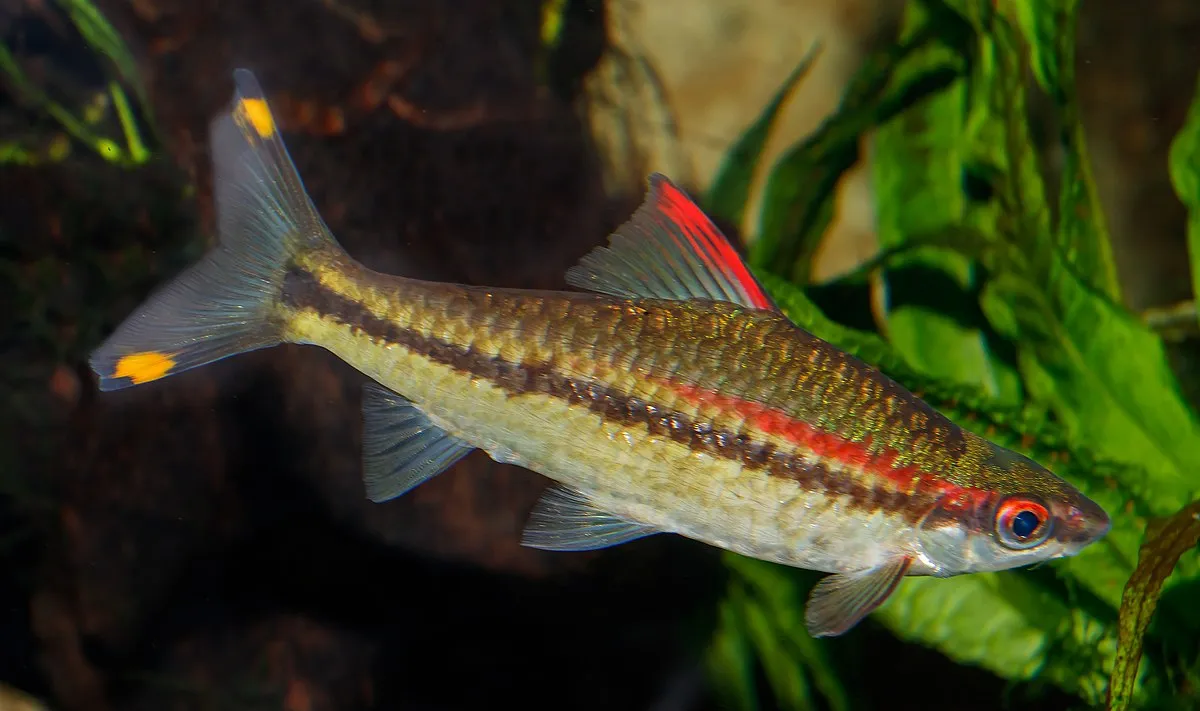
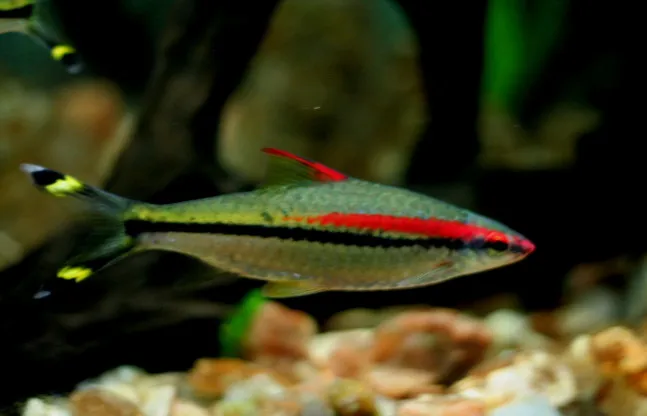
The Denison Barb is a slim, fast, and very colorful freshwater fish. It has a shiny body with a bright red stripe on the head and a black line that runs along its side to the tail. Many people love it because it swims in groups and makes a tank look lively and bright.
Denison Barb Origin
- Native to the fast rivers of southwestern India (Kerala state)
- It is a wild fish that was once classified in different groups, but today appears in scientific lists as Dawkinsia denisonii
Temperament
- Active and playful — swims quickly around the tank
- Generally peaceful when kept in a proper group and space
- If kept alone or in a very small tank, it can get stressed and show chasing behavior
Compatibility
Good tankmates:
- Other peaceful, medium-sized schooling fish, such as:
- Larger Types Of Tetras
- Cherry Barb
- Apistogramma
- Celestial Pearl Danio
- Rosy Barb
- Rainbow Fish
Avoid:
- Very slow, long-finned fish or very small fish that could be scared
- Keep species that like similar water and movement
Denison Barb Price Range
- Young Denison Barbs in India are commonly sold around ₹100 each, with prices varying by size and seller
- Expect roughly ₹100–₹400 per fish, depending on size and availability
Characteristics
Temperament
Aggressive
Friendly
Compatibility with other fishes
Not Friendly
Super Friendly
Habitat Size
Small
Large


Denison Barb Habitat requirements
Initial Setup Cost
₹4,000 - ₹12,000
Water Temperature
22º -28ºC
Water Type
Fresh Water
PH Level
6.5 - 7.5
Tank type
- Freshwater only
Denison Barb Aquarium size
- Minimum: 55 gallon, 100 cm (4 ft) long tank recommended for a small school (6 or more)
- Short tanks feel crowded because these fish like to swim along the length
Water conditions
- Temperature range: 18–26 °C (cool to moderate)
- pH level: around 6.8–7.8 (slightly acidic to neutral)
- Water hardness: 5-25 dGH soft to moderately hard
Denison Barb Environment needs
- Strong water flow and good oxygenation — they come from swift streams
- Plants: sturdy plants (Anubias, Java fern) around sides and back. They may nibble delicate leaves
- Rocks and driftwood for hiding spots and to break the current
- Bright but not harsh lighting; shaded zones help them feel safe
Essential Equipment
Aquarium tank
Water filter
Heater
Substrate
Light
Denison Barb Nutritional Guide
Avg Monthly Expenses
₹80 - ₹ 150
Denison Barb Diet type
- Omnivore with herbivorous leanings
Suitable foods
- High-quality flakes and pellets as a base diet
- Live/frozen foods:
- Brine shrimp
- Bloodworms
- Blanched vegetables like peas or spinach occasionally
Denison Barb Feeding Frequency & Tips
- Feed small amounts 1–2 times a day
- Give only what they finish in 2–3 minutes
- Vary foods to keep color and health strong
- Avoid overfeeding — it makes water dirty fast


Denison Barb Health & Care
Common Health Issues
Fin rot
White spot / ick
Fungal infections
Parasitic infections
Swim bladder disease
Velvet
Signs of good health
Active
Bright coloration
Good apetite
Signs of sickness
Loss of appetite
Lethargic behaviour
White film
Cloudy eyes
Swimming abnormally
Denison Barb common health issues
Ich
Ich is a parasitic infection that appears as small white specks on the fish's body and fins. Infected fish may rub against decorations in addition to breathing rapidly. Treatment options include slightly raising the tank temperature (if this does not harm its tank mates), partial water changes, and using a safe anti-ich medication per the instructions on the label. Separate the fish from the tank. This avoids exposing other fish.
Fin rot (Bacterial fin decay)
Fin rot causes ragged or blackened edges to fins and is more common in dirty water or if the fish are under stress. Daily large water changes, filter cleaning, and possible application of an antibacterial treatment can help, as can good water quality, healthy food, and low stress. Fins regenerate faster in good conditions.
Columnaris/mouth fungus
External columnaris appears as grey or white spots or sores on the body, in the mouth, or on the gills. The growth of this disease is rapid when the water quality is poor or the fish are weak. This may involve improving water conditions, or adding oxygen, or antibiotics, or other antibacterial medicines, or quarantining very sick fish in a separate tank, as suggested by the vet or shop.
Denison Barb General health tips
- Keep water clean with regular partial changes (20–30% weekly)
- Keep them in schools (6+) — schooling lowers stress and disease risk
- Do not overfeed; remove leftovers to avoid ammonia spikes
- Quarantine new fish for 2 weeks before adding them to the main tank
- Watch fish daily — early fixes are easier than big cures
Prerequisites for a Fish
Adequate tank space
Cleanliness
Effort & commitment
Enriching Environment
Written by
Happy Pet TeamAuthor
Team Happy Pet is a passionate collective of pet experts, enthusiasts, and advocates dedicated to sharing trusted and insightful content.
Our cont
Frequently Asked Questions
Are Denison Barbs suitable for community tanks?
Yes, Denison Barbs are generally peaceful but active fish that can coexist with other non-aggressive species of similar size. They should be kept in schools of at least 6 individuals to thrive.
What should I feed Denison Barbs?
Denison Barbs are omnivorous and should be fed a varied diet. They can be fed high-quality flakes or pellets supplemented with occasional live or frozen foods like bloodworms and brine shrimp to promote their health and vibrant colors.
How can I maintain the vibrant colors of Denison Barbs?
Providing a balanced diet, maintaining good water quality through filtration and regular water changes, and ensuring a stress-free environment are key to preserving the bright red markings and overall coloration of Denison Barbs.