Home
/
Fish species
/
Discus Fish
Discus Fish
Origin
South America
Habitat Size
Minimum 113 Litres
Water Type
Fresh Water
Water Temperature
27º-31ºC
Cost in India
₹500 - ₹1,000
Size
4.8 - 6 inches (Medium)
Diet
Omnivore

by Happy Pet TeamUpdated on 2 Dec 2025
Discus Fish Introduction
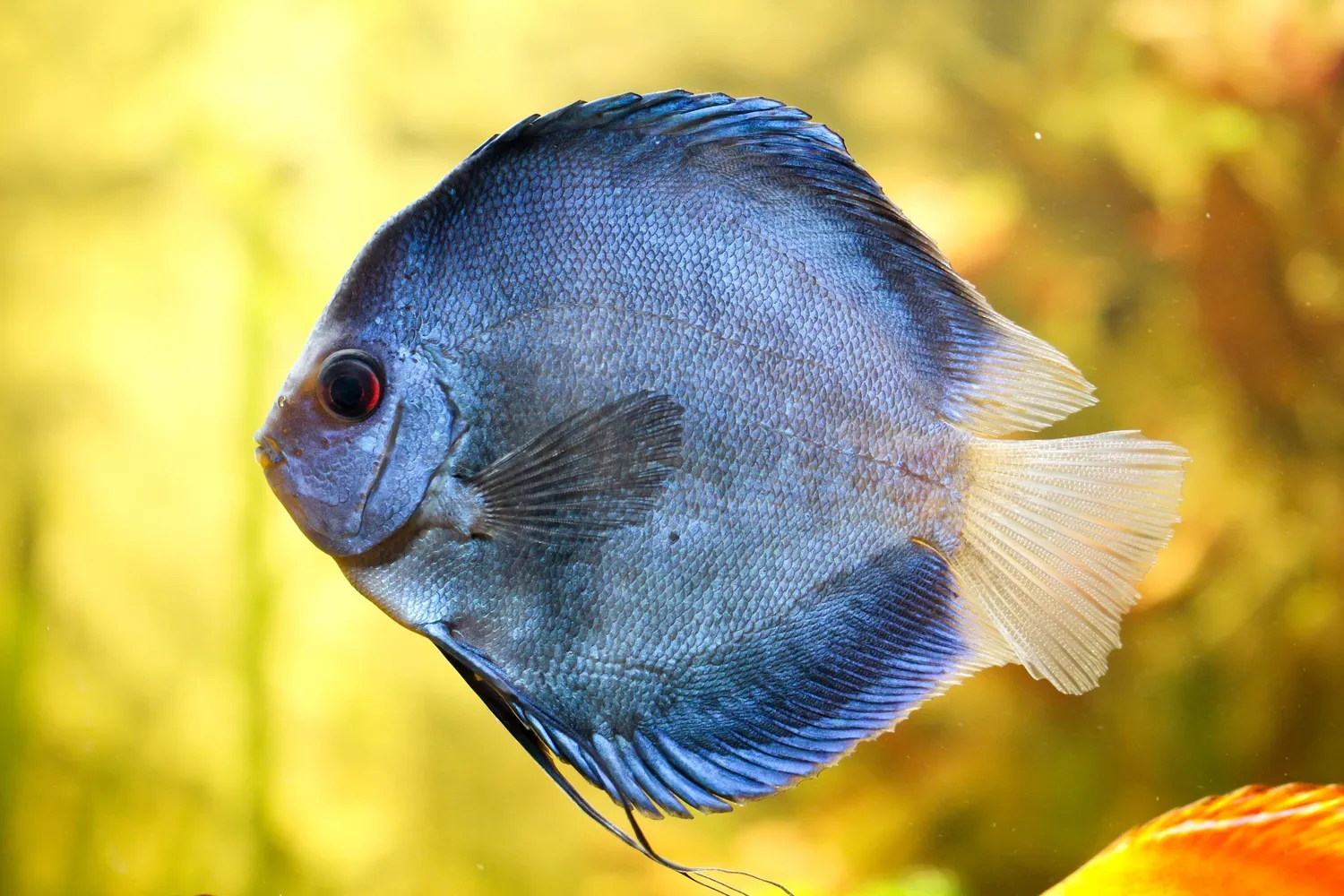
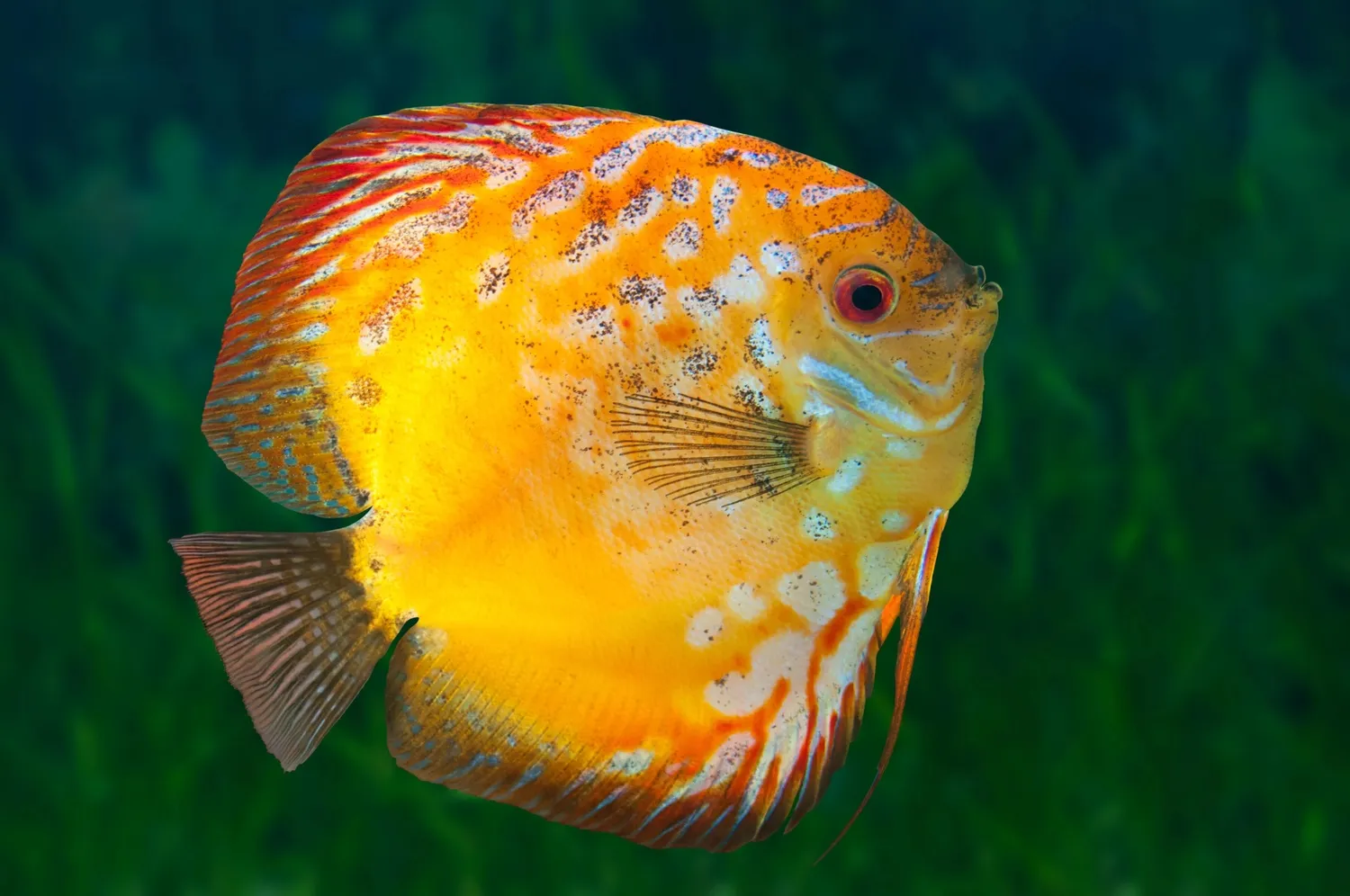
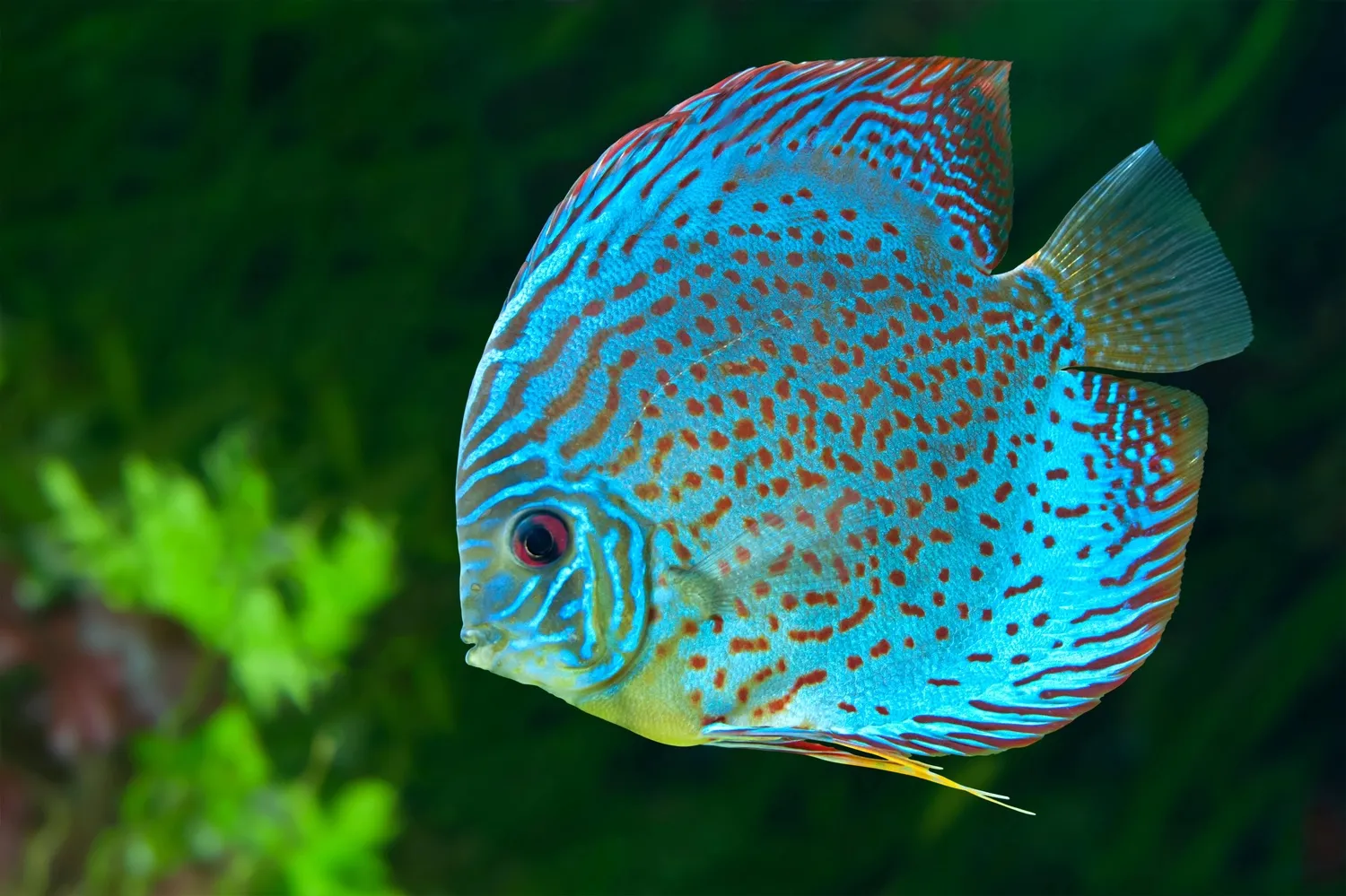
The Discus Fish (Symphysodon) is a round, flat-looking tropical freshwater fish with bright colors and interesting patterns. Their shape looks like a flying saucer, and aquarists often call them the “king” of aquarium fish because of their elegant look and vibrant hues. What makes them special is their calm, graceful swimming and the way they act together in groups, which many other fish don’t show as clearly.
Origin
- Discus Fish are native to the lowland floodplain lakes and slower tributaries of the Amazon River basin in South America.
- In the wild, they tend to live near fallen trees and quiet water rather than strong currents.
- Over time, hobbyists have selected many color and pattern varieties, making them popular in the aquarium trade.
Temperament
- Discus fish are generally peaceful and shy rather than aggressive
- Because they naturally live in groups, they feel safer when kept with others of their kind; alone, they may be stressed
- With each other, they may establish a pecking order (who eats first, who leads), but it’s mild compared to aggressive cichlids
Compatibility
Discus Fish Good Tankmates
Other peaceful, slow‐moving fish that tolerate warm water and soft acidic conditions.
- For example:
- Cardinal tetras
- Corydoras
- Clown loaches
- Plecos
- Dwarf cichlids
What to avoid
- Fast, aggressive fish or fish that prefer cooler water—they may stress the Discus or take all the food
- Large, boisterous fish that disturb the calm, warm environment, the Discus is like
Discus Fish Price in India
- In India, younger Discus (about 1.5 inch size) are around ₹650-₹1,000 each.
Characteristics
Temperament
Aggressive
Friendly
Compatibility with other fishes
Not Friendly
Super Friendly
Habitat Size
Small
Large


Discus Fish Habitat Requirements
Initial Setup Cost
₹5,000 - ₹10,000
Water Temperature
27º -31ºC
Water Type
Fresh Water
PH Level
6 - 7
Discus Fish Tank Type
- Freshwater tropical fish (not saltwater or brackish)
Aquarium Size
- Many recommend 75 gallons (≈ 284 liters) or more for a group
- At a minimum, you could start smaller, but you must do more water changes and maintenance
Discus Fish Water Conditions
- Temperature: 28-30 °C (82-86 °F) is ideal
- pH level: Soft and slightly acidic water, typically pH 6.0-7.0
- Water hardness: 1 to 4 dKH, Soft to medium hardness (low general hardness)
Environment Needs
- Substrate: Sand or very fine gravel is good, so they can forage gently
- Decor: Driftwood, fallen-tree‐type branches, and large broad-leaf plants help mimic their natural habitat.
- Provide shady spots and hiding places.
- Flow: Gentle water flow; strong currents stress them
- Lighting: Moderate, and floating plants can help diffuse light, so they feel safe
Essential Equipment
Aquarium tank
Water filter
Heater
Light
Substrate
Decor
Discus Fish Nutritional Guide
Avg Monthly Expenses
₹500 - ₹ 1,000
Diet Type
Suitable Foods
- High‐quality flakes and pellets designed for cichlids or tropical fish
- Live or frozen foods as treats:
- Brine shrimp
- Blackworms
- Bloodworms
- These boost color and health
- Small-sized food items – because while Discus look large, their mouths are not huge.
Discus Fish Feeding Frequency & Tips
- Feed 1 to 2 times a day for adults; in juveniles, you might feed more often
- Give only what they can finish in ~2-3 minutes, so you don’t foul the water
- Rotate food types (pellet one day, live/frozen another) to ensure variety and nutrition


Health
Common Health Issues
Fin rot
White spot / ick
Fungus
Dropsy (swollen abdomen)
Columnaris (cotton wool-like growth on the skin)
Bacterial infections
Signs of good health
Active
Bright coloration
Good apetite
Undamaged fins
Signs of sickness
Loss of appetite
Lethargic behaviour
Tattered fins
Dull coloring
Swollen abdomen
Discus Fish are sensitive to changes in their water and in their environment, so it is very important to implement the best care practices. Let us look at some common health issues of Discus Fish and how to keep them healthy.
1. Ich (White Spot Disease)
If your Discus begin flashing (rubbing themselves against objects), show small white spots, or appear lethargic, they might have Ich. This is caused by a parasite and often happens when the water quality drops or temperature changes suddenly. The treatment involves raising the temperature slightly (as per safe limits) and using a suitable anti-parasite medication, while doing frequent water changes to reduce stress.
2. Hole-in-tcolord (Hexamita)
One common issue, especially in sensitive species like Discus is a condition where small pits or holes appear on the head or sides. It is linked to poor diet, low water quality, or a low immune system. You’ll see the fish not eating well, losing colour, or small pitting on the skin. Care means improving water quality (doing partial water changes), offering high‐nutrient foods, and possibly a treatment for internal parasites if diagnosed.
3. Fin Rot / Bacterial Infections
Because Discus like warm water and sensitive conditions, if water becomes dirty or has high nitrates, bacterial infections can set in. You might spot frayed fins, cloudy eyes, or slime. To treat, change much of the water, reduce stress by ensuring adequate space with compatible tankmates, and use a safe antibacterial medication. If possible, fish that are sick should be isolated.
Discus Fish General Health Tips
- Keep water very clean. Clean water is more important than nice decorations for Discus.
- Check for the temperature, pH, hardness, and nitrates regularly.
- When you buy new fish, quarantine them before adding them to the main tank.
- Avoid sudden temperature or water chemistry changes.
- Fishes should have good-sized, low-stress conditions, such as low light, suitable tankmates, and away from crowds or noise.
Prerequisites for a Fish
Adequate tank space
Cleanliness
Effort & commitment
Enriching Environment
Financial Capability
Written by
Happy Pet TeamAuthor
Team Happy Pet is a passionate collective of pet experts, enthusiasts, and advocates dedicated to sharing trusted and insightful content.
Our cont
Frequently Asked Questions
Can a beginner keep Discus Fish?
Yes—but it’s more challenging than some easy starter fish. You’ll need to keep water very clean and stable, and have a good-sized tank.
How many Discus Fish do I need together?
They prefer groups, so having at least 5 or 6 of the same size helps them feel secure. Small numbers may lead to stress.
My Discus Fish is eating less—what should I check?
Check if the water temperature is at their range (28-30 °C), ensure food size is small enough, check for stress from tank mates or strong flow, and test water quality.
Can I keep Discus Fish with any other fish?
You can, but only with careful choice: other fish must tolerate the warm, soft, acidic water, and must not out‐eat or stress the Discus.
What is the Discus Fish's lifespan?
With proper care, Discus Fish can live 8 to 10 years, and some even reach up to 15 years in very good conditions.