Home
/
Fish species
/
Dwarf Corydoras
Dwarf Corydoras
Origin
South America
Habitat Size
20-50 liters
Water Type
Fresh Water
Water Temperature
22º-26ºC
Cost in India
₹50 - ₹100
Size
0.5 - 1 inches (Nano)
Diet
Omnivore

by Happy Pet TeamUpdated on 25 Nov 2025
Dwarf Corydoras Fish Guide
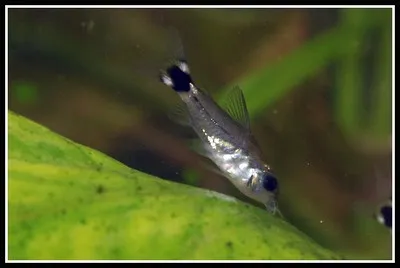
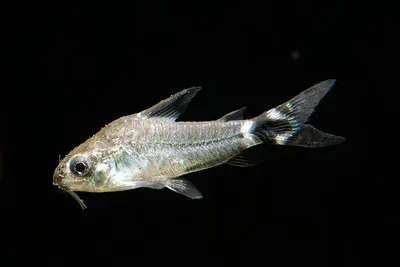
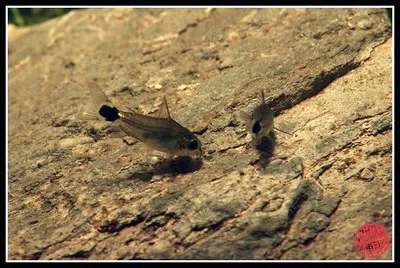
Dwarf Corydoras are tiny, cute fish from the Corydoras family. They have nice little bodies, often with soft colours and a dark spot or stripe near their tail. They are popular among fish lovers because they are gentle, interesting to watch, and work well in small community tanks. They are special since many types stay much smaller than usual Corydoras, making them good for smaller tanks.
Dwarf Corydoras Origin
- These fish come especially from South America, from the Amazon and Paraguay River basins.
- They live in slow rivers or tributary waters, often with plants, leaf litter, and soft sandy bottoms.
Temperament
- They are very peaceful fish. They do not bother other fish.
- Schooling behaviour describes their preference in groups. Greater activity and safety are felt when they number more.
- According to species, they will often swim near the bottom. Also, they swim within mid-water zones.
Compatibility
Good tankmates
- Other small, non-aggressive fish such as tetras, rasboras, and danios get along well.
- They also get along well with fish that won’t compete too harshly or eat them.
Fish to avoid
- Refrain from big fish or combative fish. Fish such as those that may nip at fins or may eat smaller ones should also be avoided. Dwarf corys will stress because of that.
Dwarf Corydoras Price Range
- Single Pygmy Corydoras (small common ones): ₹110 to ₹200 each
- Slightly larger or healthier specimens: ₹250 to ₹350 each
- Pair of Pygmy Corys: ₹400-₹500 for two
- Groups (school of 5-10) Prices scale up, often cheaper per fish when bought in groups; total may be ₹600-₹1,500+ depending on species and quality
Characteristics
Temperament
Aggressive
Friendly
Compatibility with other fishes
Not Friendly
Super Friendly
Habitat Size
Small
Large


Dwarf Corydoras Habitat Requirements
Initial Setup Cost
₹3,000 - ₹6,000
Water Temperature
22º -26ºC
Water Type
Fresh Water
PH Level
6 - 7.5
Dwarf Corydoras Tank Type
- Freshwater aquarium. They are tropical freshwater fish.
Aquarium Size
- Small schools need room: a tank of about 40 litres (≈10 gallons) is a good minimum. More is better if possible.
Water Conditions
- Temperature: 22-27 °C (≈ 71-81 °F).
- pH level: Slightly acidic to nearly neutral or mild alkaline, around 6.0-7.8, depending on species.
- Water hardness: Soft to moderately hard, roughly 4-20°N or similar (which means they do not like very hard water).
Environment Needs
- Substrate: Soft sand or smooth fine gravel. This helps protect their sensitive barbels (little whiskers).
- Plants & hiding stones: Dense plants, leaf litter, driftwood, or rocks to give hiding places. They like cover and places to rest.
- Lighting & flow: Moderate lighting (not too bright) and a gentle current help simulate natural homes.
Essential Equipment
Aquarium tank
Water filter
Heater
Light
Substrate
Decor
Dwarf Corydoras Nutritional Guide
Avg Monthly Expenses
₹50 - ₹ 100
Dwarf Corydoras Diet Type
- Omnivores
Suitable Foods
- Good sinking flakes or pellets have a size that fits their mouths well.
- Live and frozen foods offer good options, which include bloodworms and microworms. Brine shrimp are foods that are also live or frozen.
- Algae wafers and also some of the vegetable matter, on occasion.
Feeding Frequency & Tips
- Feed small amounts 2-3 times a day so they get enough but don’t pollute the water.
- Be sure food reaches them (bottom dwellers): sinking foods help.
- Remove uneaten food after some time to keep the water clean.


Dwarf Corydoras Health & Care
Common Health Issues
Fin rot
White spot / ick
Dropsy (swollen abdomen)
Fungus
Velvet disease (yellowish-brown spots on the skin)
Swim bladder disease
Signs of good health
Active
Bright coloration
Good apetite
Signs of sickness
Loss of appetite
Lethargic behaviour
Swimming abnormally
Tattered fins
White growths
Common Health Issues
- Problems with barbels, such as ones that are damaged or ones that are infected, exist in the event the substrate is rough.
- Fin rot develops because the water quality is poor. It also allows for fungal or bacterial infections to develop.
- Their immune system can be weakened through stress.
Symptoms to Watch
- Cloudy eyes, frayed fins, or dull colour
- Gasping at the surface (if oxygen is low) or loss of appetite
- Visible spots or patches on the body
Treatment
- Do water changes regularly (25-50% weekly) to keep the water clean
- Use suitable medications for fungus/bacteria if needed; quarantine sick fish.
- Ensure substrate is soft and tank has hiding places to reduce stress.
Dwarf Corydoras General Health Tips
- Keep stable water temperature and pH, avoid sudden changes
- Maintain the filter and remove waste
- Provide a peaceful environment with good hiding spots
Prerequisites for a Fish
Adequate tank space
Cleanliness
Effort & commitment
Enriching Environment
Written by
Happy Pet TeamAuthor
Team Happy Pet is a passionate collective of pet experts, enthusiasts, and advocates dedicated to sharing trusted and insightful content.
Our cont
Frequently Asked Questions
How big do Corydoras hastatus grow?
They grow up to 1 inch in size.
What is the ideal tank size for Dwarf Corydoras?
A minimum of 10 liters is recommended for a small group.
What do Dwarf Corydoras eat?
They are omnivores and eat a mix of flake food, live or frozen foods, and occasional vegetable matter.