Home
/
Fish species
/
Emperor Angelfish
Emperor Angelfish
Origin
Sudan
Habitat Size
150-400 Liters
Water Type
Salt Water
Water Temperature
24º-28ºC
Cost in India
₹200 - ₹300
Size
6 - 18 inches (Medium)
Diet
Omnivore

by Happy Pet TeamUpdated on 2 Dec 2025
Introduction of the Emperor Angelfish
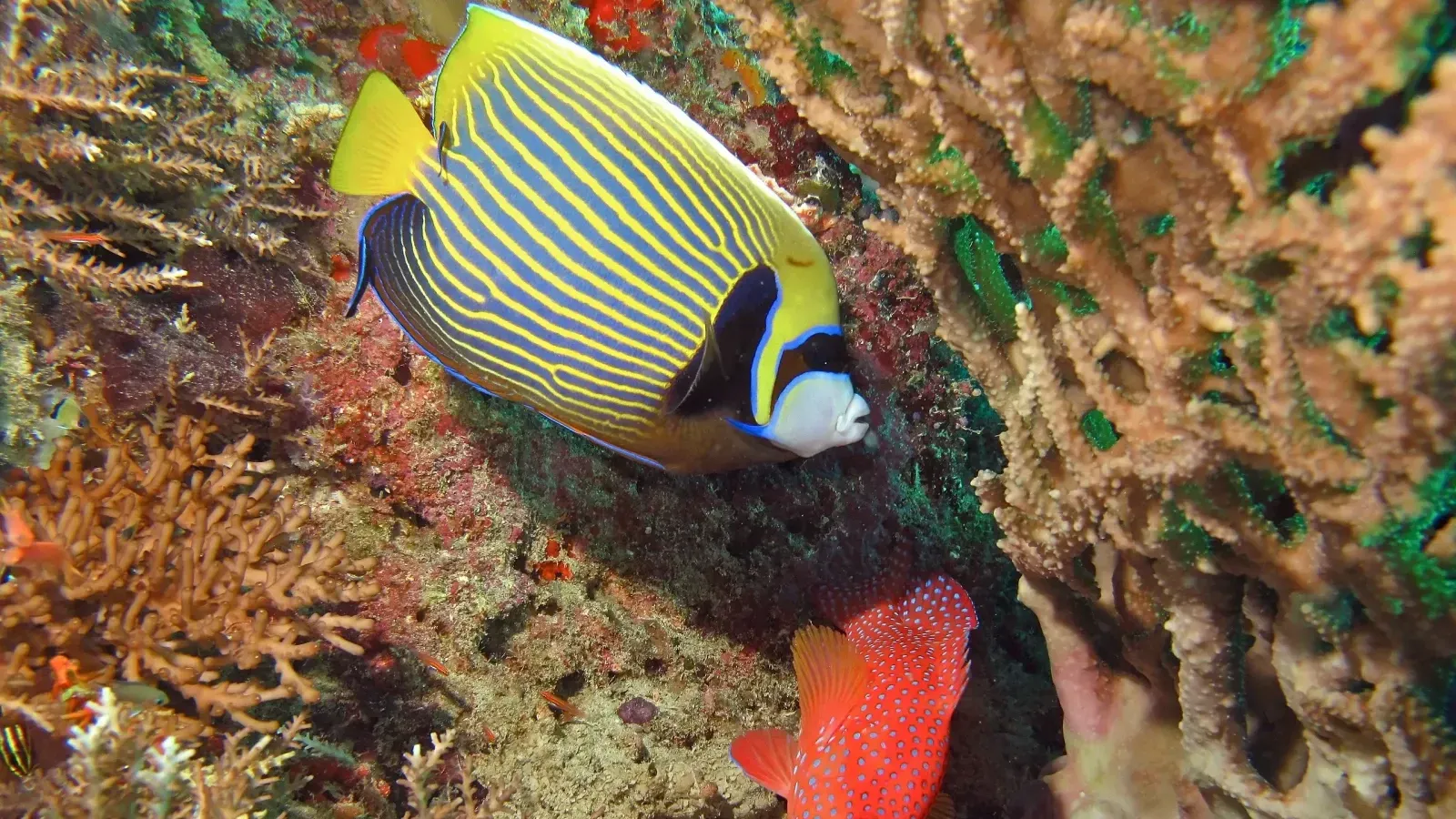
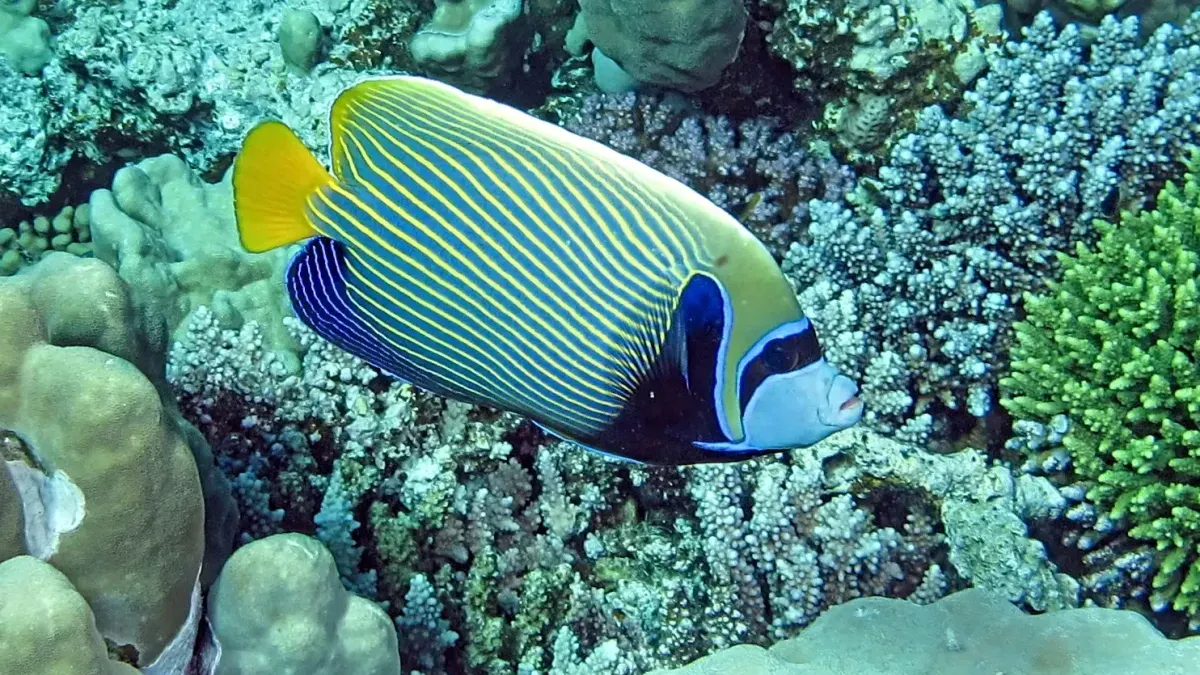
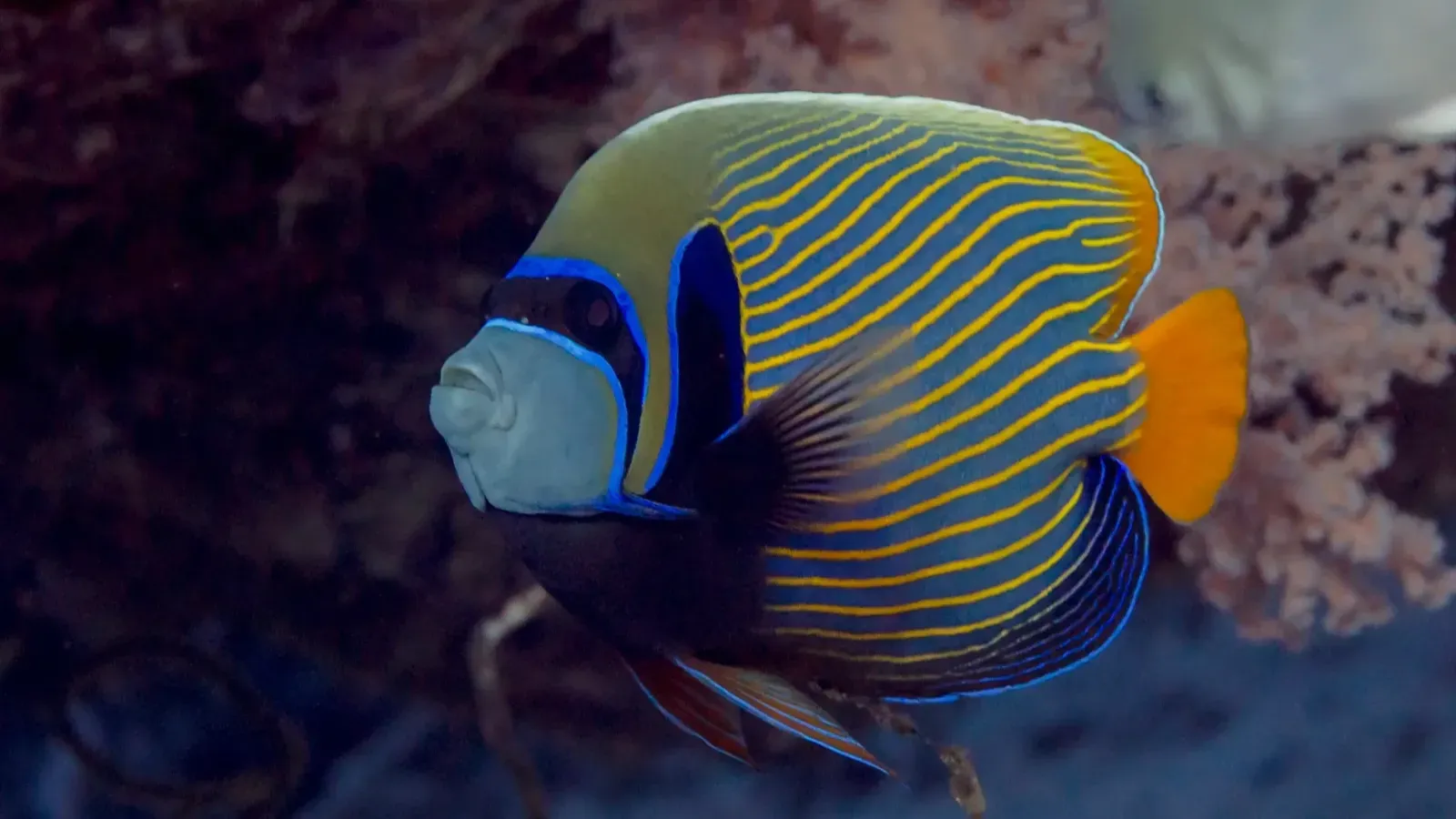
Emperor Angelfish (Pomacanthus imperator) is a beautiful sea fish of immense worth since it is vibrant and possesses a fascinating pattern. Their adults possess yellow and blue horizontal stripes and a black mask over their eyes, whereas the young ones possess a blue-and-white ringed form.
They are masculine and bigger. Emperor Angelfish are dashing, vigorous fish, adding beauty and dynamic movement to reef aquaria. Emperor Angelfish are a great option for marine aquarists as they are big, lovely, and entertaining to observe.
Origin of the Emperor Angelfish
Emperor Angelfish are found in the Indo-Pacific, their native distribution the Red Sea, East Africa, and the Great Barrier Reef. Outer reef slopes and coral lagoons are their home, normally wedged behind or within a crevice in the coral. Emperor Angelfish are sponges, algae, and small invertebrates by nature, acting as a check on the reef ecosystem. There are more and more captive-bred Emperor Angelfish appearing in the aquarium hobby.
Temperament of Emperor Angelfish
Emperor Angelfish are semi-aggressive and territorial, particularly if maintained in small aquariums or with other angelfish in a shared aquarium. They will strongly defend their territory but be tolerant of other dominant marine fishes if properly segregated. They are an extremely visually demanding centerpiece fish for large aquaria because of their confident, enquiring personality.
Emperor Angelfish Compatibility with Other Fish
The Emperor Angelfish is compatible with other large, peaceful, or semi-aggressive fish. Good tankmates include:
- Tangs, wrasses, and clownfish
- Large dottybacks and gobies
- Other non-territorial marine angelfish
Avoid keeping small peaceful fish or with very aggressive angelfish. Keeping live rock, caves, and coral structures will decrease territorial fighting.
Price Range of the Emperor Angelfish
Emperor Angelfish are fairly priced for small marine aquarium fish. They cost between ₹8,000 to ₹20,000 (US $100–250) depending on size, age, and captive-reared or wild-caught status. Juveniles are cheaper, but adults have the typical colouration that aquarists want.
Characteristics
Temperament
Aggressive
Friendly
Compatibility with other fishes
Not Friendly
Super Friendly
Habitat Size
Small
Large


Habitat Requirements of the Emperor Angelfish
Initial Setup Cost
₹10,000 - ₹30,000
Water Temperature
24º -28ºC
Water Type
Salt Water
PH Level
8.1 - 8.4
Tank Setup
- Minimum tank size: 125 gallons per adult
- Recommended: 200 gallons or more for reef or mixed-species aquariums
- Features: extensive live rock, caves, and open swim space
Water Conditions
- Temperature: 24–28°C (75–82°F)
- pH level: 8.1–8.4
- Salinity: 1.020–1.025 specific gravity
- Hardness: 8–12 dKH
Environment Needs
- Substrate: crushed coral or sand
- Decorations: live rock to graze on and hide behind
- Plants: macroalgae can be added for grazing
- Lighting: normal reef lighting to bring out colors
Essential Equipment
Water filter
Aquarium tank
Heater
Light
Substrate
Nutritional Guide of the Emperor Angelfish
Avg Monthly Expenses
₹200 - ₹ 300
Emperor Angelfish are omnivorous with a sponge, algae, and protein-based diet. Recommended foods include:
- Staple: high-quality marine angelfish pellets or flakes
- Protein: mysis shrimp, brine shrimp, or seafood chop
- Vegetables: blanched seaweed or nori sheets
Feeding tips:
- Feed 2–3 times a day, in small portions
- Adjust diet to maintain live color and well-being
- Don't use stale food to prevent water quality problems


Health & Care of the Emperor Angelfish
Common Health Issues
Fin rot
White spot / ick
Velvet disease (yellowish-brown spots on the skin)
Bacterial infections
Parasitic infections
Hole in the head disease
Signs of good health
Active
Bright coloration
Good apetite
Signs of sickness
Loss of appetite
Lethargic behaviour
Dull coloring
Tattered fins
Swimming abnormally
Common Issues of the Emperor Angelfish
Marine Ich (Cryptocaryon)
A common saltwater parasite that shows up as white spots or scratching behavior.
- Symptom: Small white dots, pale coloration, reduced appetite.
- Cure: Treat with marine-safe anti-parasitic medication and stabilize salinity.
Hole-in-the-Head Disease (HLLE)
Often linked to poor diet, activated carbon use, or water quality issues.
- Symptom: Small pits or erosions on the head and along the lateral line.
- Cure: Improve diet with vitamin-rich foods, maintain excellent water quality, and reduce stress.
Fin Damage from Aggression or Stress
Caused by fights with tank mates or a lack of hiding spaces.
- Symptom: Clamped, frayed, or torn fins; excessive hiding.
- Cure: Add more live rock/coral, reduce aggression in tank, and ensure stable water conditions.
Prerequisites for a Fish
Adequate tank space
Cleanliness
Effort & commitment
Enriching Environment
Written by
Happy Pet TeamAuthor
Team Happy Pet is a passionate collective of pet experts, enthusiasts, and advocates dedicated to sharing trusted and insightful content.
Our cont
Frequently Asked Questions
What do Emperor Angelfish eat?
They are omnivores and need a varied diet of marine algae, sponges, invertebrates, and high-quality commercial foods.
Are Emperor Angelfish suitable for beginners?
Due to their size and specific care requirements, they are best suited for advanced aquarists.
What are common health issues for Emperor Angelfish?
Common health issues include fin rot, ich, velvet disease, bacterial infections, parasitic infections, and hole in the head disease.