Home
/
Fish species
/
Eurasian Minnow
Eurasian Minnow
Origin
Europe
Northern Asia
Habitat Size
50-150 Liters
Water Type
Fresh Water
Water Temperature
10º-22ºC
Cost in India
₹80 - ₹150
Size
2 - 3 inches (Small)
Diet
Omnivore

by Happy Pet TeamUpdated on 2 Dec 2025
Eurasian Minnow Fish Guide
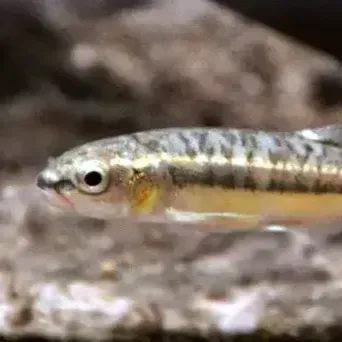
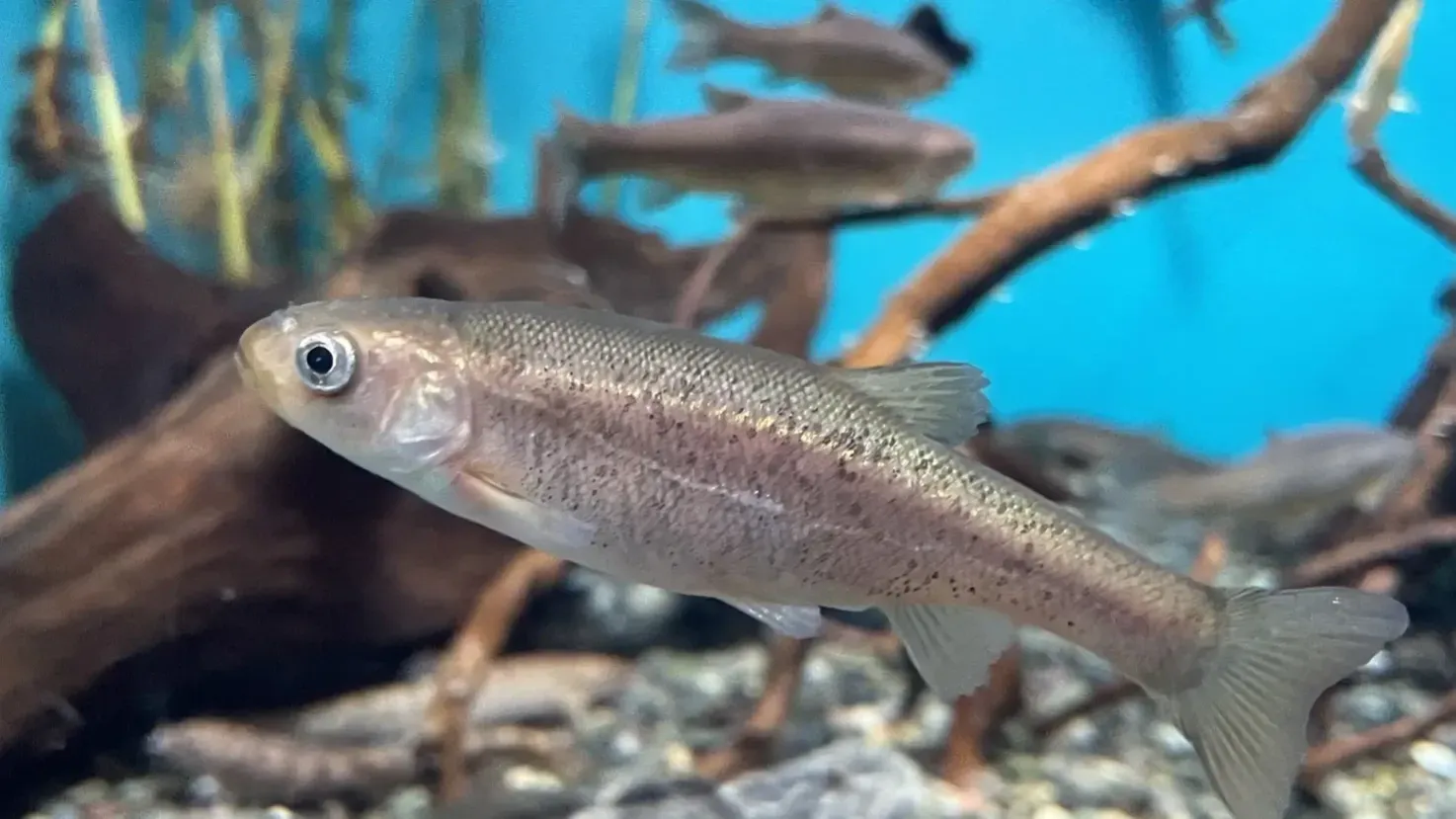
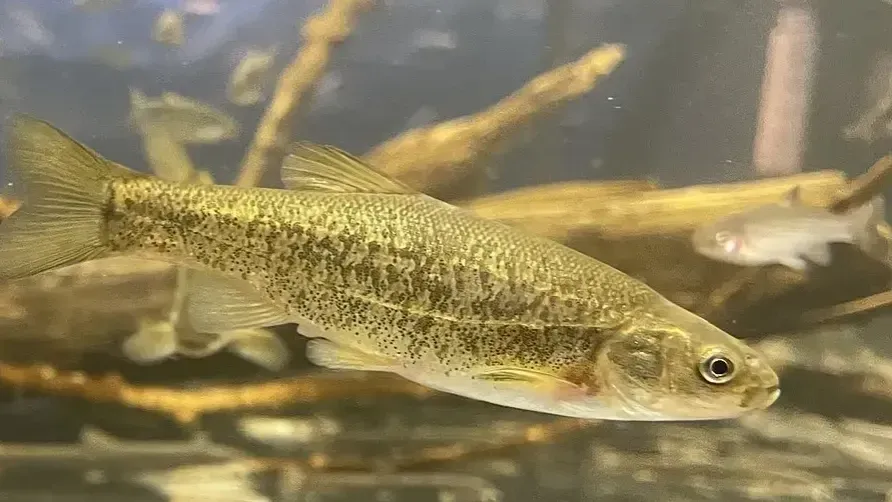
The Eurasian Minnow (Phoxinus phoxinus) is a small, friendly freshwater fish that often swims in groups. It has a slender body, shimmering scales, and is known for being active and lively. It is quite popular for study in labs and also appreciated in cool-water aquariums.
Eurasian Minnow Origin
- This fish is native to Europe and parts of Asia, found in rivers, streams, and cold lakes.
- Its formal scientific name, Phoxinus phoxinus, was given by Carl Linnaeus in 1758.
- Over time, scientists discovered that what was once thought to be one wide-ranging species is actually a group (complex) of closely related species.
Temperament
- The Eurasian Minnow is a peaceful and social fish
- It swims in schools (groups) rather than alone
- It is also quite active and enjoys swimming in flowing water
Eurasian Minnow Compatibility
Lives well with:
- Other gentle, small cold-water fish that prefer clean, cool, oxygenated water
Avoid pairing with:
- Big, aggressive fish that might chase or eat them, or fish that need very warm water
Eurasian Minnow Price Range
- In India, this is not a very common pet fish
- Approximate price might range from ₹100 to ₹300 per fish, depending on size, breeder, transport, and availability
Characteristics
Temperament
Aggressive
Friendly
Compatibility with other fishes
Not Friendly
Super Friendly
Habitat Size
Small
Large


Eurasian Minnow Habitat Requirements
Initial Setup Cost
₹4,000 - ₹12,000
Water Temperature
10º -22ºC
Water Type
Fresh Water
PH Level
6.5 - 7.5
Eurasian Minnow Tank Type
- Freshwater (not saltwater or brackish)
- Cool water system with good flow and oxygen
Aquarium Size
- For a small school (say 6–10 fish), a tank of 60 to 100 litres or more is safer, to allow room to swim
Eurasian Minnow Water Conditions
- Temperature: Around 2 °C to 20 °C exist in nature, but inside an aquarium, 10-18 °C may prove safer.
- pH: 7.0 to 7.5
- Water Hardness: Moderate or a bit hard at GH about 2-10
Environment Needs
Essential Equipment
Aquarium tank
Water filter
Heater
Light
Substrate
Decor
Eurasian Minnow Nutritional Guide
Avg Monthly Expenses
₹80 - ₹ 150
Eurasian Minnow Diet Type
- Omnivore (eats both animal and plant matter)
Suitable Foods
- Small live or frozen foods:
- Insect larvae
- Tiny crustaceans
- Daphnia
- Flake food or micro-pellets (small size)
- Occasional plant matter or algae bits
Eurasian Minnow Feeding Frequency & Tips
- Feed 1 to 2 times a day, small portions
- Give only what they can finish in a minute or two, so food doesn’t pollute the tank
- A variety of food types so they get good nutrition


Eurasian Minnow Health & Care
Common Health Issues
Fin rot
White spot / ick
Fungus
Ammonia poisoning
Bacterial infections
Parasitic infections
Signs of good health
Active
Good apetite
Bright coloration
Signs of sickness
Loss of appetite
Lethargic behaviour
Dull coloring
Frequent hiding
Swimming abnormally
Below are common diseases or health problems that Eurasian Minnows may face:
Fungal infections/External fungal growth
When water is dirty or injured, skin appears, and fungus may grow on the fish's surface. You may see cottony patches. The treatment is improving water quality, removing sick fish, and using mild antifungal fish medicines (according to instructions).
Columnaris (bacterial disease)
This causes lesions, ulcers, or grey patches on the skin and fins. If fish have infected ulcers or ragged fins, they may have Columnaris. Treat Columnaris with antibacterial medications. Also, use clean water and low-stress environments. Isolate infected fish from others.
Parasitic infestations (e.g., external parasites like ich or flukes)
Symptoms include flashing (fish rubbing sides), small white spots, or rapid breathing. Use parasite treatment dips or aquarium medicines, and ensure good water conditions. Quarantine new fish before adding them.
Eurasian Minnow General Health Tips
- Replace a portion of the tank water each week in order to maintain clean drinking water and lessen bacteria and dirt.
- Check daily for signs of fish with traits of hiding, breathing fast, and not eating. Quarantine suspicious fish immediately for close inspection.
- Rocks, plants, and driftwood offer hiding places. These additions can help fish feel secure.
- Keep the filtration good. Use a filter appropriate for tank size to maintain a clear, non-toxic environment.
Prerequisites for a Fish
Cleanliness
Adequate tank space
Effort & commitment
Enriching Environment
Written by
Happy Pet TeamAuthor
Team Happy Pet is a passionate collective of pet experts, enthusiasts, and advocates dedicated to sharing trusted and insightful content.
Our cont
Frequently Asked Questions
What do Eurasian Minnows eat?
They are omnivores and eat a variety of foods, including high-quality flake food, live or frozen foods, and blanched vegetables.
How often to clean the tank for Eurasian Minnows?
Regular water changes and maintenance are essential to keep the tank clean and the fish healthy.
What are common health issues for Eurasian Minnows?
Common health issues include fin rot, white spot, fungus, ammonia poisoning, parasitic infections, and bacterial infections.