Home
/
Fish species
/
Frontosa Cichlid
Frontosa Cichlid
Origin
South Africa
Habitat Size
150-400 Liters
Water Type
Fresh Water
Water Temperature
24º-28ºC
Cost in India
₹200 - ₹300
Size
6 - 15 inches (Medium)
Diet
Omnivore

by Happy Pet TeamUpdated on 2 Dec 2025
Frontosa Cichlid Fish Guide
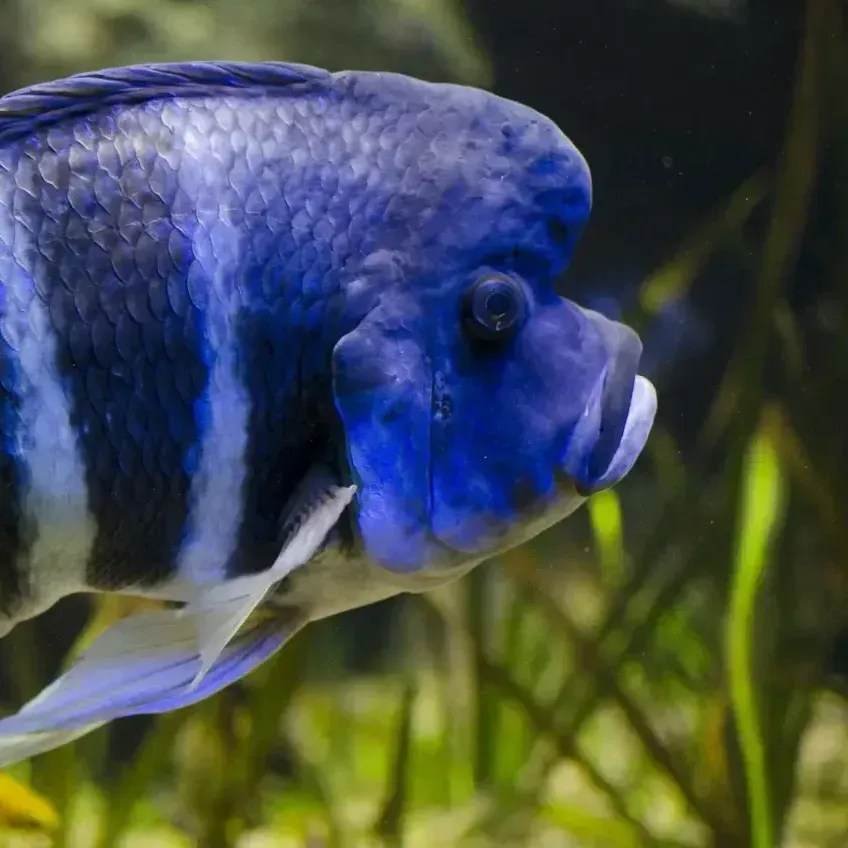
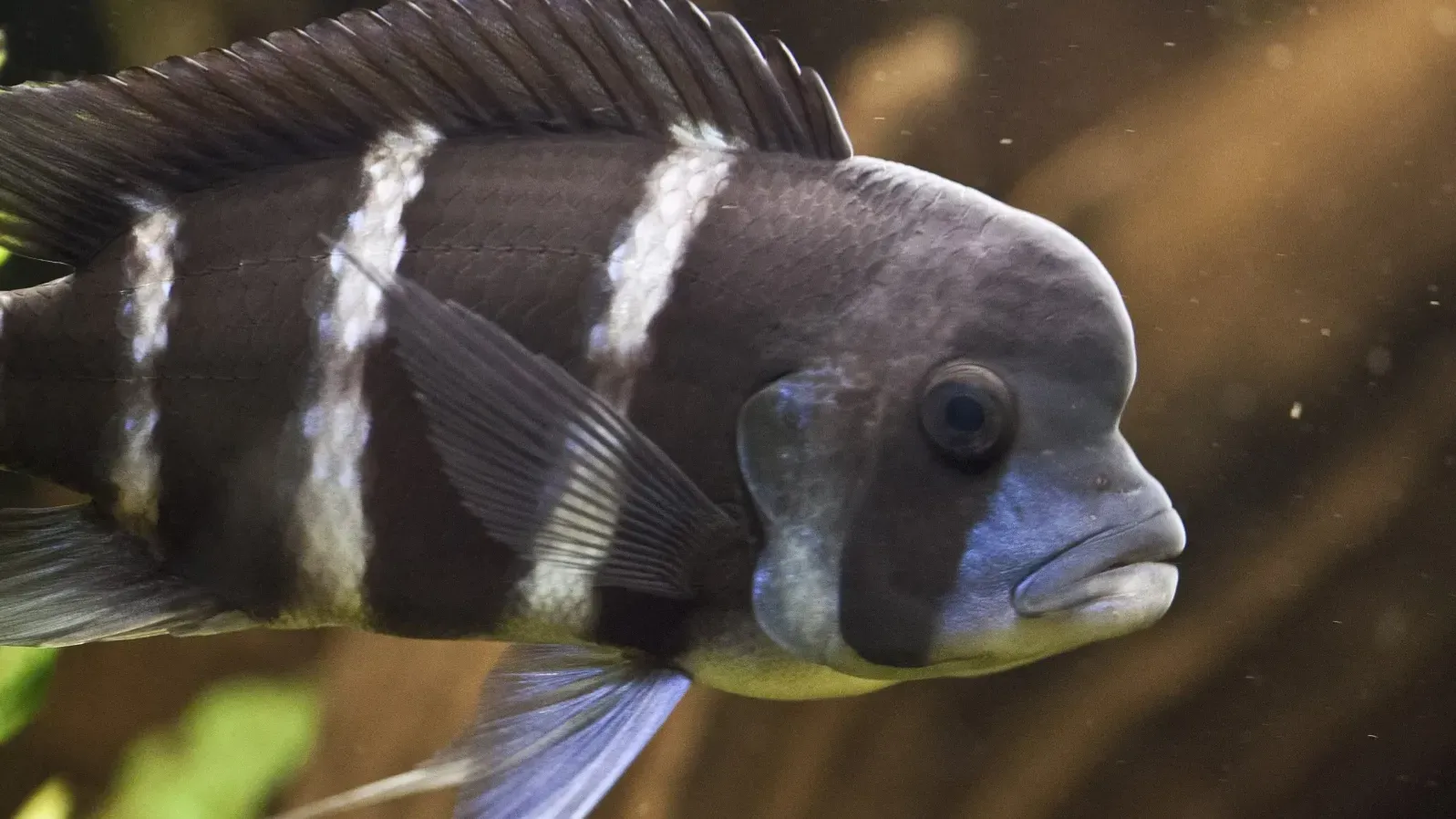
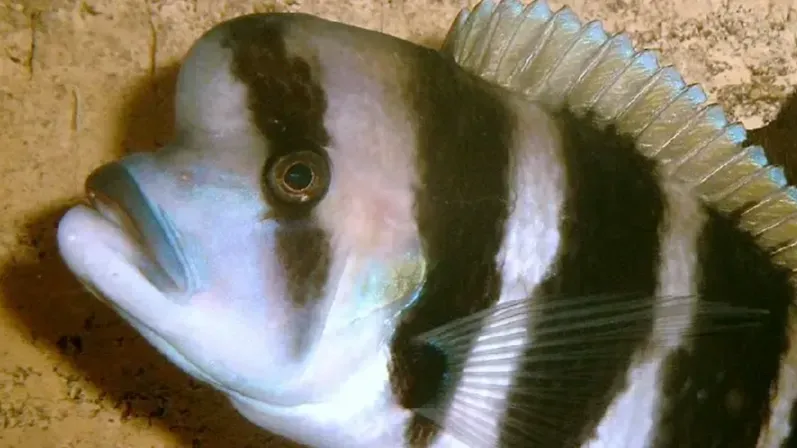
Frontosa Cichlid (scientific name Cyphotilapia frontosa) is a slow-moving, big-bodied cichlid with a rounded “hump” on its head and bold vertical stripes. It’s popular because it looks royal, acts calm compared with many cichlids, and can live a long time (20) in a well-kept tank. Frontosas are unique for their slow swimming, tall bodies, and the way they form simple groups with a clear leader.
Origin
- Comes from Lake Tanganyika in East Africa
- In the wild, they live in deep, dim water and among rocky caves. This is why they like rocks and caves in aquariums, too
Frontosa Cichlid Temperament
- Generally calm and slow-moving
- Semi-aggressive: they can be bossy, especially males, but are not nonstop fighters
- Best kept in groups so they form a pecking order rather than picking on a single tankmate
Compatibility
Good tankmates
- Other large, peaceful Tanganyikan cichlids or fish of similar size and temperament (not tiny schooling fish — those may be eaten), such as:
- Haplochromis cichlids
- Peacock cichlids
- Synodontis catfish
- Large Plecostomus catfish
- Clown Loaches
Avoid
- Very small fish, very aggressive territorial cichlids, and tiny invertebrates
Frontosa Cichlid Price in India
- Small juveniles: roughly ₹1,000–₹3,000 each
- Bigger show/rare varieties or adults: ₹3,000–₹10,000+ depending on size, color variant, and seller. Prices vary a lot by city and breeder
Characteristics
Temperament
Aggressive
Friendly
Compatibility with other fishes
Not Friendly
Super Friendly
Habitat Size
Small
Large


Frontosa Cichlid Habitat Requirements
Initial Setup Cost
₹10,000 - ₹30,000
Water Temperature
24º -28ºC
Water Type
Fresh Water
PH Level
7 - 9
Tank type
- Freshwater, lake-type (Lake Tanganyika style) with lots of rocks and caves
Frontosa Cichlid Aquarium size
- Minimum for a small group of juveniles: ~75 gallons (≈280 L)
- Best for adults or a group of 5+: 125 gallons (≈470 L) or more. They grow big and need horizontal space
Water conditions
- Temperature: 23–25 °C (75–80 °F)
- pH: 8.0–9.0 (alkaline)
- Hardness: moderately hard to hard (roughly 12–14 dGH)
- Keep water stable — Frontosas don’t like quick swings
Frontosa Cichlid Environment needs
- Lots of rockwork to build caves and hiding spots
- Coral sand or fine gravel bottom (they come from deeper lake bottoms)
- Moderate lighting (they come from relatively dim, deep water)
- Strong, efficient filtration and regular water changes to keep the water very clean
Essential Equipment
Aquarium tank
Water filter
Heater
Light
Substrate
Frontosa Cichlid Nutritional Guide
Avg Monthly Expenses
₹200 - ₹ 300
Diet type
- Primarily carnivorous/piscivorous (meat-eating), but will accept varied foods
Frontosa Cichlid Suitable foods
- High-quality pellets formulated for cichlids (meaty pellets)
- Frozen or live foods: krill, mysis shrimp, chopped fish, or krill-based frozen mixes
- Occasional treats: silversides or earthworms (use sparingly)
- Avoid overfeeding with fatty foods — balance is key
Feeding frequency & tips
- Feed juveniles 2 times a day; adults once a day or every other day
- Portion control: give only what they finish in a couple of minutes
- Rotate foods (pellets + frozen) to give vitamins and keep them healthy
- Remove uneaten food fast so water stays clean


Frontosa Cichlid Health & care
Common Health Issues
Fin rot
Pop eye (swollen eyes)
White spot / ick
Bacterial infections
Parasitic infections
Swim bladder disease
Signs of good health
Active
Bright coloration
Good apetite
Signs of sickness
Loss of appetite
Lethargic behaviour
Dull coloring
Tattered fins
Swimming abnormally
Frontosa Cichlids are generally sturdy but can get sick if the water is dirty, the temperature or pH changes too quickly, or if they are stressed by bullying. Three common Frontosa Cichlid diseases are as follows:
Ich (White Spot Disease)
Ich looks like tiny white salt grains on the fish’s body and fins. Infected fish may scratch against rocks, breathe fast, or hide. Treatment is usually raising the temperature a little (carefully), adding recommended anti-ich medication, and doing regular water changes. Quarantine the sick fish if possible and keep the tank water clean to help with recovery.
Hole-in-the-Head (HITH)
This shows as small pits or holes near the head and along the lateral line. It’s linked to poor water, low vitamins, or parasites. Improve water quality, feed vitamin-rich foods, and consult a fish vet or experienced keeper for anti-parasite or medicated treatments. Prevention is steady water care and good nutrition.
Bacterial infections / Fin rot
Symptoms include ragged fins, reddened areas, or ulcers. These come from poor water or injuries. Treat with clean water, antibacterial medicines when needed, and remove any aggressive tankmates that nip fins. Fast action and improved tank hygiene usually fix the problem.
Frontosa Cichlid General Health Tips
- Keep water stable and clean; test pH, temp, and hardness regularly
- Quarantine new fish for 2–4 weeks
- Feed a mix of pellets and frozen meaty foods, and avoid overfeeding
- Watch behavior and color changes daily — early detection helps a lot
Prerequisites for a Fish
Adequate tank space
Cleanliness
Effort & commitment
Enriching Environment
Written by
Happy Pet TeamAuthor
Team Happy Pet is a passionate collective of pet experts, enthusiasts, and advocates dedicated to sharing trusted and insightful content.
Our cont
Frequently Asked Questions
What do Frontosa Cichlids eat?
They are carnivores and should be fed high-quality cichlid pellets, live or frozen foods such as krill and shrimp, and occasionally small fish.
Do Frontosa Cichlids need a heater?
Yes, maintaining a stable water temperature between 24°C and 28°C typically requires a heater.
What are common health issues in Frontosa Cichlids?
Common issues include fin rot, pop eye, white spot/Ich, bacterial infections, parasitic infections, and swim bladder disease.