Home
/
Fish species
/
Giant Gourami
Giant Gourami
Origin
South East Asia
Habitat Size
400-600 Liters
Water Type
Fresh Water
Water Temperature
22º-28ºC
Cost in India
₹300 - ₹500
Size
18 - 36 inches (Large)
Diet
Omnivore

by Happy Pet TeamUpdated on 10 Nov 2025
Introduction of the Giant Gourami
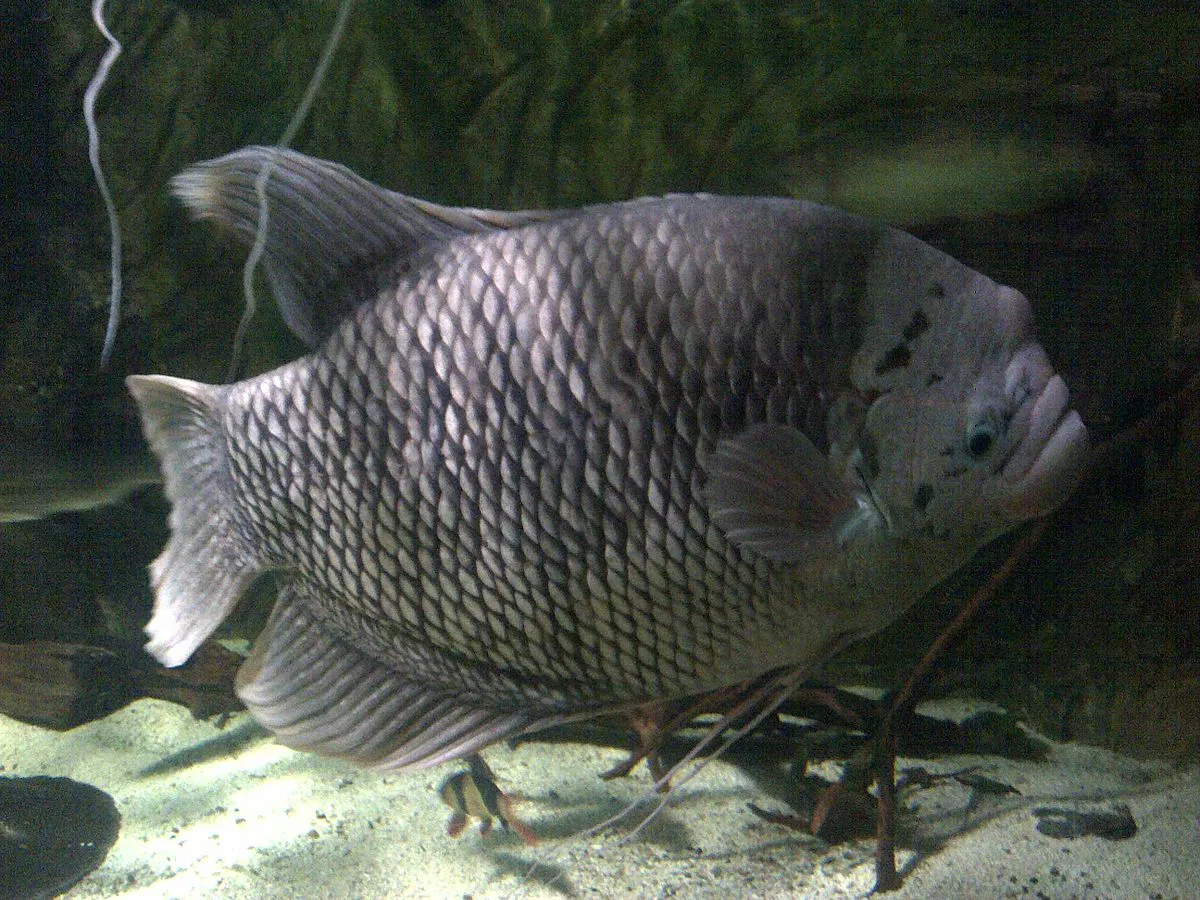
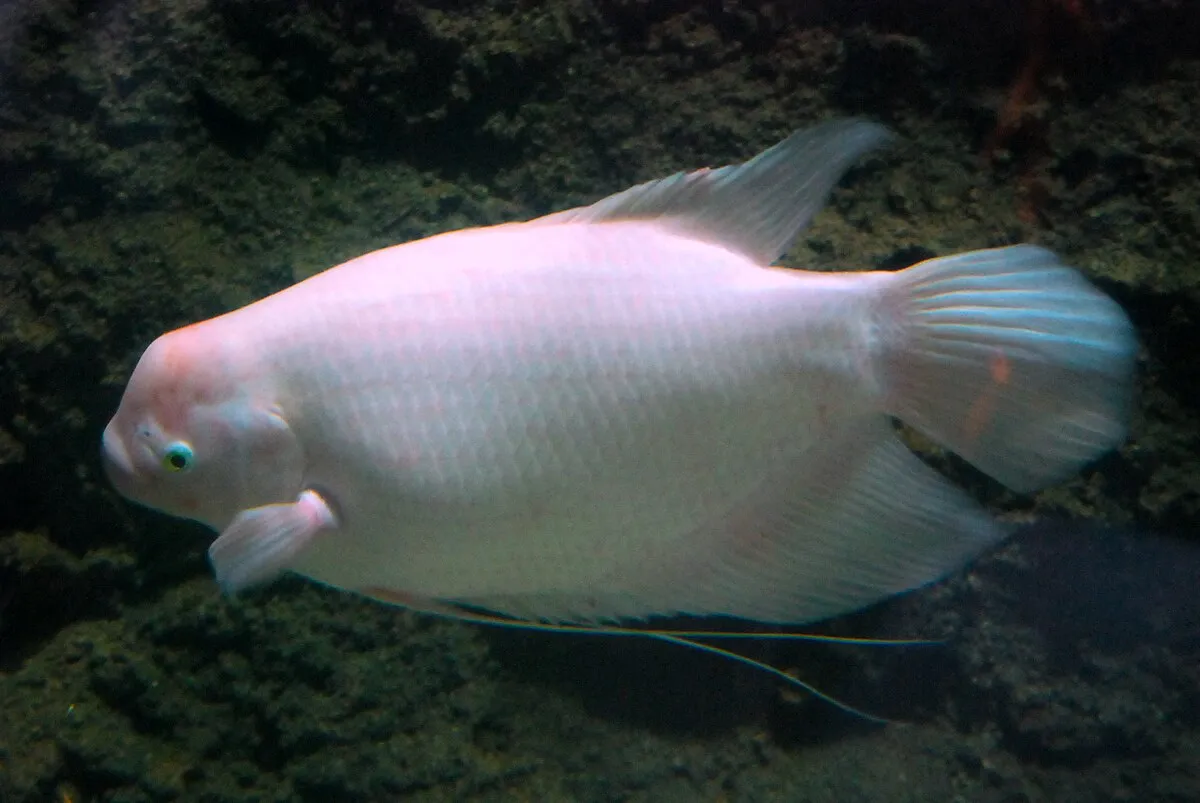
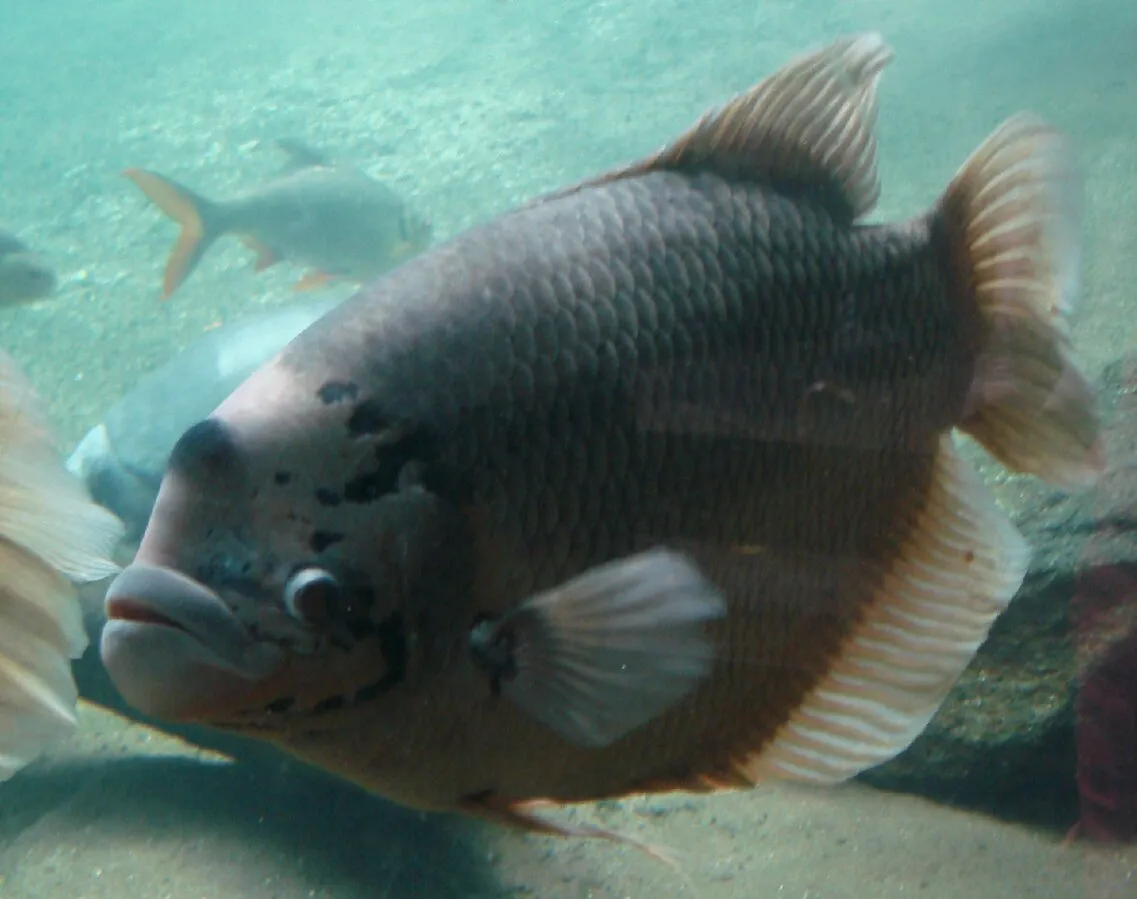
Giant Gourami (Osphronemus goramy) is a larger and more intelligent freshwater aquarium fish species. Characterized by its stout body, fleshy lips, and curious but non-aggressive behavior, the fish can grow over 20 inches long in the home aquarium.
Renowned for recognizing their owners and stealing food from their hands as well, Giant Gouramis are the favorite of aquarists among those who prefer interactive fish. But being such big fish, they need big tanks and experienced handling.
Origin of the Giant Gourami
Native to Southeast Asia, the Giant Gourami inhabits rivers, lakes, and floodplains of Indonesia, Thailand, Cambodia, and Malaysia. They are low-oxygen tolerant and can breathe atmospheric air through their labyrinth organ — much like Bettas.
They are also farmed as a food fish in most regions, but in home tanks as an aquarium fish, they are appreciated for their intelligence, durability, and personality.
Temperament of the Giant Gourami
Giant Gouramis are also calm in nature, especially when young. They become territorial when they mature and become aggressive towards other fish of the same gender, especially other male gouramis.
They aren't overly active swimmers and mostly spend time patrolling their territory and keeping an eye on what happens outside of their tank. They are such an easy fish to observe and hang out with because they are so laid-back — they even get used to the owners eventually.
Compatibility of Giant Gourami with Other Fish
Giant Gouramis are compatible with:
- Silver Dollars
- Plecos
- Big Barbs
- Clown Loaches
- Bichirs
Avoid keeping small or nippy fishes such as Tiger Barbs or Cichlids that will attack the fins or fight. Keep them apart or in a big tank with similarly sized fishes.
Price Range of the Giant Gourami
The Giant Gourami is moderately priced and ubiquitous. Juveniles in India tend to be priced between ₹400–₹1000 ($6–$12), keeping size and color variety (albino and gold varieties) in view.
Characteristics
Temperament
Aggressive
Friendly
Compatibility with other fishes
Not Friendly
Super Friendly
Habitat Size
Small
Large


Habitat Requirements of the Giant Gourami
Initial Setup Cost
₹30,000 - ₹80,000
Water Temperature
22º -28ºC
Water Type
Fresh Water
PH Level
6.5 - 7.5
Tank Setup
- Tank Type: Freshwater
- Minimum Tank Size: 200 gallons for adult
- Substrate: Fine sand or smooth gravel
- Decor: Driftwood, large rocks, and sturdy plants
- Lighting: Moderate, with shaded spots
Water Conditions
- Temperature: 24–30°C (75–86°F)
- pH Level: 6.5–8.0
- Water Hardness: 5–20 dGH
Environment Requirements
Provide open swimming space and good filtration. As they are air-breathing, leave a small gap at water level to the tank lid. Provide floating plants or low light to calm them down.
Essential Equipment
Aquarium tank
Water filter
Heater
Light
Substrate
Nutrition Care of the Giant Gourami
Avg Monthly Expenses
₹300 - ₹ 500
Giant Gouramis are omnivorous and love plant and animal foods.
Recommended Foods:
- Float sticks or pellets for large fish.
- Blanched spinach, lettuce, or peas.
- Live or frozen foods such as prawns, worms, or insects.
- Melon or banana fruit (at times).
Feeding Instructions:
- Feed once or twice a day in moderate amount.
- Remove leftovers to avoid fouling of water.
- Give vegetable matter occasionally to prevent digestive disorders.


Health
Common Health Issues
Fin rot
White spot / ick
Velvet
Bacterial infections
Swim bladder inflammation
Fungal infections
Signs of good health
Active
Bright coloration
Good apetite
Signs of sickness
Loss of appetite
Frequent hiding
Lethargic behaviour
Dull coloring
Tattered fins
Common Problems of the Giant Gourami
Hole-in-the-Head Disease
A parasitic or bacterial infection linked to low water quality and vitamin deficiency.
- Symptom: Tiny pinpricks of holes in the head or lateral line.
- Treatment: Vitamin addition to food and frequent, large water changes.
Bloat (Dropsy)
Secondary to bacterial infection or overfeeding.
- Symptom: Standing scales and rounded body.
- Treatment: Isolate affected fish, feed peas to be broken down, and treat with antibacterial.
Fungal Infection
Most often following trauma or filthy conditions.
- Symptom: White, cottony growth on body or fins.
- Treatment: Antifungal drug and better tank cleanliness.
Prerequisites for a Fish
Adequate tank space
Cleanliness
Effort & commitment
Enriching Environment
Written by
Happy Pet TeamAuthor
Team Happy Pet is a passionate collective of pet experts, enthusiasts, and advocates dedicated to sharing trusted and insightful content.
Our cont
Frequently Asked Questions
What size do a Giant Gourami get?
They reach 18–20 inches in aquariums and over 24 inches in the wild.
Will they keep with other fishes?
Yes, but only with same-temperament and same-size fishes.
How long will Giant Gouramis live?
With good care, they'll live 15–20 years or more.
Will they need a heater?
Yes, if under 24°C room temperature.
Are Giant Gouramis suitable for beginners?
They're robust but better suited to experienced aquarists due to their size and space requirements.