Home
/
Fish species
/
Green Terror Cichlid
Green Terror Cichlid
Origin
South America
Habitat Size
150-400 Liters
Water Type
Fresh Water
Water Temperature
22º-28ºC
Cost in India
₹200 - ₹300
Size
6 - 18 inches (Medium)
Diet
Omnivore

by Happy Pet TeamUpdated on 2 Dec 2025
Introduction of the Green Cichlid
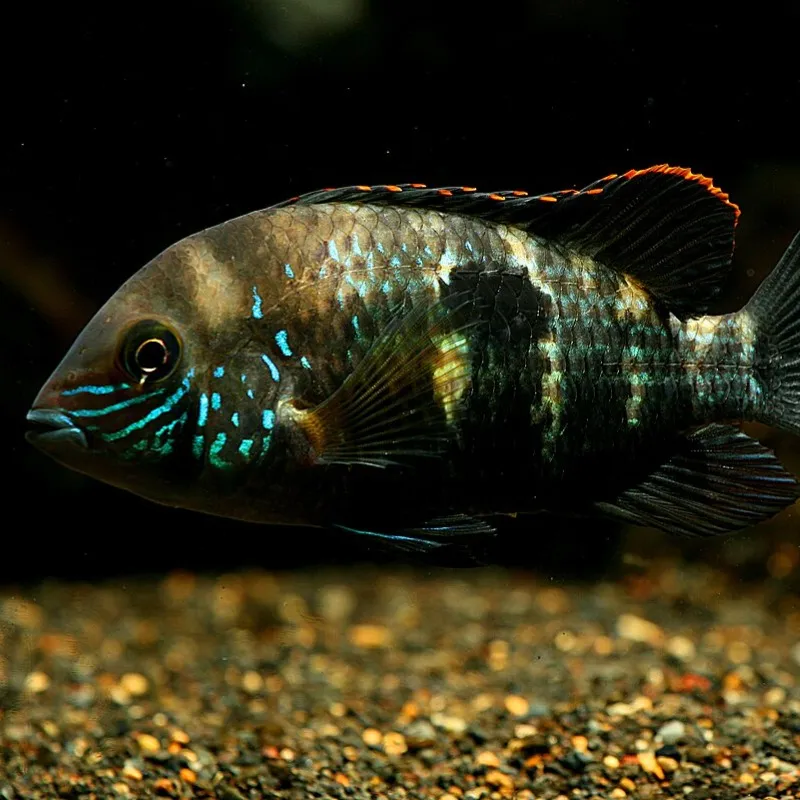
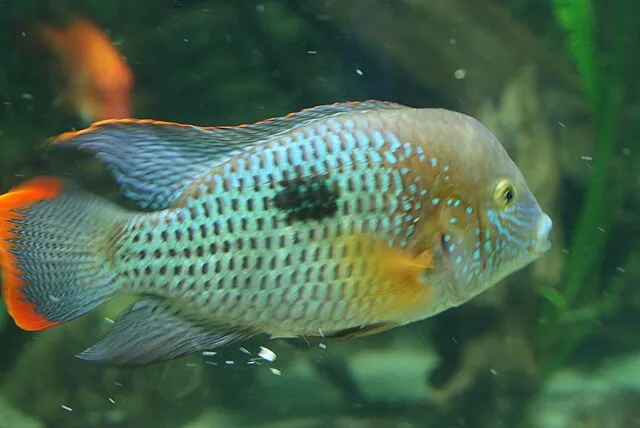
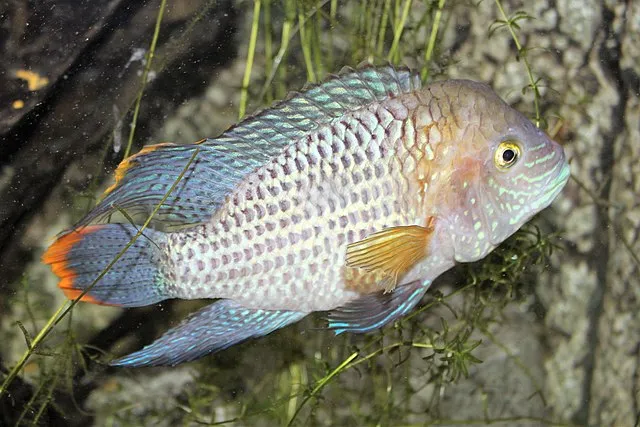
Green Terror Cichlid (Andinoacara rivulatus) is a beautiful freshwater fish that gets its common name from its bright metallic blue and green coloration and aggressive personality. The creature is believed to be beautiful but feared for the same reason, so they are not an easy but rewarding option for aquarists. Males are bigger and more colored, typically sporting a nuchal hump on the forehead, and females are smaller and less colored.
These cichlids are intelligent, social, and highly active but not suitable for community tanks with fragile fish. They require special attention and the right environment to exhibit their full potential in the aquarium.
Origin of the Green Terror Cichlid
Green Terror Cichlid is indigenous to the river basins of Ecuador and Peru in South America. Green Terror Cichlids normally live in slow rivers and streams with sandy or muddy bottoms, where they nest amidst surrounded submerged plants, boulders, and wood. The Green Terror Cichlid naturally flourishes in warm water with consistent conditions, and this must be simulated in the aquarium if their well-being is to be guaranteed.
Temperament of Green Terror Cichlid
Like their name suggests, Green Terror Cichlids are nasty and territorial, particularly while breeding. They will strongly defend their territories, which they arrange in the tank. While they do come to recognize their owners and even play with individuals outside the tank, it is their nastiness with tank inhabitants that makes planning necessary.
Green Cichlid Compatibility with Other Fish
Green Terror Cichlids can be kept with other large, semi-aggressive fishes that will hold their own. Some of the good tank mates include:
- Oscars
- Jack Dempseys
- Plecos and large catfish
- Silver dollars
For small or shy fishes such as guppies, tetras, or angelfish, avoid them since they will be bullied or eaten. For breeding, a pair should be kept in a species-only tank to prevent fighting.
Price Range of the Green Terror Cichlid
- Green Terror Cichlids are not very costly and quite common. They are priced between ₹800–₹1,500 (US $10–20) in any pet store, depending on age, size, and color. Well-colored, large males are more pricey.
Characteristics
Temperament
Aggressive
Friendly
Compatibility with other fishes
Not Friendly
Super Friendly
Habitat Size
Small
Large


Habitat Requirements of the Green Cichlid
Initial Setup Cost
₹10,000 - ₹30,000
Water Temperature
22º -28ºC
Water Type
Fresh Water
PH Level
6.5 - 8
Tank Setup
- Minimum capacity tank: 55 gallons for a single adult
- Recommended: 75–100 gallons for a pair or community aquarium
- Must have: strong filter and open swimming space
Water Conditions
- Temperature: 22–28°C (72–82°F)
- pH level: 6.5–8.0
- Hardness: 5–20 dH
Environment Requirements
Green Terrors prefer to reorganise their surroundings. Offer:
- Sandy substrate to dig in
- Driftwood, caves, and rocks to hide and mark territory
- Java fern or Anubias (for digging tolerance) hardy plants
- Moderate light, no special needs
Essential Equipment
Aquarium tank
Water filter
Heater
Light
Substrate
Nutritional Guide for the Green Cichlid
Avg Monthly Expenses
₹200 - ₹ 300
Green Terror Cichlids are protein-dominant omnivores. Offer them:
- Staple: high-quality cichlid sticks or pellets
- Protein: frozen or live foods such as krill, shrimp, earthworms, and bloodworms
- Vegetables: peas, spinach, zucchini, or spirulina-based foods to balance
Feeding instructions
- Feed 1–2 times daily
- Vary to ensure intense coloration
- Do not overfeed to prevent water pollution


Health & Care of the Green Cichlid
Common Health Issues
Fin rot
White spot / ick
Hole in the head disease
Swim bladder inflammation
Bacterial infections
Parasitic infections
Signs of good health
Active
Bright coloration
Good apetite
Signs of sickness
Loss of appetite
Lethargic behaviour
Dull coloring
Tattered fins
Swimming abnormally
Common Issues in Cichlids
Ich (White Spot Disease)
Ich is a parasitic condition that appears as tiny white cysts on the skin and fins.
- Possible Symptoms: White patches or spots, rapid gill movement, scratching against objects.
- Cure: Raise tank temperature slightly and treat with an anti-parasitic medication. Quarantine fish if symptoms persist.
Hole-in-the-Head Disease
This disease is often linked to poor water quality, nutritional deficiencies, or parasites, leading to lesions around the head.
- Possible Symptom: Hollow stomach, sunken head lesions, loss of appetite.
- Cure: Improve diet with vitamin-rich foods, maintain pristine water quality, and use specialized medications if necessary.
Fin Rot or Bacterial Infections
These infections are caused by stress, overcrowding, or poor water conditions.
- Possible Symptom: Frayed fins, dull coloration, or lethargy.
- Cure: Use antibacterial treatments, improve filtration, and perform regular water changes to prevent recurrence.
Prerequisites for a Fish
Adequate tank space
Cleanliness
Effort & commitment
Enriching Environment
Written by
Happy Pet TeamAuthor
Team Happy Pet is a passionate collective of pet experts, enthusiasts, and advocates dedicated to sharing trusted and insightful content.
Our cont
Frequently Asked Questions
Do Green Terror Cichlids require any special tank setup?
Yes, they require a tank with plenty of rocks, driftwood, and hiding places. A powerful filter is essential to maintain water quality, and a heater is needed to keep the water temperature stable.
What are common health issues for Green Terror Cichlids?
Common health issues include fin rot, white spot/ick, hole in the head disease, bacterial infections, parasitic infections, and swim bladder disease. Regular monitoring and maintenance of water quality can help prevent these issues.
Are Green Terror Cichlids aggressive?
Yes, Green Terror Cichlids are known for their territorial and aggressive behavior, particularly during breeding periods. They may not be compatible with all tank mates.