Home
/
Fish species
/
Hooded shrimp
Hooded shrimp
Origin
Australia
Indonesia
Indo-Pacific
Habitat Size
20-50 Liters
Water Type
Brackish
Water Temperature
22º-26ºC
Cost in India
₹50 - ₹100
Size
1.5 - 2 inches (Nano)
Diet
Omnivore

by Happy Pet TeamUpdated on 11 Nov 2025
Introduction to Hooded Shrimps
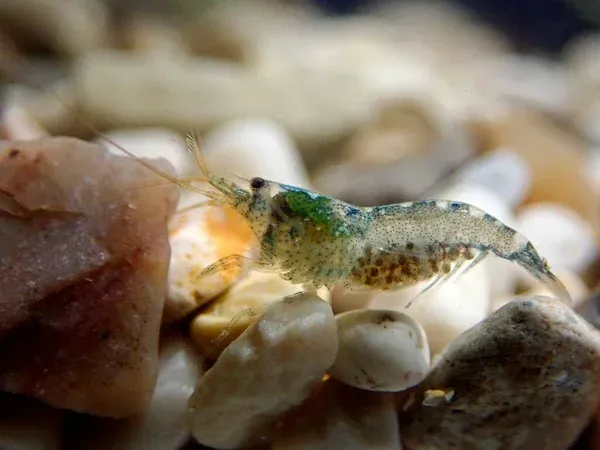
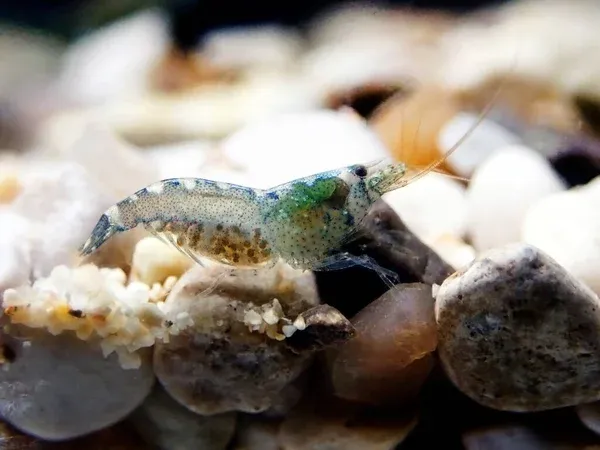
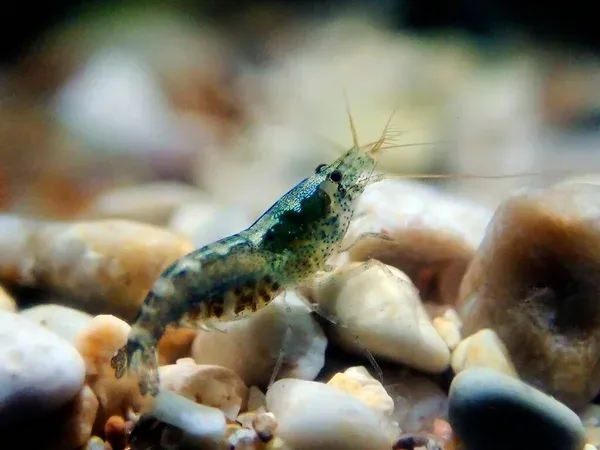
Hooded shrimp (Cumacea) are small marine crustaceans admired and known for their distinctive hood-like carapace covering the thorax. They can be found in soft-bottom habitats like mud or sand and in shallow offshore waters. They are also known as Comma Shrimp. The body of this shrimp is unique in nature because of its cloaked appearance, flexible abdomen, and a forked tail. They are found in oceans worldwide, from shallow coastal areas to deep seas.
What is the hooded shrimp size?
They grow anywhere between 1 to 10 millimetres (close to 0.04 inches). The size can go up to 30 millimetres as well in cold or deep-water regions.
What is the lifespan of a Hooded Shrimp?
The average lifespan of this species is one year or less. They might live longer if the water conditions are good and favourable.
Can Hooded Shrimp be bought in India?
Hooded Shrimp is offered at aquarium stores and online sellers, usually costing ₹150–₹250.
Characteristics
Temperament
Aggressive
Friendly
Compatibility with other fishes
Not Friendly
Super Friendly
Habitat Size
Small
Large


Habitat Requirements for Hooded Shrimp
Initial Setup Cost
₹3,000 - ₹6,000
Water Temperature
22º -26ºC
Water Type
Brackish
PH Level
6.5 - 7.5
The comma shrimp are marine creatures and require favourable living conditions for longer life expectancy. Below are the habitat requirements they must fulfill.
Essential Equipment
Aquarium tank
Water filter
Heater
Light
Substrate
Decor
Diet & Feeding Behaviour for Hooded Shrimp
Avg Monthly Expenses
₹50 - ₹ 100
Hooded shrimp, often known as Southern hooded shrimp, are detritivores/ filter feeders/ sediment feeders (depending on species). They feed primarily on organic matter, microorganisms, and detritus from the substrate.
They feed by taking advantage of organic inputs and sedimentary food sources. Because many are small and live in substrate or mud, they pick up food from their immediate environment rather than foraging widely.


Health
Common Health Issues
Fungus
Bacterial infections
White spot / ick
Ammonia poisoning
Columnaris (cotton wool-like growth on the skin)
Parasitic infections
Signs of good health
Active
Bright coloration
Good apetite
Signs of sickness
Loss of appetite
Lethargic behaviour
Dull coloring
White growths
Increased breathing rate
Hooded shrimp require good care to stay in the best of their health. The key factors affecting their health are -
- Water quality fluctuations: They are sensitive to pollution, low oxygen, and sediment disturbance.
- Predation: Being small and often buried helps, but exposure (e.g. by disturbed substrate) increases risk.
- Food scarcity: In captivity or in disturbed habitats, they struggle to source food.
Prerequisites for a Fish
Adequate tank space
Cleanliness
Effort & commitment
Enriching Environment
Written by
Happy Pet TeamAuthor
Team Happy Pet is a passionate collective of pet experts, enthusiasts, and advocates dedicated to sharing trusted and insightful content.
Our cont
Frequently Asked Questions
Are hooded shrimp known as prawns?
Hooded shrimp are not known as prawns. They are often known as comma shrimp or Cumacea.
Are Hooded Shrimp good for home aquariums?
They are not commonly kept as display aquarium species, as extreme care has to be taken of the shrimp.
How long do Hooded Shrimp live?
Their average life span is 1 year or less.
Where are Hooded Shrimp naturally found?
They are found across global marine environments such as soft-bottom (sand, mud) substrates in shallow coastal waters to deeper seas.
What do Hooded Shrimp eat in the wild?
Hooded Shrimp mainly feed on detritus, organic matter, and microorganisms within sandy or muddy substrates.