Home
/
Fish species
/
Horseface Loach
Horseface Loach
Origin
South East Asia
Habitat Size
150-400 Liters
Water Type
Fresh Water
Water Temperature
24º-28ºC
Cost in India
₹200 - ₹300
Size
6 - 18 inches (Medium)
Diet
Omnivore

by Happy Pet TeamUpdated on 2 Dec 2025
Introduction of the Horseface Loach
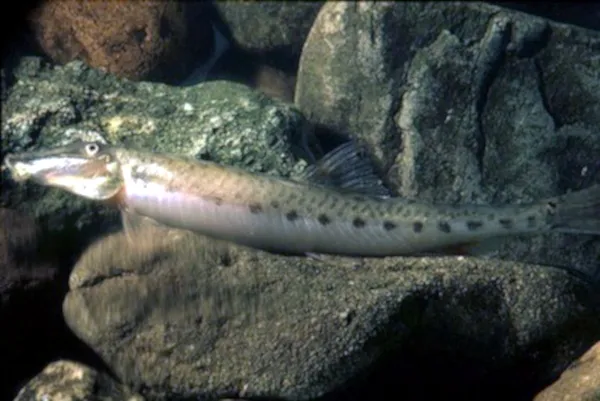
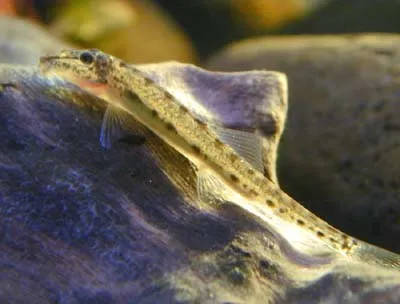
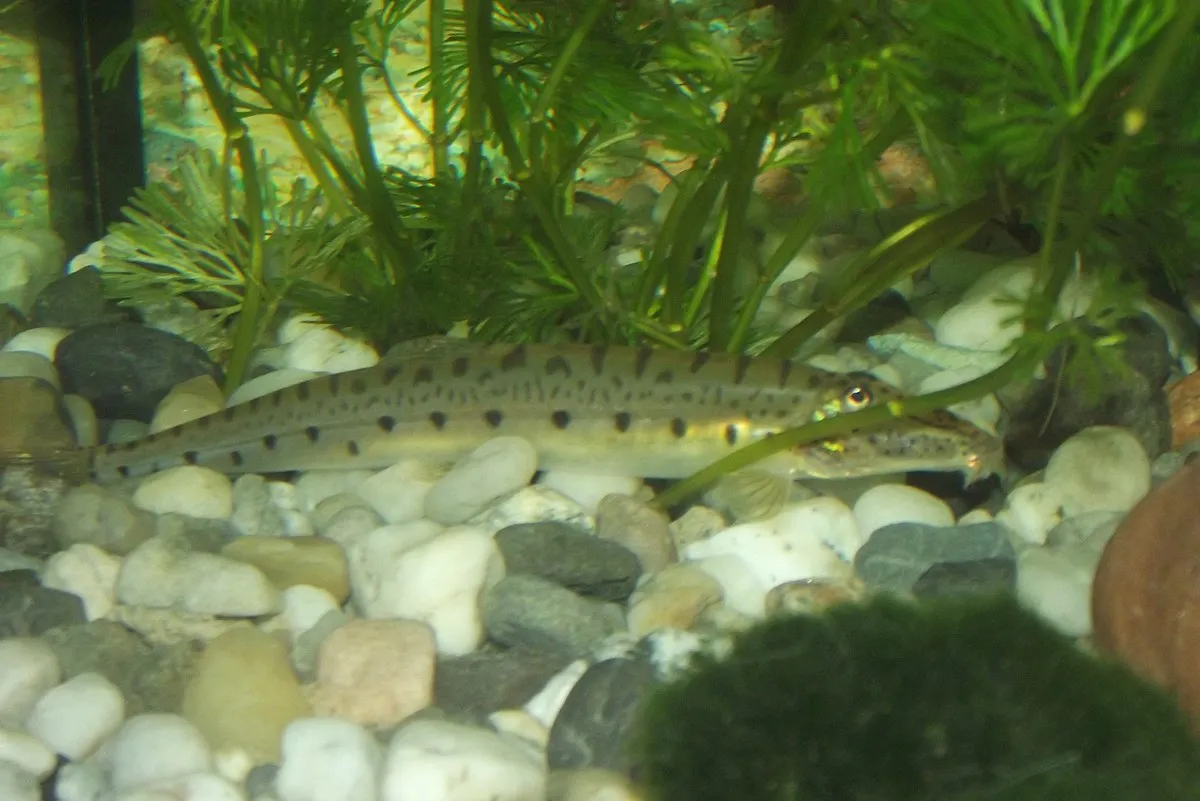
Horseface Loach (Acantopsis dialuzona) is a fascinating freshwater fish that was given their common name from their horse-shaped snout. With being also a burrower and a peaceful creature, this loach adds both personality and utility to aquariums by plowing the substrate and harassing problem species like snails. While not as showy as most other tropical fish, their bizarre shape and odd behavior patterns make them a suitable addition for advanced aquarists.
Origin of the Horseface Loach
The Southeast Asian Origin Horseface Loaches live in sandy bottoms, streams, and rivers. The Horseface Loach is a bottom dweller and they will be in sand for most of the time, but with their eyes poking out. The wild Horseface Loaches feed on small invertebrates and detritus and the aquarists must mimic this with a protein-based diet.
Temperament of the Horseface Loach
Horseface Loaches are timid and gentle. They prefer to be maintained in groups of 4–6, which reduces stress and provokes natural behavior. Though generally not aggressive, they will fight slower fish for bottom tank food.
Horseface Loach Compatibility with Other Fish
Horseface Loaches may be held in community aquaria with other peaceful fish such as:
- Tetras, rasboras, and danios
- Corydoras and other peaceful catfish
- Dwarf gouramis
- Other loaches such as Kuhli Loach
Do not keep them with:
- Aggressive cichlids
- Extremely small fish (risk of accidental predation)
- Large predatory predators
Price Range of the Horseface Loach
The Horseface Loaches are moderately valued, generally costing between ₹300–₹800 ($4–$10) based on size. They keep their price low because they are relatively more readily available in the aquarium trade.
Characteristics
Temperament
Aggressive
Friendly
Compatibility with other fishes
Not Friendly
Super Friendly
Habitat Size
Small
Large


Habitat Needs of the Horseface Loach
Initial Setup Cost
₹10,000 - ₹30,000
Water Temperature
24º -28ºC
Water Type
Fresh Water
PH Level
6 - 7
Tank Setup
- Minimum tank size: 40 gallons
- Groups should be kept in larger tanks (55+ gallons)
- Provide open swimming space and soft sandy substrate
Water Parameters
- Temperature: 23–28°C (74–82°F)
- pH: 6.5–7.5
- Hardness: 5–12 dGH
Environment Requirements
- Substrate: burrowing sand that is fine
- Plants: hardy plants such as Java fern, Anubias, Vallisneria
- Décor: smooth rocks, driftwood, caves
- Lighting: dim to moderate, as they prefer subdued environments
Essential Equipment
Aquarium tank
Water filter
Heater
Light
Substrate
Horseface Loach Nutritional Guide
Avg Monthly Expenses
₹200 - ₹ 300
Horseface Loaches are omnivorous but have a strong preference for protein:
- Staple: Sinking pellets or wafers
- Protein: Bloodworms, brine shrimp, tubifex, daphnia
- Vegetables: Blanched cucumber, spinach, or zucchini
Feeding Tips:
- Feed once or twice a day, ensuring getting food down to the bottom
- Offer live or frozen foods as stimulation
- Avoid overfeeding as they easily gain weight in captivity


Health & Care of the Horseface Loach
Common Health Issues
White spot / ick
Fin rot
Velvet disease (yellowish-brown spots on the skin)
Bacterial infections
Parasites
Swim bladder disease
Signs of good health
Active
Bright coloration
Good apetite
Signs of sickness
Loss of appetite
Lethargic behaviour
Dull coloring
White growths
Frequent hiding
Common Problems of the Horseface Loach
Skinny Disease (Internal Parasites)
A common issue in loaches because of worms within.
- Symptoms: Weight loss despite eating, hollow stomach, loss of appetite.
- Treatment: Cure with anti-parasite medication (levamisole or praziquantel), proper quarantine of new fish
Gill Flukes
Parasitic flatworms that kill gills and hinder respiration.
- Symptoms: Surface gasping, rubbing on objects, hyperactive gill movement
- Treatment: Treat with antiparasitic drug like praziquantel; improve oxygenation and supply clean water
Burrowing Injuries
Caused by rough substrate or sharp décor.
- Symptoms: Snout or body cuts or abrasions, hyper hiding
- Treatment: Replace with soft sand substrate, treat wounds with antibacterial drug, and ensure tank décor is sharp-free
Prerequisites for a Fish
Adequate tank space
Cleanliness
Effort & commitment
Enriching Environment
Written by
Happy Pet TeamAuthor
Team Happy Pet is a passionate collective of pet experts, enthusiasts, and advocates dedicated to sharing trusted and insightful content.
Our cont
Frequently Asked Questions
What are common health issues for Horseface Loaches?
Common issues include ich, fin rot, and bacterial infections. Regular monitoring and good tank maintenance can prevent these.
Are Horseface Loaches compatible with other fish?
Yes, they are generally peaceful and can coexist with other non-aggressive fish species.
Is the Horseface Loach suitable for beginners?
They are more suited for intermediate aquarists due to their specific care requirements.