Home
/
Fish species
/
Kribensis
Kribensis
Origin
Nigeria
Habitat Size
50-150 Liters
Water Type
Fresh Water
Water Temperature
24º-28ºC
Cost in India
₹80 - ₹150
Size
2 - 6 inches (Small)
Diet
Omnivore

by Happy Pet TeamUpdated on 2 Dec 2025
Kribensis Fish Guide
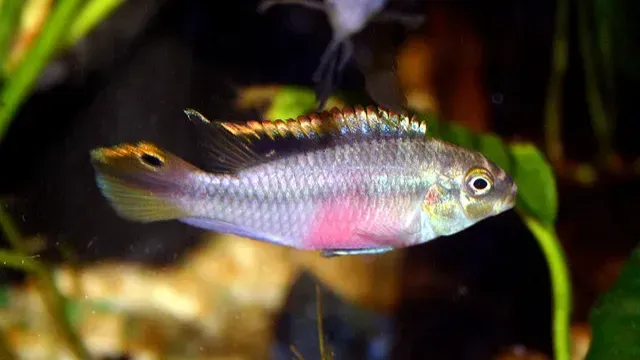
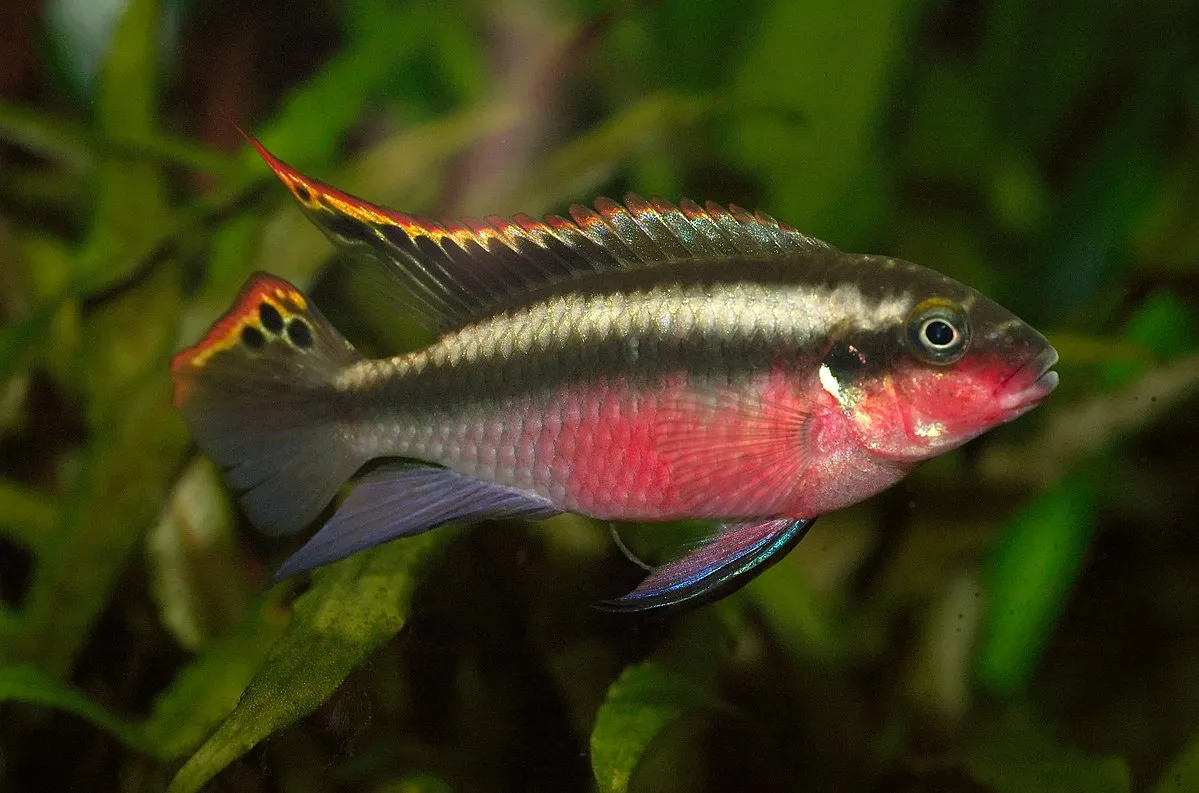
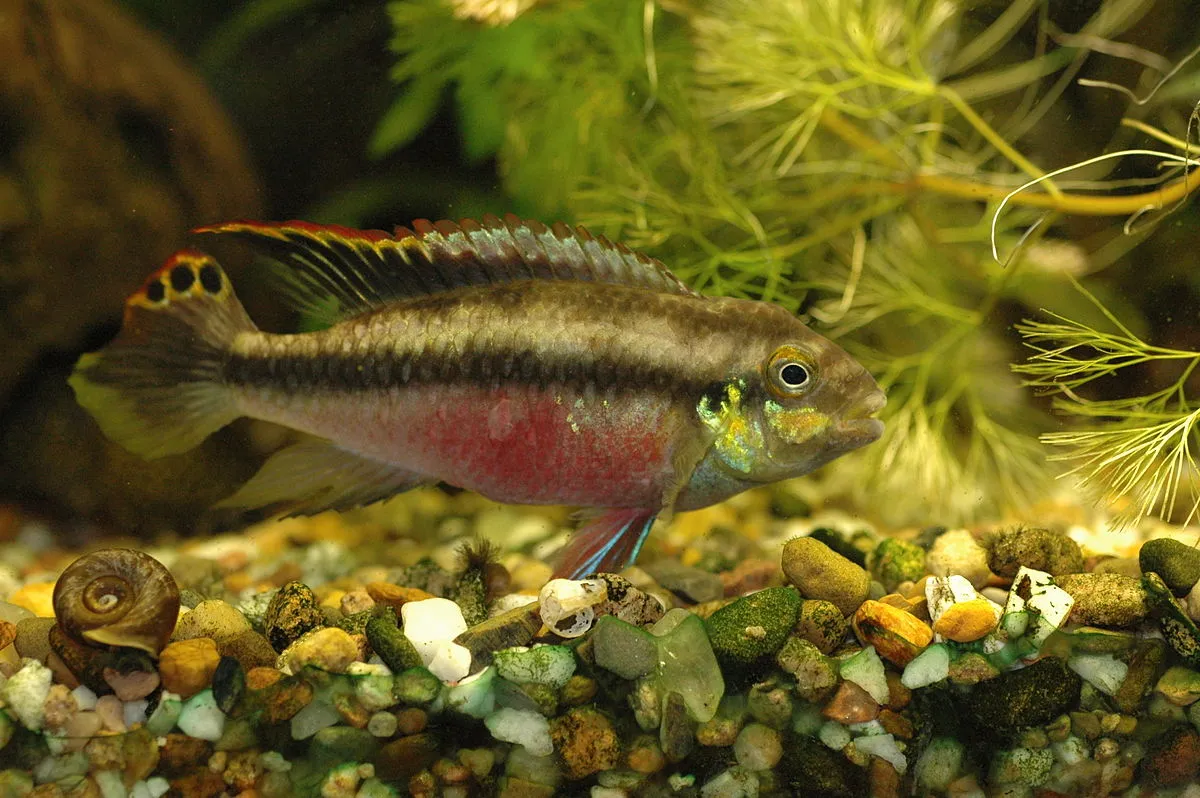
Kribensis (Pelvicachromis pulcher) are small, colorful dwarf cichlids with bright pink or red bellies, a dark stripe along their sides, and pretty spotted fins. They are very popular because they are easy to keep, show lively behavior, and sometimes raise babies in the tank.
Origin
- Where from: Wild Kribensis come from West Africa, mainly rivers and streams in Nigeria and Cameroon
- They live among plants, rocks, and tree roots in slow-moving water
Kribensis Temperament
- Behavior: Kribensis are mostly peaceful, but can be a little protective when they have eggs or fry
- They are curious and like to explore the tank
Compatibility
Kribensis Good tankmates:
- Apistogramma
- Congo Tetra
- Cory Catfish
- Most types of plecos
- Siamese Algae Eater
- Tiger Barb
- Harlequin Rasbora
Avoid:
- Very small shrimp (they may eat them) and very aggressive large cichlids
- Keep other very tiny fish safe if your Kribs are breeding
Kribensis Price in India
- ₹200–₹600 per fish (or ~₹400 for a small pair), depending on size and color variant
Characteristics
Temperament
Aggressive
Friendly
Compatibility with other fishes
Not Friendly
Super Friendly
Habitat Size
Small
Large


Kribensis Habitat Requirements
Initial Setup Cost
₹4,000 - ₹12,000
Water Temperature
24º -28ºC
Water Type
Fresh Water
PH Level
6 - 8
Tank Type
- Freshwater community or species tank (no salt or brackish water)
Kribensis Aquarium Size
- Minimum: 20 gallons (≈75 litres) for a pair — bigger is better if you add tankmates
Water Conditions
- Temperature range: 24–26°C (75–79°F)
- pH level: 5.6–6.2 (slightly acidic to neutral is best)
- Water hardness (KH): soft to moderate (many suggest low to medium hardness)
Kribensis Environment Needs
- Add lots of hiding spots:
- Caves
- Clay pots
- Driftwood
- Leaf litter
- Plants: attachable plants (Java fern, Anubias) or robust stems that won’t be dug up. Kribs like to dig, so add rocks and driftwood to protect roots.
- Lighting: normal aquarium light — not super bright. Provide shaded places so fish feel safe.
Essential Equipment
Aquarium tank
Water filter
Heater
Light
Substrate
Kribensis Nutritional Guide
Avg Monthly Expenses
₹80 - ₹ 150
Diet Type
- Omnivore — they enjoy both meat and plant-based foods
Kribensis Suitable Foods
Good options:
- High-quality flakes or pellets
- Frozen foods (brine shrimp, bloodworms), and occasional live foods
- Offer some vegetable matter too (blanched spinach or spirulina flakes)
- Variety helps color and health
Feeding Frequency & Tips
- Feed small amounts 1–2 times a day so they eat everything within 2–3 minutes.
- Don’t overfeed — remove extra food to keep water clean.
- Changing a bit of water regularly keeps their tank healthy.


Kribensis Health & Care
Common Health Issues
Fin rot
White spot / ick
Anchor worm
Dropsy (swollen abdomen)
Bacterial infections
Signs of good health
Active
Bright coloration
Good apetite
Signs of sickness
Loss of appetite
Lethargic behaviour
Frequent hiding
Dull coloring
Swimming abnormally
Before we talk about keeping Kribensis healthy, it helps to know about a few common problems they can face. If people know of Kribensis' health issues in advance, keeping fish happy and active becomes much easier.
Ich (White Spot Disease)
Ich is a common parasite that creates small, white spots on the body and fins. Kribensis with ich may rub on objects, breathe fast, or hide. To treat, raise the water temperature a few degrees over a few days, medicate with an ich-safe medication according to its instructions, and, should it pose no threat for tankmates, bathe with salt or use aquarium salt. Improving water quality may aid recovery.
Fin Rot
Fin rot is caused by water quality problems or a bacterial infection and can be identified by frayed, darkened, or shrunk fins. Improving water quality (via cleaning the filter and partial water changes), treating the tank with a broad-spectrum antibacterial medicine, lowering stress, and providing a nutritious diet will help fins regrow.
Velvet (Oodinium)
Velvet is a tiny parasite that gives the Kribensis's body a dusted gold and/or rusty appearance, causes sluggish behavior, and possibly an unwillingness to eat. Anti-velvet medicines can treat velvet, and keeping the tank dark for a couple of days can improve the treatment. Quarantining new fish before introducing them inside the main aquarium can help prevent velvet.
Kribensis General Health Tips
- Keep the water clean with regular partial water changes, test the water often for pH and temperature, and feed a varied diet
- A fish must undergo quarantine for a minimum of two weeks
- Provide hiding areas for fish in order to feel secure and avoid stress-related diseases
- Watch fish daily: quick action at the first sign of trouble helps most treatments work well
Prerequisites for a Fish
Adequate tank space
Cleanliness
Effort & commitment
Enriching Environment
Written by
Happy Pet TeamAuthor
Team Happy Pet is a passionate collective of pet experts, enthusiasts, and advocates dedicated to sharing trusted and insightful content.
Our cont
Frequently Asked Questions
Can Kribensis be kept with other fish?
Yes, Kribensis are generally peaceful and can be kept with other community fish. However, they may display territorial behavior, especially during breeding.
What do Kribensis eat?
Kribensis are omnivores and have a varied diet that includes high-quality flake food, pellets, live or frozen foods (such as brine shrimp, bloodworms, and daphnia), and blanched vegetables like spinach and peas.
Can Kribensis breed in a home aquarium?
Yes, Kribensis can breed in a home aquarium. They often display interesting breeding behaviors and parental care. Provide hiding spots and caves to facilitate breeding.