Home
/
Fish species
/
Loxozonus cory
Loxozonus cory
Origin
South America
Habitat Size
50-150 liters
Water Type
Fresh Water
Water Temperature
22º-26ºC
Cost in India
₹80 - ₹150
Size
1.5 - 2.5 inches (Small)
Diet
Omnivore

by Happy Pet TeamUpdated on 1 Dec 2025
Loxozonus cory Fish Guide
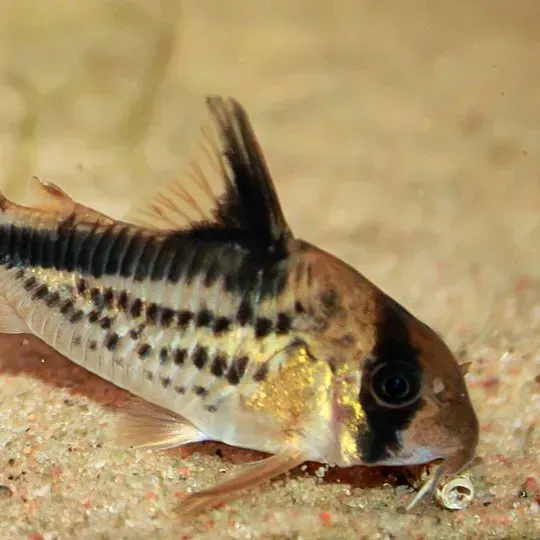
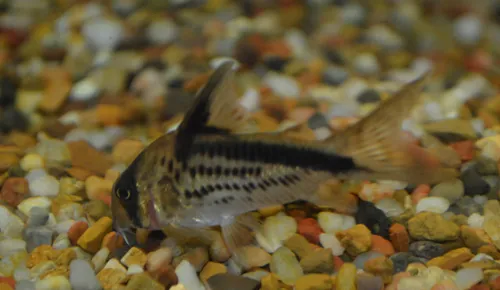
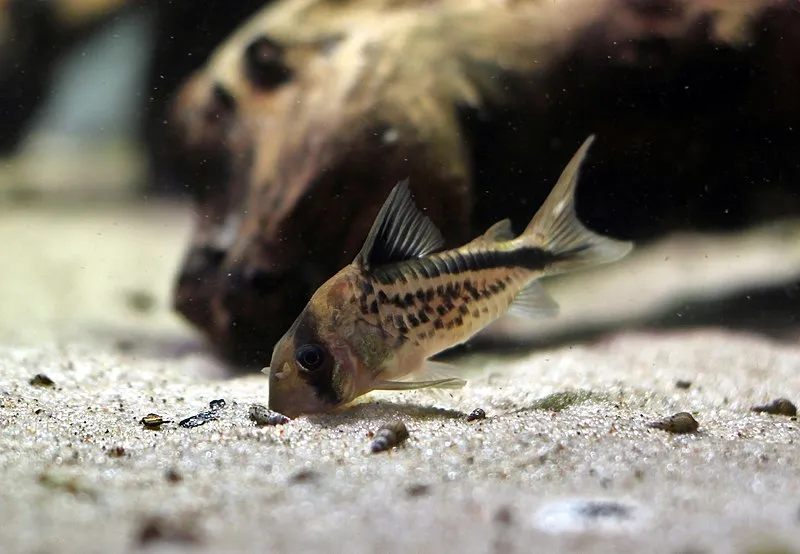
Loxozonus cory, also called the Slant-bar Cory, or Loxozonus corydoras, is a small, peaceful bottom-dwelling catfish. It has a light body with a slanting dark band across its side and tiny whiskers (barbels) near its mouth. People like Cory because it is gentle, active on the tank floor, and interesting to watch in small groups.
Origin
- This fish comes from South America
- Wild populations live in the Meta River basin in Colombia
- It was described scientifically in 1983
Temperament
- Loxozonus cory is calm and peaceful
- It is a schooling fish—it feels safer and shows its best colors when kept in groups of 6 or more
- It spends most of its time searching the bottom for tiny foods
Loxozonus Cory Compatibility
Good tankmates:
- Small peaceful community fish, tetras
- Rasboras
- Other small corys
- Peaceful dwarf gouramis
- Larger peaceful invertebrates
Avoid:
- Big or aggressive fish that may bully or eat them.
- They may nibble tiny shrimp, so be careful with very small shrimp species.
Loxozonus Cory Price Range in India
- Loxozonus cory is less common than the usual Corydoras sold in India.
- Common cory varieties in Indian shops usually sell from ₹150 to ₹500 each.
- Because Loxozonus is rarer and often imported, a reasonable Indian retail estimate is ₹400–₹1,200 per fish, depending on supply, size, and seller.
Characteristics
Temperament
Aggressive
Friendly
Compatibility with other fishes
Not Friendly
Super Friendly
Habitat Size
Small
Large


Loxozonus Cory Habitat Requirements
Initial Setup Cost
₹4,000 - ₹12,000
Water Temperature
22º -26ºC
Water Type
Fresh Water
PH Level
6.5 - 7.5
Tank Type
- Freshwater tropical aquarium
Loxozonus Cory Aquarium Size
- Minimum 60 litres (~13 US gallons) for a small school (6+). More space is better.
Water Conditions
- Temperature: 21–24 °C (70–75 °F)
- pH: about 6.0–8.0 (they tolerate a fairly wide pH but prefer slightly acidic to neutral)
- Hardness: 2–25 dGH (soft to moderately hard)
Loxozonus Cory Environment Needs
- They prefer soft sand atop very fine gravel since sharper things hurt their barbels.
- They enjoy many hiding spots among plants, driftwood, rocks, and caves.
- It prefers low to moderate light. It also likes a moderate water flow.
- Their tank should be kept quite clean. Frequent water changes are needed, as corys prefer oxygenated water that is clean.
Essential Equipment
Aquarium tank
Water filter
Heater
Light
Substrate
Decor
Loxozonus Cory Nutritional Guide
Avg Monthly Expenses
₹80 - ₹ 150
Loxozonus Cory Diet Type
- Omnivore / bottom scavenger
- They eat small animal foods and some plant matter
Suitable Foods
- High-quality sinking pellets or wafers made for catfish.
- Frozen/live foods:
- Bloodworms
- Daphnia
- Small brine shrimp
- Occasional vegetable bits (blanched peas, cucumber).
- Leftover flakes that sink to the bottom.
Loxozonus Cory Feeding Frequency & Tips
- Feed once or twice a day, small portions that they can finish in 2–3 minutes
- Remove uneaten food to keep the water clean
- A varied diet keeps them healthy and colorful. Offer occasional live/frozen treats


Loxozonus Cory Health & Care
Common Health Issues
Swim bladder disease
Bacterial infections
White spot / ick
Fungus
Parasitic infections
Mouth fungus
Signs of good health
Active
Bright coloration
Good apetite
Signs of sickness
Loss of appetite
Lethargic behaviour
White growths
Cloudy eyes
Swollen abdomen
Loxozonus Cory Common Health Issues
Ich (White Spot Disease)
Ich is a common parasite that shows as tiny white dots on the fish’s body and fins. Affected fish may scratch on objects and breathe fast. To cure that, raise the temperature a little (if safe for all tankmates), do water changes, and use a reliable anti-ich treatment following the product instructions. Quarantine new fish to prevent introduction.
Fin rot
Ragged or decaying fins mark fin rot, and it stems from bad water or bacteria. Try frequent water changes to treat it. A broad-spectrum antibacterial medicine is another option. Only trim if vets/aquarists instruct it, and maintain a clean world for fish.
Barbel damage or infection
Barbels (whiskers) can get damaged on rough substrate or from poor water. Signs include short or missing barbels and reduced feeding. To cure that, use soft sand, keep water clean, and treat infections with appropriate antibacterial treatments. Prevent by avoiding sharp gravel.
Parasitic worms or internal parasites
Symptoms include thin appearance, loss of appetite, or abnormal feces. This can be cured with the proper anti-parasitic medication and strict quarantine procedure for new shipments. Nutrition also helps you recover.
Loxozonus Cory General Health Tips
- Keep the tank very clean, and test all water parameters each week.
- Keep newly obtained fish in quarantine. Do this for two weeks at a minimum.
- Feed a varied diet, and avoid sharp substrate
- Healthy fish have bright eyes, an active swim, and a normal appetite
Prerequisites for a Fish
Adequate tank space
Cleanliness
Effort & commitment
Enriching Environment
Written by
Happy Pet TeamAuthor
Team Happy Pet is a passionate collective of pet experts, enthusiasts, and advocates dedicated to sharing trusted and insightful content.
Our cont
Frequently Asked Questions
What tank mates are suitable for Loxozonus Cory?
Loxozonus Cory thrives with other peaceful fish like tetras, rasboras, and small gouramis.
How many Loxozonus Cory should be kept together?
They do best in groups of 6 or more to ensure their social well-being.
Can Loxozonus Cory tolerate different water conditions?
They prefer stable water parameters with neutral pH and moderate temperature fluctuations