Home
/
Fish species
/
Lyretail Killifish
Lyretail Killifish
Origin
West Africa
Habitat Size
50-150 Liters
Water Type
Fresh Water
Water Temperature
22º-26ºC
Cost in India
₹80 - ₹150
Size
2 - 3 inches (Small)
Diet
Omnivore

by Happy Pet TeamUpdated on 2 Dec 2025
Lyretail Killifish Fish Guide
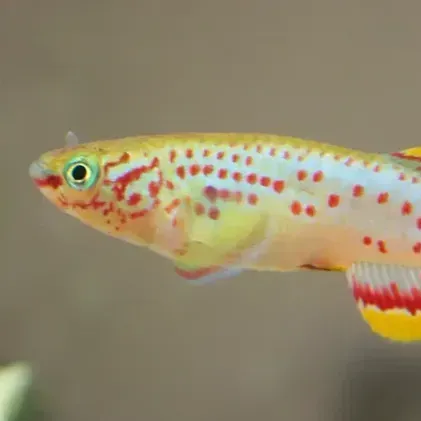
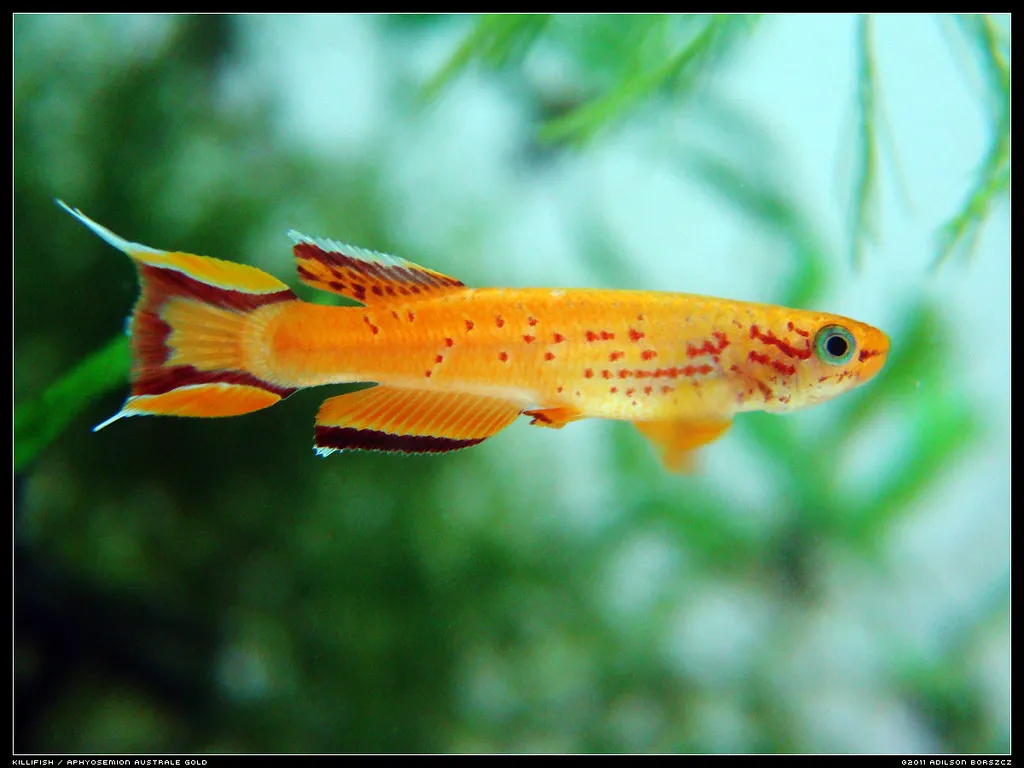
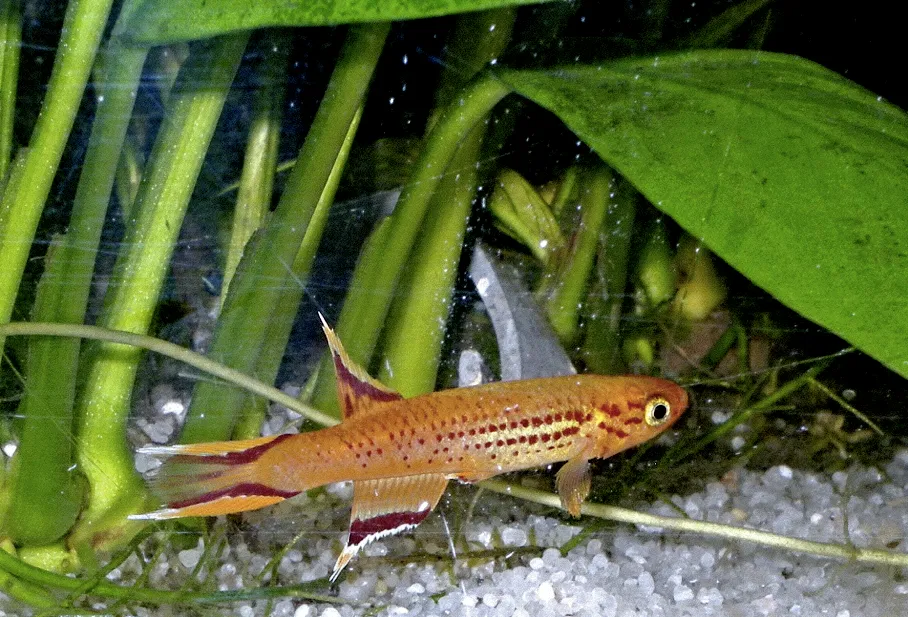
The Lyretail Killifish, Aphyosemion australe, is a small, brightly coloured freshwater fish with a graceful lyre-shaped tail. Many hobbyists love it because males are very showy (orange, gold, or sometimes blue) while females are plainer and calmer. It’s one of the easiest killifish for beginners and is kept by people who enjoy small, planted tanks.
Lyretail Killifish Origin
Native to West Africa (areas around Gabon and nearby coasts).
- It has been part of the aquarium hobby for over a century.
Temperament
- Peaceful and curious
- Best kept as pairs or small groups (one male with one or more females) rather than large shoals
Lyretail Killifish Compatibility
Good tankmates:
- Small, calm species that prefer similar soft, slightly acidic water:
- Rasboras
- Dwarf shrimp
- Tetras (neon, green, and ember)
- Smaller catfish varieties
- Rainbows & other peaceful fish
Avoid:
- Large or aggressive fish (cichlids, big barbs) that may nip fins or outcompete them
Lyretail Killifish Price in India
- In India, tank-bred common strains are often affordable
- Expect roughly ₹800–₹2,500 per pair, depending on strain and breeder
- Basic/garden strains are at the lower end; show or rare strains are higher
Characteristics
Temperament
Aggressive
Friendly
Compatibility with other fishes
Not Friendly
Super Friendly
Habitat Size
Small
Large


Lyretail Killifish Habitat Requirements
Initial Setup Cost
₹4,000 - ₹12,000
Water Temperature
22º -26ºC
Water Type
Fresh Water
PH Level
6.5 - 7.5
Lyretail Killifish Tank Type
- Freshwater (planted, low-flow setup)
Aquarium Size
- 20 liters (5 US gallons) for a single pair of Lyretail Killifish
- A long, shallow tank (wide footprint) is nice because they swim in the middle levels
Lyretail Killifish Water Conditions
- Temperature: 20–26°C (72–81°F) — they tolerate a range but do best in the mid-20s
- pH: ~5.5–7.0 (slightly acidic to neutral). Aim near 6.0–6.8 for comfort
- Hardness: Soft water preferred (low GH); roughly 2–10°N (soft to moderately soft).
Environment Needs
- Provide lots of plants and gentle hiding spots (fine-leaved and floating):
- Java fern
- Java moss
- Driftwood
- Bogwood
- Floating plants help create dimmer light — Lyretail Killifish like some shade
- Peat-filtered or lightly stained “blackwater” style water is often appreciated by breeders
Essential Equipment
Aquarium tank
Water filter
Heater
Light
Substrate
Decor
Lyretail Killifish Nutritional Guide
Avg Monthly Expenses
₹80 - ₹ 150
Lyretail Killifish Diet Type
- Insectivore / carnivorous leaning (kills prefer high-protein foods)
Suitable Foods
Best:
- Live or frozen foods, such as:
- Mosquito Larvae
- Daphnia
- Fruit Flies
- Brine shrimp
- Paste Fish Foods
- Beef Heart
- Bloodworms
- Also accepts: high-quality flakes and micro-pellets as part of a varied diet.
Lyretail Killifish Feeding Frequency & Tips
- Feed small amounts once or twice daily — only what they eat in 1–2 minutes
- Give mostly protein-rich meals and occasional flakes/pellets for balance
- Rotate foods so Lyretail Killifish stay healthy and colorful


Lyretail Killifish Health & Care
Common Health Issues
Fin rot
White spot / ick
Parasitic infections
Bacterial infections
Velvet
Signs of good health
Active
Bright coloration
Good apetite
Signs of sickness
Loss of appetite
Dull coloring
Tattered fins
White growths
Lethargic behaviour
Like all small freshwater fish, Lyretail Killifish are relatively hardy within good water conditions, varied food, and minimized stress. They are susceptible to some common fish diseases that fishkeepers should know.
Ich (White Spot Disease)
Ich is a common disease causing small white spots to appear on the body and fins of fish. Infected fish may rub against objects or breathe quickly, and hide. Common treatment is to raise the temperature (if the species of fish allows this), add a recommended ich medication, and perform partial water changes. New fish should be quarantined. Prompt action and clean tank water assist recovery.
Fin rot / Cotton-wool (bacterial infections)
Fin rot begins as frayed or discolored fin edges and can progress if water quality is poor. Cotton-wool–type patches (often columnaris) appear fuzzy and may be bacterial. Treatment includes improving water quality, isolating infected fish, and medicating as appropriate with antibacterial medication (as per the product). Filtration, never overfeeding, and maintaining a low nitrate level will prevent most bacterial outbreaks.
Stress-related illness (from bad water or overcrowding)
Killifish are sensitive to sudden water changes, high nitrates, and rough tankmates. Stress shows as loss of color, hiding, refusal to eat, or erratic swimming. Fixing water parameters, regular small water changes, and ensuring gentle tankmates usually restore health. Always quarantine new additions for a few weeks to stop disease spread.
Lyretail Killifish General Health Tips
- Quarantine new fish for 2–3 weeks
- Do regular water tests and change 20–30% weekly or biweekly as needed
- Keep nitrate low and avoid overcrowding
- Feed varied, high-protein food and remove uneaten food
- Use sponge filters or gentle filters to keep the water calm and oxygenated
Prerequisites for a Fish
Adequate tank space
Financial Capability
Cleanliness
Effort & commitment
Enriching Environment
Written by
Happy Pet TeamAuthor
Team Happy Pet is a passionate collective of pet experts, enthusiasts, and advocates dedicated to sharing trusted and insightful content.
Our cont
Frequently Asked Questions
What kind of diet do Lyretail Killifish require?
Lyretail Killifish are omnivores and should be fed a varied diet including high-quality flakes, live or frozen foods such as bloodworms and brine shrimp, and occasional vegetable matter.
How often should Lyretail Killifish be fed? How often should Lyretail Killifish be fed?
Feed them small portions multiple times a day, only what they can consume in a few minutes, to prevent overfeeding and maintain good water quality.
Can Lyretail Killifish live in a planted tank?
Yes, they appreciate a tank with plenty of plants for hiding and exploring. Live plants also help maintain water quality. .