Home
/
Fish species
/
Naso Tang
Naso Tang
Origin
Indo-Pacific
Habitat Size
150-400 Liters
Water Type
Salt Water
Water Temperature
22º-25ºC
Cost in India
₹200 - ₹300
Size
12 - 18 inches (Medium)
Diet
Herbivore


by Happy Pet TeamUpdated on 25 Nov 2025
Naso Tang Fish Guide
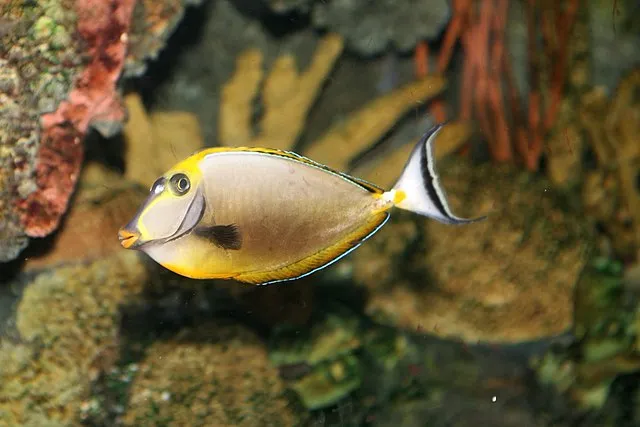
The Naso Tang (scientific name Naso lituratus) is a really interesting and pretty sea fish. It has bright colours, fancy shapes, and grows quite large. Many people like it for saltwater aquariums because it’s unique, active, and helps control algae.
Naso Tang Origin
- The Naso Tang comes from warm ocean waters in the Western Pacific, including islands like Indonesia, and from areas near Hawai‘i.
- In the wild, it swims in groups around rocky reefs and places with lots of algae.
Temperament
- Usually peaceful with other fish, except with its own species or other tangs, where it may show some dominance until everyone learns who is who.
- Very active swimmer. It loves grazing algae and moving around a lot.
Compatibility
- Can live well with medium to large peaceful or semi-aggressive saltwater fishes.
- Smaller, shy fish should be okay if the tank is big, so the Naso has its space.
- Avoid keeping more than one Naso Tang in smaller tanks, since they may fight or be stressed.
Naso Tang Price Range
The cost changes depending on size, colour variation (for example, “Blonde Naso Tang”), and how healthy the fish is.
As a rough idea:
- Small / Juvenile (≈ 2-3 inches): ₹2,000 to ₹5,000
- Medium (≈ 3-5 inches): ₹5,000 to ₹10,000
- Large / Near Adult: ₹10,000 to ₹20,000+
Characteristics
Temperament
Aggressive
Friendly
Compatibility with other fishes
Not Friendly
Super Friendly
Habitat Size
Small
Large


Naso Tang Habitat Requirements
Initial Setup Cost
₹10,000 - ₹30,000
Water Temperature
22º -25ºC
Water Type
Salt Water
PH Level
8 - 8.4
Naso Tang Tank Type
- It is a saltwater marine fish. Reef tanks usually work well.
Aquarium Size
- Needs a large tank. A minimum of about 180 gallons (≈ 680 litres) or more is recommended so it has enough space to swim freely.
- Long tanks are better, so they can move a lot.
Water Conditions
- Temperature: Warm tropical waters, around 24-28 °C. (Typical for reef saltwater tanks)
- pH level: Between 8.1 and 8.4, like in natural seawater.
- Water hardness (salinity/minerals): Salinity ~1.024-1.026 (specific gravity), stable mineral content. Hardness similar to reef conditions.
Environment Needs
- Plenty of rocks with algae on them (live rock), so the fish can graze.
- Good water movement and oxygenation, because in the wild, they live in areas where water flows and oxygen is high.
- Solid, secure lid on the aquarium (they may jump).
- Hiding spots for when the fish is young, or to feel safe during changes.
Essential Equipment
Aquarium tank
Water filter
Heater
Light
Substrate
Decor
Naso Tang Nutritional Guide
Avg Monthly Expenses
₹200 - ₹ 300
Naso Tang Diet Type
- Mostly herbivorous, but also accepts some animal bits. Grazes on algae in nature.
Suitable Foods
- Macro-algae like seaweed sheets (nori), brown algae.
- Prepared foods abundant in algae or plant matter (flakes, pellets of spirulina, etc.).
- Occasional small frozen meaty foods like mysis and brine shrimp, not as the main diet.
Naso Tang Feeding Frequency & Tips
- Rather than just one big meal, feed on several small meals in a day. This is by far a better method. It maintains health as well as provides activity, and furthermore minimizes sickness.
- Algae or plant matter should always be available from live rock or supplements. This guarantees natural grazing for them.
- When you introduce a new fish, be sure that it starts to eat prepared or algae-based foods early on, so that you avoid starvation or stress.


Naso Tang Health & Care
Common Health Issues
White spot / ick
Fin rot
Parasitic infections
Fungal infections
Bacterial infections
Signs of good health
Active
Bright coloration
Good apetite
Signs of sickness
Loss of appetite
Lethargic behaviour
Dull coloring
White growths
Swimming abnormally
Common Health Issues
- HLLE (Head and Lateral Line Erosion) occurs if the diet lacks vitamins or algae.
- Stress from small tanks, poor water quality, or insufficient food.
- Jumps out of the tank → injury or death.
Symptoms to Watch
- Loss of colour, especially on the face or body
- Not eating, hiding more than usual
- Holes or erosion along the head or lateral line
- Rapid breathing, gasping at the surface
Treatment
- Improve water quality: regular water changes, stable parameters.
- Add more algae & plant matter in the diet.
- Reduce stress: ensure enough space, proper tankmates.
- Quarantine if disease suspected, then treat with appropriate medicines (under fish-veterinary advice).
Naso Tang General Health Tips
- Keep the water clean and oxygenated
- Monitor feeding, don’t let them starve
- Choose a healthy specimen from the shop: one that swims well, eats, has bright colours, and no damage.
- Maintain stable temperature, pH, and salinity – avoid sudden changes
Prerequisites for a Fish
Adequate tank space
Cleanliness
Effort & commitment
Enriching Environment
Written by
Happy Pet TeamAuthor
Team Happy Pet is a passionate collective of pet experts, enthusiasts, and advocates dedicated to sharing trusted and insightful content.
Our cont
Frequently Asked Questions
Do Naso Tangs change color as they mature?
Yes, Naso Tangs can change color as they mature. Juveniles typically have a pale body with a prominent dark diagonal stripe, while adults develop a more vibrant blue body with yellow accents on the dorsal fin and tail. Females may have a more subdued coloration compared to males.
Are Naso Tangs aggressive towards other fish?
Naso Tangs are generally peaceful but can become territorial, especially towards other tangs or fish with a similar body shape or coloration. Providing plenty of hiding spots and territories in a large enough tank can help minimize aggression.
Are Naso Tangs reef-safe?
Generally, Naso Tangs are considered reef-safe. They are herbivorous and primarily feed on algae and vegetable matter. However, they may occasionally nip at or graze on some soft and stony corals. Monitoring their behavior is advisable, especially in smaller reef tanks.