Home
/
Fish species
/
Northern Longnose Corydoras
Northern Longnose Corydoras
Origin
South America
Habitat Size
50-150 liters
Water Type
Fresh Water
Water Temperature
22º-25ºC
Cost in India
₹80 - ₹150
Size
2 - 3 inches (Small)
Diet
Omnivore

by Happy Pet TeamUpdated on 2 Dec 2025
Northern Longnose Corydoras Fish Guide
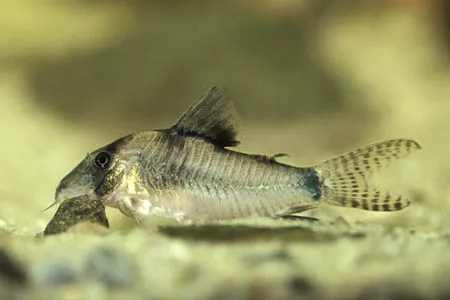
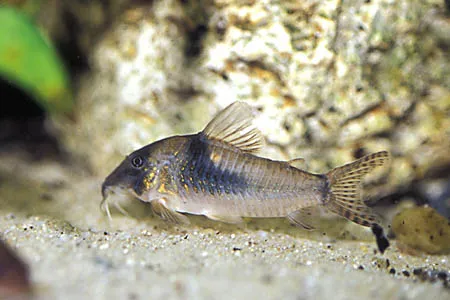
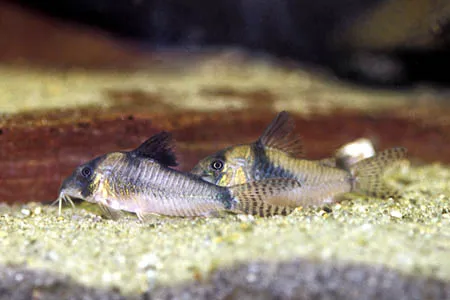
The Northern Longnose Corydoras is a small, peaceful catfish with a longer, pointed nose than many other corys. It is popular among aquarium lovers because it helps clean the bottom (eating leftover food, etc.), is calm, and has gentle markings. One unique thing: these fish sometimes gulp air from the surface, using a special part of their body to help breathe when needed.
Origin
- They come from South America, especially in rivers in Venezuela and Colombia in the Orinoco basin.
- In the wild, they live in slow to moderate flowing waters, with sandy or soft bottoms, often with plants, roots, and leaves around.
Northern Longnose Corydoras Temperament
- Very peaceful fish — they don’t bother others and are shy
- They like being in groups (shoals) of their own kind. Being alone makes them stressed.
- Mostly bottom dwellers: they spend time sifting through sand/substrate for food.
Compatibility
Suitable tank mates:
- Other peaceful, small to medium freshwater fish, such as:
- Diamond Tetras
- Small characins
- Cyprinids
- Anabantoids
Fish to avoid:
- Large aggressive fish that may eat them, or fish that stir up sand constantly, or damage their soft barbels.
Northern Longnose Corydoras Price Range in India
- This species is somewhat exotic in India, which is why it can cost ₹500-₹1500 each (depends on size, source, and whether imported)
Characteristics
Temperament
Aggressive
Friendly
Compatibility with other fishes
Not Friendly
Super Friendly
Habitat Size
Small
Large


Northern Longnose Corydoras Habitat Requirements
Initial Setup Cost
₹4,000 - ₹12,000
Water Temperature
22º -25ºC
Water Type
Fresh Water
PH Level
6 - 7.5
Tank Type
- Freshwater aquarium
Northern Longnose Corydoras Aquarium Size
- At least a medium 60-80 litre tank or more is better
- Keeping a small shoal (say 5-6) needs a tank with a decent amount of floor space and hiding holes
Water Conditions
- Temperature range: 20-26°C (72-82°F)
- pH level: 6.0-8.0 (slightly acidic to neutral)
- Water hardness: 2-25°H (soft to moderately hard)
Northern Longnose Corydoras Environment Needs
- They need a soft substrate like sand. This prevents injury to barbels. These are whisker-like feelers around their mouths.
- It needs plenty of plants, roots, and driftwood in addition to hiding places. Floating plants or cover provide shade.
- Filter well using a gentle flow, keep water clean, and avoid under-gravel filters where detritus amasses.
Essential Equipment
Aquarium tank
Water filter
Light
Substrate
Decor
Heater
Northern Longnose Corydoras Nutritional Guide
Avg Monthly Expenses
₹80 - ₹ 150
Diet Type
- Omnivore, with high protein needs
Northern Longnose Corydoras Suitable Foods
- Dried foods like pellets or tablets for bottom feeders
- Small live or frozen food such as bloodworms, brine shrimp, chopped earthworm, or white mosquito larvae
Feeding Frequency & Tips
- Feeding once a day is generally fine
- Sometimes a last feed in the evening or near lights off is a good idea, as they are more active
- Feed them little and often, enough so they finish eating in a few minutes, to avoid polluting the tank


Northern Longnose Corydoras Health & Care
Common Health Issues
Fin rot
White spot / ick
Swim bladder inflammation
Fungal infections
Bacterial infections
Parasitic infections
Signs of good health
Active
Bright coloration
Good apetite
Signs of sickness
Loss of appetite
Lethargic behaviour
Frequent hiding
Dull coloring
Swimming abnormally
Northern Longnose Corydoras common health issues
Fungal infections
If water gets cold, dirty, or has high ammonia, fungal spores can grow on skin or fins. These infections appear as white cottony growths. Thermal treatment, partial water changes, and antifungal treatment of the tank with fish medications are possible cures. Can be avoided with good water quality practices.
Gill flukes or parasite infestations
These cause fish to breathe fast, scratch against objects, or keep their gills open. Quarantine the fish if you see external parasites or redness, then treat it with an anti-parasite product. Also, place it in a tank for improved water with faster flows.
Barbel damage/infection
Because Northern Longnose Cory has barbels to feel for food in sand, sharp gravel, or dirty substrate can harm them. Infections may occur later (swelling and redness, difficulty feeding), and treatment may include changing to a tank with clean soft sand, removing infected gravel, doing small water changes regularly, and using a gentle antibacterial treatment.
Northern Longnose Corydoras General Health Tips
- Each week, check water parameters like ammonia, nitrite, and nitrate, then make regular water changes of 20 to 30 percent.
- Keep the temperature appropriate, and avoid swift changes
- Keep new fish separate before putting them into the main tank
- They need different sources of protein. Dry food by itself is insufficient.
- Test the water and seek disease signs if fish lack appetite, hide a lot, get ragged fins, or seem tired.
Prerequisites for a Fish
Adequate tank space
Enriching Environment
Cleanliness
Effort & commitment
Written by
Happy Pet TeamAuthor
Team Happy Pet is a passionate collective of pet experts, enthusiasts, and advocates dedicated to sharing trusted and insightful content.
Our cont
Frequently Asked Questions
How many Corydoras septentrionalis should be kept together?
It is recommended to keep them in groups of at least 6 to promote natural behavior and reduce stress.
What is the ideal tank size for Corydoras septentrionalis?
A minimum tank size of 50 Liters is recommended, but larger tanks are preferable for groups.
Can Corydoras septentrionalis be kept with other fish species?
Yes, they are peaceful and get along well with other non-aggressive fish species.