Home
/
Fish species
/
Oranda Goldfish
Oranda Goldfish
Origin
China
Habitat Size
150-400 Liters
Water Type
Fresh Water
Water Temperature
18º-24ºC
Cost in India
₹200 - ₹300
Size
6 - 18 inches (Medium)
Diet
Omnivore

by Happy Pet TeamUpdated on 2 Dec 2025
Introduction of the Oranda Goldfish
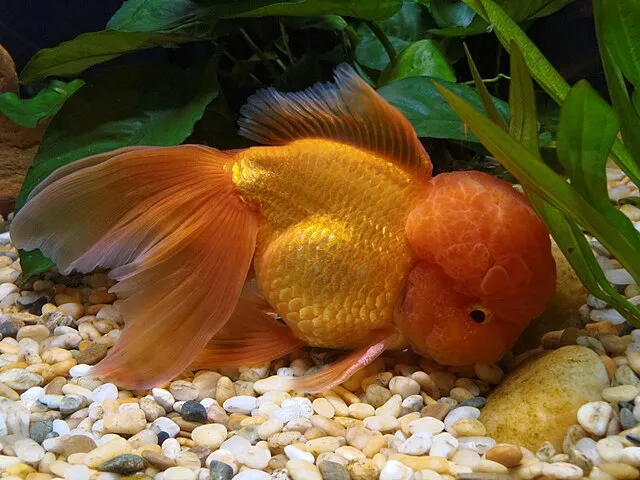
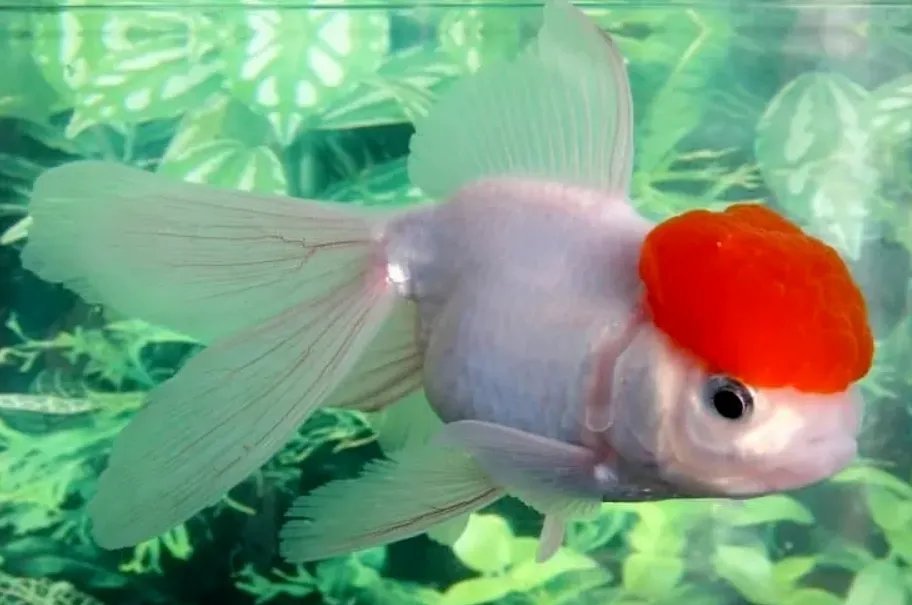
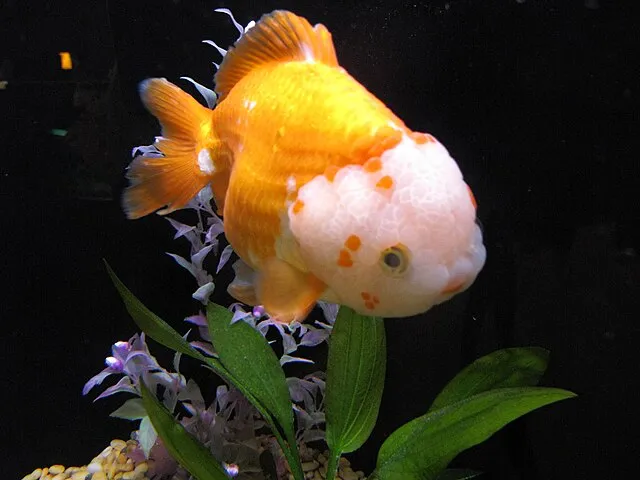
The Oranda Goldfish (Carassius auratus) is easily among the most stately and symbolic goldfish breeds, cherished for its "wen"—a fleshy head cap that renders it specially ornamental. Cherished for their body roundness, flowing fins, and temperate nature, Orandas are aquarists' first choice among people who appreciate appearance and personality in fish.
Although they look fragile, Orandas are strong and resilient as long as they are properly cared for, housed, and have good water conditions. They are highly friendly and excellent companions in peaceful aquariums.
Origin of the Oranda Goldfish
The Oranda is purported to have originated in China before being bred and brought into popularity in Japan during some point in the 15th century. It is a selectively bred type of the common goldfish, specifically bred for decorative traits. "Oranda" as a name actually derives from the word for "Holland" in Dutch because the fish originally was thought to have been shipped from there.
Over the years, many color variations such as red, orange, calico, and black Orandas were developed, of which the Red Cap Oranda is most well known.
Temperament of the Oranda Goldfish
Oranda goldfish are peaceful, friendly, and sociable and are perfect for community tanks along with other fancy goldfish. Oranda goldfish are slow swimmers due to their round body and wide head growth and therefore should not be kept with fast swimming or dominant fish that can bully them during warmer-ups.
They can thrive in pairs or more, and sometimes they show friendly schooling behavior.
Oranda Goldfish Compatibility with Other Fish
Orandas do well with other fancy goldfish varieties that share the same swimming and care needs.
Suitable tankmates include:
- Ryukin Goldfish
- Lionhead Goldfish
- Black Moor Goldfish
- Ranchu Goldfish
- Telescope Goldfish
Avoid keeping them with slender-bodied or fast-swimming fish like Comets or Shubunkins since they will stress or bully Orandas.
Price Range of the Oranda Goldfish
Oranda goldfish are moderately priced and readily available. In India, they range from ₹250 to ₹1,200 ($4–$15) depending on size, color, and quality of wen.
The more uncommon coloration patterns or imported kinds might be pricier.
Characteristics
Temperament
Aggressive
Friendly
Compatibility with other fishes
Not Friendly
Super Friendly
Habitat Size
Small
Large


Habitat Requirements of the Oranda Goldfish
Initial Setup Cost
₹10,000 - ₹30,000
Water Temperature
18º -24ºC
Water Type
Fresh Water
PH Level
6.5 - 7.5
Tank Setup
- Tank Type: Freshwater, cold-water tolerant
- Minimum Tank Size: 30 gallons for a single Oranda, +10 gallons per additional fish
- Substrate: Smooth sand or gravel (not to hurt)
- Decor: Driftwood, plants, and places of shelter with smooth edges
- Lighting: Moderate; avoid strong currents
Water Conditions
- Temperature: 18–24°C (64–75°F)
- pH Level: 6.5–7.8
- Water Hardness: 5–19 dGH
Environmental Needs
Do 25–30% weekly water changes and use a strong filter system, as goldfish are waste producers.
Essential Equipment
Aquarium tank
Water filter
Heater
Light
Substrate
Nutritional Guide of the Oranda Goldfish
Avg Monthly Expenses
₹200 - ₹ 300
Orandas are omnivores and can be fed a varied diet.
Best foods are:
- High-quality goldfish pellets (floating or sinking)
- Blanched peas, spinach, and lettuce for fiber
- Frozen or live foods like brine shrimp and bloodworms (weekly)
Feeding Tips:
- Feed 2–3 small meals a day. Avoid overfeeding — it causes bloating and swim bladder issues. Dispose of any uneaten food.


Health & Care of the Oranda Goldfish
Common Health Issues
Fin rot
White spot / ick
Dropsy (swollen abdomen)
Fungus
Swim bladder inflammation
Parasites
Signs of good health
Active
Bright coloration
Good apetite
Signs of sickness
Loss of appetite
Lethargic behaviour
Dull coloring
Cloudy eyes
Swimming abnormally
Common Problems of the Oranda Goldfish
Swim Bladder Disorder
It is common in round-bodied fish from excessive feeding or malnutrition.
- Symptom: Belly floating upwards or bottom-sinking.
- Cure: Starve for 24 hours, then supplement with deshelled peas to ease digestion.
Wen Infection
The soft head cap (wen) is prone to fungal or bacterial infection.
- Symptom: White patches or swelling of the head.
- Cure: Quarantine and medicate with antifungal or antibacterial drugs.
Dropsy
Severe bacterial illness linked to internal infection or water quality.
- Symptom: Bloating belly and puffed-out scales.
- Cure: Isolate fish, warm, clean water, and use antibiotic treatment.
Prerequisites for a Fish
Adequate tank space
Cleanliness
Effort & commitment
Enriching Environment
Written by
Happy Pet TeamAuthor
Team Happy Pet is a passionate collective of pet experts, enthusiasts, and advocates dedicated to sharing trusted and insightful content.
Our cont
Frequently Asked Questions
Do Oranda Goldfish require special care for their head growth?
Oranda Goldfish are known for their "wen" or head growth, which requires special attention to maintain cleanliness. To stop bacterial growth and illnesses, make sure the tank receives regular water changes and appropriate filtration.
How often should we feed Oranda Goldfish?
Oranda Goldfish should be fed small portions of food 2-3 times a day, only offering what they can consume in a few minutes to prevent overfeeding and maintain water quality. For their health and wellbeing, they must eat a varied diet.
Can Oranda Goldfish live with other fish species?
Oranda Goldfish are generally peaceful and can coexist with other peaceful fish species in a community aquarium. To avoid stress and harm, do not house them with aggressive or fin-nipping species.