Home
/
Fish species
/
Panda Corydoras
Panda Corydoras
Origin
Peru
Habitat Size
50-150 Liters
Water Type
Fresh Water
Water Temperature
22º-26ºC
Cost in India
₹80 - ₹150
Size
2 - 6 inches (Small)
Diet
Omnivore

by Happy Pet TeamUpdated on 2 Dec 2025
Panda Corydoras Fish Guide
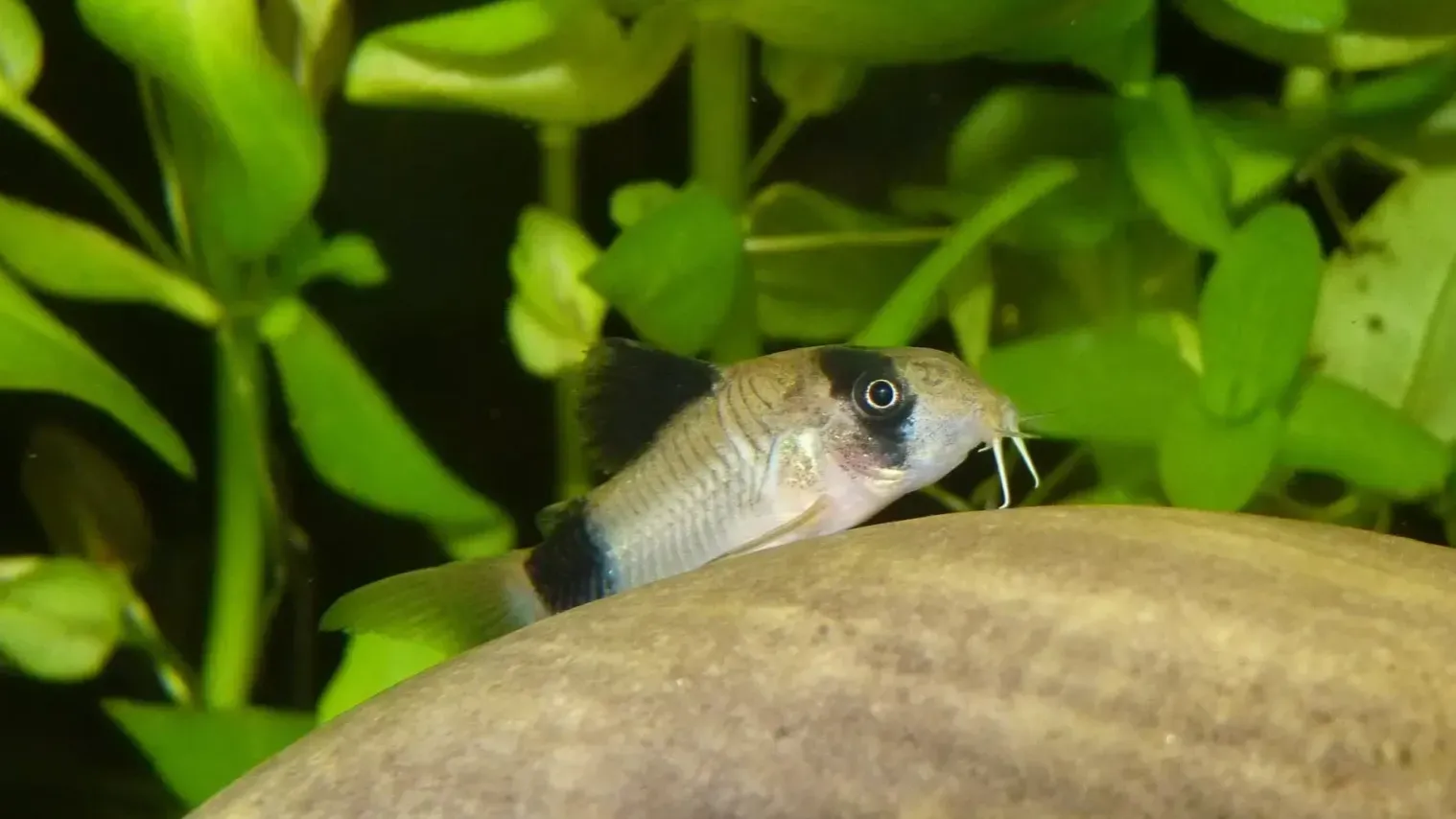
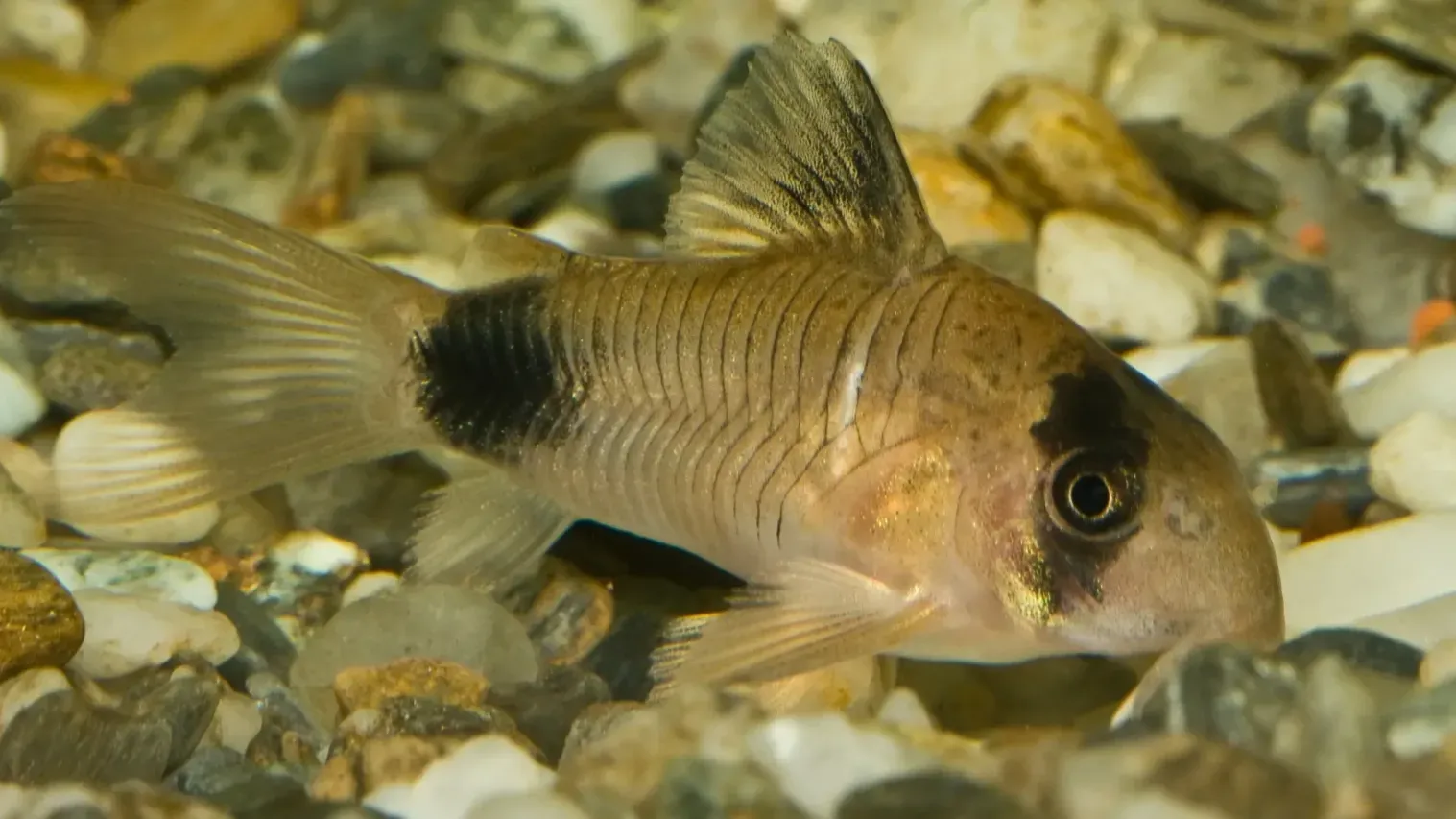
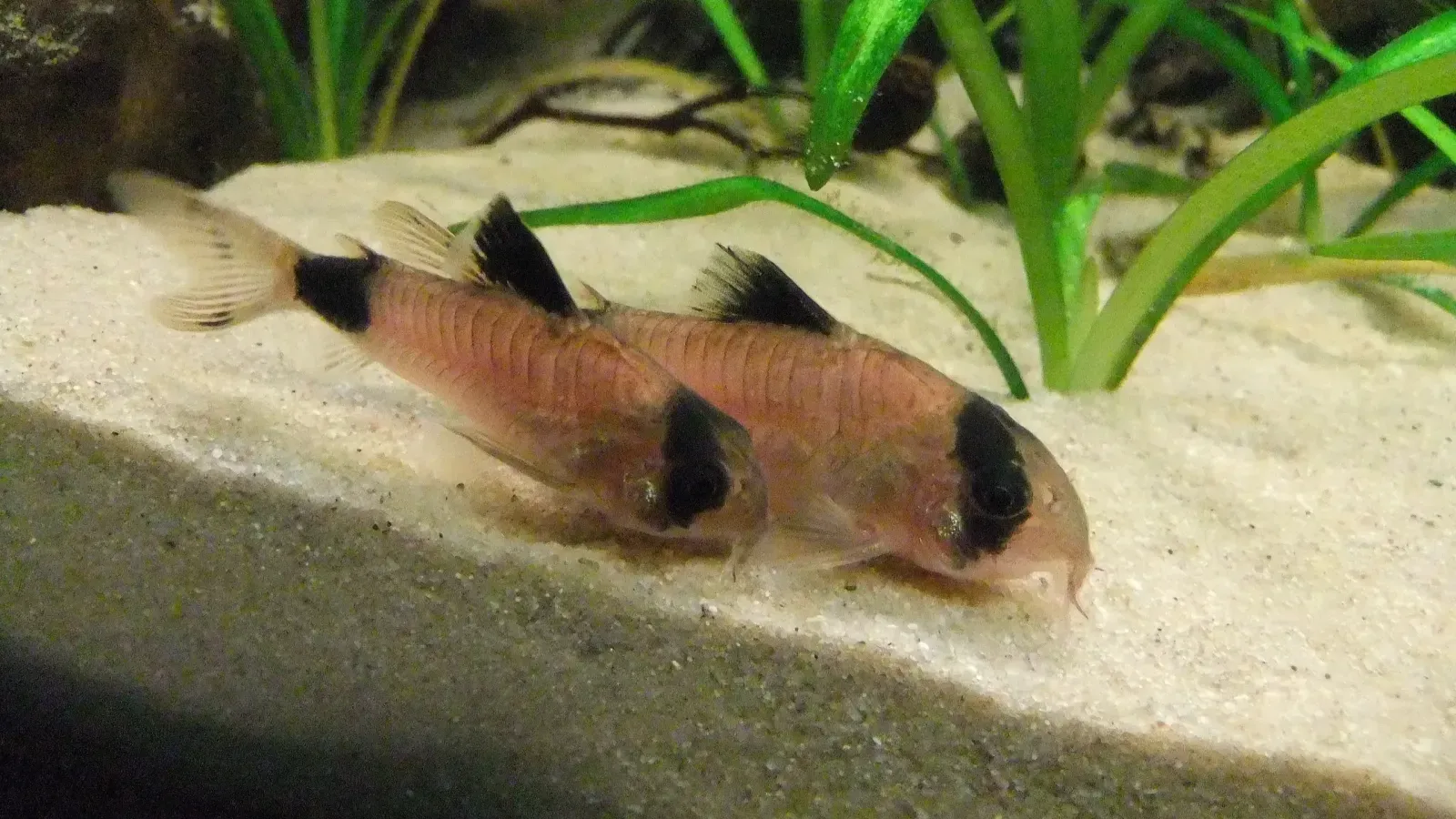
Panda Corydoras (Hoplisoma panda) often called Panda Cory, are small, friendly catfish with pale bodies and three bold black marks — one across each eye and one near the tail — which look a bit like a panda’s face. They are very popular because they are active, funny to watch, and do a great job exploring the bottom of the tank. These tiny fish love to be in groups and often swim together, making the tank lively and cute.
Origin
- Panda Corydoras come from cool, fast-flowing rivers in South America — mainly parts of Peru and Ecuador
- They were first described by scientists in the 1971 and got their “panda” name because of their black eye patches
Temperament
- Very peaceful and shy
- Social — do best in groups (a school)
- Bottom-dwellers: they dig and search the sand for food
- Active but gentle with other fish
Compatibility
Panda Corydoras Good tankmates
- Small, calm community fish, like:
- Small tetras
- Rasboras
- Peaceful loaches
- Other non-aggressive bottom dwellers
Avoid
- Big, aggressive cichlids, very large fish, or fin-nippers
- They also prefer tankmates that tolerate slightly cooler water
Panda Corydoras Price in India
- Typical retail price in India: ₹100–₹350 per fish, depending on size and breeder
Characteristics
Temperament
Aggressive
Friendly
Compatibility with other fishes
Not Friendly
Super Friendly
Habitat Size
Small
Large


Panda Corydoras Habitat requirements
Initial Setup Cost
₹4,000 - ₹12,000
Water Temperature
22º -26ºC
Water Type
Fresh Water
PH Level
6.5 - 7.5
Tank Type
- Freshwater community aquarium
Panda Corydoras Aquarium Size
- Minimum: 20 gallons for a small group, but larger is better
- Aim for at least a 40–60 cm (20+ liter) tank so a school of 6–8 can move comfortably
- Experts usually recommend keeping 6–8 or more together
Water Conditions
- Temperature: 21–25 °C (they prefer the cooler side of the tropical range)
- pH level: 6.0–7.0 (neutral to slightly acidic is best)
- Water hardness: 2 - 12 dGH, Soft to moderately hard (low mineral content like their native rivers)
Panda Corydoras Environment Needs
Essential Equipment
Aquarium tank
Water filter
Heater
Light
Decor
Panda Corydoras Nutritional Guide
Avg Monthly Expenses
₹80 - ₹ 150
Panda Corydoras Diet Type
Suitable Foods
- Sinking pellets or wafers made for bottom feeders
- Frozen/live foods:
- Brine shrimp
- Bloodworms
- Daphnia
- Occasional veggie bites: blanched peas or tiny bits of cucumber
- They will also pick up leftover flakes from the substrate
Panda Corydoras Feeding Frequency & Tips
- Feed small amounts once or twice daily — only what they eat in 2–3 minutes
- Use sinking foods so the meal reaches the bottom quickly
- Keep substrate clean — uneaten food should be removed to avoid water-quality problems


Health
Common Health Issues
White spot / ick
Fin rot
Fungus
Parasites
Bacterial infections
Swim bladder disease
Signs of good health
Undamaged fins
Active
Bright coloration
Signs of sickness
Loss of appetite
Lethargic behaviour
Tattered fins
Dull coloring
Swimming abnormally
Panda Corydoras are hardy, and because they live near the bottom and have delicate barbels (whisker-like feelers), they are more prone to common health issues, such as:
Columnaris / Mouth and skin infections
Columnaris, a bacterial skin disease, causes pale areas, frayed fins, or small skin ulcers. Panda Corys are more likely to become infected under suboptimal water conditions or under stress. To treat, one must improve the water quality, raise the temperature a bit (if not detrimental to the species), and apply antibacterial fish medication as recommended. Quarantine infected fish, then keep the entire tank clean as a preventative measure.
Fin rot
Fin rot causes ragged or shredded fins. It can be caused by poor quality of water, or by very small wounds to the fin from coarsely grained substrate on the bottom of the tank, or aggressive fish. The best treatment is to strip and clean the tank, change water, and put in antibiotic treatment as per the package instructions. Fix the water chemistry, and remove aggressive fish to prevent recurrence.
Barbel erosion
Panda Corydoras use their barbels to recognize and explore their surroundings. Rough gravel or substrate can damage these. This leads to infection or injury. Signs of damage include frayed and missing barbels on them. Fine sand is the immediate solution if barbels look infected; improve water quality and use antibacterial or antifungal medicine in a quarantine tank. Prevention (soft sand + a clean tank) is best.
Panda Corydoras General health tips
- Regularly change a small amount of the water (20-30% weekly), gently filter, and feed small amounts to keep the tank clean and free of waste
- Panda Corydoras do best in groups of six or more in order to avoid stress
- Watch for rapid temperature changes in water
- A new fish needs quarantine before stocking into the main tank to avoid introducing disease
Prerequisites for a Fish
Adequate tank space
Cleanliness
Effort & commitment
Enriching Environment
Written by
Happy Pet TeamAuthor
Team Happy Pet is a passionate collective of pet experts, enthusiasts, and advocates dedicated to sharing trusted and insightful content.
Our cont
Frequently Asked Questions
How many Panda Corydoras should be kept together?
Panda Corydoras are social fish and should be kept in groups of at least six individuals or more. Keeping them in bigger groups promotes natural activities like foraging and schooling while also lowering stress levels.
Do Panda Corydoras require specific tank decorations?
Panda Corydoras benefit from having lots of hiding places, such as caves, driftwood, and live plants. These ornaments encourage their wellbeing and natural habits by providing security and imitating their natural surroundings.
Are Panda Corydoras suitable for beginners?
Yes, because of their calm temperament, ease of maintenance, and ability to withstand a variety of water conditions, panda corydoras are excellent first aquarium pets. But it's crucial to keep the water clean and give them with an appropriate home.