Home
/
Fish species
/
Panda Garra
Panda Garra
Origin
Myanmar
Habitat Size
50-150 Liters
Water Type
Fresh Water
Water Temperature
20º-26ºC
Cost in India
₹80 - ₹150
Size
3 - 4 inches (Small)
Diet
Omnivore

by Happy Pet TeamUpdated on 1 Dec 2025
Panda Garra Fish Guide
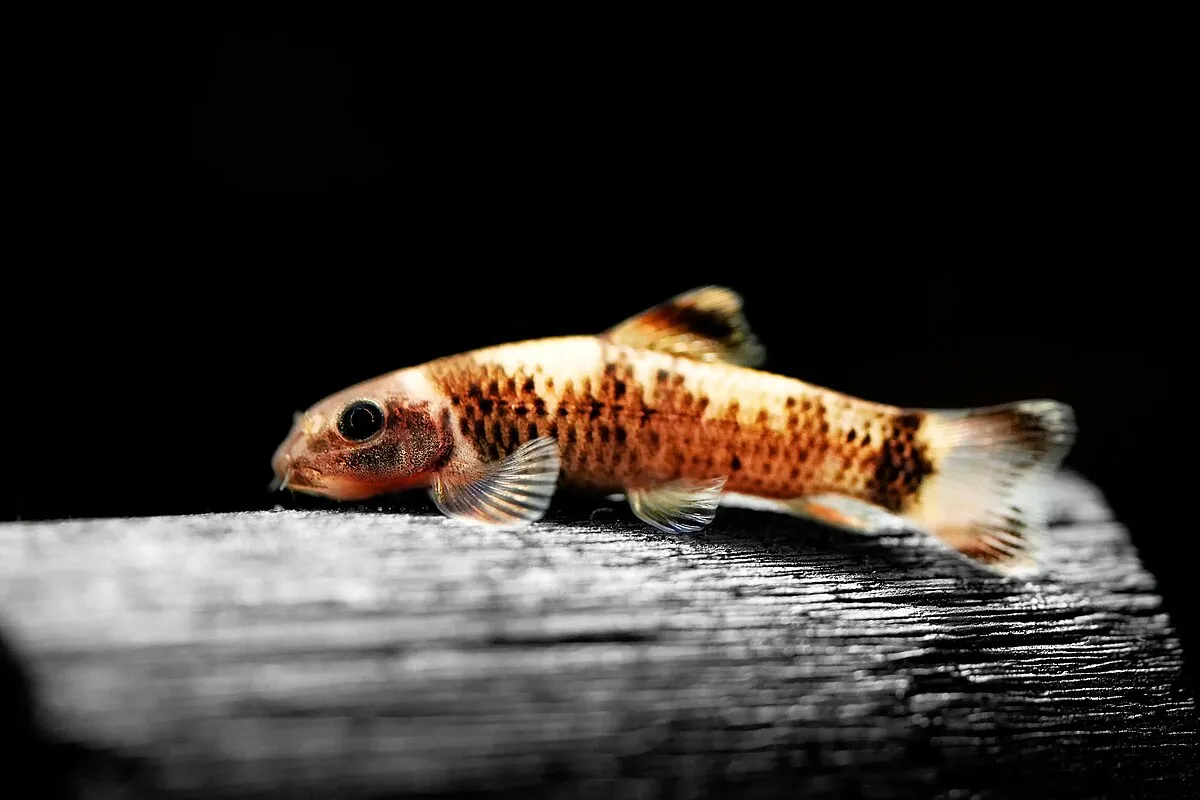
Panda Garra (scientific name Garra flavatra) is a small, striking freshwater fish known for its black-and-white “panda-like” bands and little sucker mouth. It’s popular with hobbyists because it helps eat algae and has a calm, curious nature. Panda Garra is unique because it looks bold but stays fairly small and active, making it a fun fish for planted tanks and rock-scapes.
Origin of Panda Garra
- Native to Southeast Asia — wild populations are reported from streams in Myanmar and nearby river systems.
Panda Garra Temperament
- Generally peaceful but lively
- It can be slightly bossy with its own kind (mild hierarchy), but not aggressive toward most peaceful tankmates.
Compatibility
- Good with: small, peaceful community fish such as certain tetras, rasboras, small barbs, danios, and other non-aggressive bottom dwellers.
- Avoid: very slow-moving fish with long fins (bettas, fancy goldfish) or very shy species that may get stressed.
Panda Garra Price Range
- In India, the Panda Garra usually sells in the range of about ₹200–₹800 per fish, depending on size and availability.
Characteristics
Temperament
Aggressive
Friendly
Compatibility with other fishes
Not Friendly
Super Friendly
Habitat Size
Small
Large


Panda Garra Habitat Requirements
Initial Setup Cost
₹4,000 - ₹12,000
Water Temperature
20º -26ºC
Water Type
Fresh Water
PH Level
6.5 - 7.5
Tank Type
- Freshwater only. They prefer a clean, well-oxygenated setup with some water flow, like a stream tank.
Panda Garra Aquarium Size
- Minimum recommended: 40 litres (≈10 US gallons) for a small group (3–5). Bigger is better if you keep more fish or want extra territory.
Water Conditions
- Temperature: about 22–27°C (72–81°F).
- pH: around 6.5–7.5 (a slightly neutral range).
- Hardness: Soft to moderately hard water is fine; aim for natural, not extremely hard water.
Environment Needs
- Provide: smooth rocks, driftwood, and hiding spots (caves or rock crevices). These fish like to rest on stones and explore.
- Plants: low-growing or attached plants (anubias, Java fern) work well because Panda Garra can graze on hard surfaces.
- Lighting & flow: moderate lighting and some water current mimic their native stream habitat.
Essential Equipment
Aquarium tank
Water filter
Heater
Light
Substrate
Decor
Panda Garra Nutritional Guide
Avg Monthly Expenses
₹80 - ₹ 150
Diet Type
- Omnivore with strong grazing behavior — they eat algae but also need other foods for good health.
Panda Garra Suitable Foods
- Algae wafers and blanched vegetables (zucchini, cucumber, spinach).
- High-quality sinking pellets or wafers formulated for algae-eaters.
- Occasional live or frozen foods (daphnia, bloodworms) for protein.
- Fresh vegetable slices attached to a clip or rock let them graze.
Feeding Frequency & Tips
- Feed small amounts daily, 1 or 2 times.
- You must provide this mix: protein treats 1, 2 times every week, vegetable/algae food otherwise.
- Remove uneaten food after 10–20 minutes to keep water clean.


Panda Garra Health & Care
Common Health Issues
Fin rot
White spot / ick
Parasitic infections
Fungal infections
Bacterial infections
Ammonia poisoning
Signs of good health
Active
Bright coloration
Good apetite
Signs of sickness
Loss of appetite
Lethargic behaviour
Frequent hiding
Dull coloring
Tattered fins
Some of the common health issues found in Panda Garra (Garra flavatra) are as follows:
- Skin and Fin Damage: Scrapes or minor wounds may occur if they are kept with rough décor or sharp stones. Damaged areas may look torn or reddened. Using smooth rocks and ensuring clean water helps healing.
- Fungal as well as Bacterial Infections: Problems like fin rot or cloudy patches on the body can be caused by poor maintenance or unstable tank conditions. Signs are tired swimming, reduced feeding, and loss of color. Treatments include cleaning of water and using antibacterial or antifungal remedies safely.
- Parasitic Infestations: Parasites like white spot (Ich) can be brought on by stress or newly introduced fish. Look out for sudden hiding, white dots, or scratching on surfaces. Always follow directions carefully, along with using community-safe parasite medications.
- Preventive Care: Prior to adding new fish to the main aquarium, keep them isolated for 2 or 3 weeks. Most of the health issues can be prevented with stable water parameters and with a clean substrate. Regular monitoring helps in preventing health issues, too.
Panda Garra General Health Tips
- Test water often: always maintain ammonia and nitrite at 0, also keep nitrates as low as possible.
- Maintain water that is oxygen-rich using a filter that is safe yet strong.
- To decrease stress, provide hiding spots. Tank mates that are not aggressive also can help.
- Routinely change water, coupled with balancing a diet of algae, veggies, and protein, for supporting long life and strong immunity.
Prerequisites for a Fish
Adequate tank space
Cleanliness
Effort & commitment
Enriching Environment
Written by
Happy Pet TeamAuthor
Team Happy Pet is a passionate collective of pet experts, enthusiasts, and advocates dedicated to sharing trusted and insightful content.
Our cont
Frequently Asked Questions
What do Panda Garra fish eat?
They are omnivores and eat algae, vegetables, and high-quality fish food like flakes, pellets, and live or frozen foods.
What is the natural habitat of Panda Garra?
Panda Garra fish are found in fast-flowing streams and rivers in Myanmar. They prefer environments with plenty of rocks, pebbles, and strong water currents.
Are Panda Garra aggressive?
Panda Garra are generally peaceful but can be territorial, especially with their own species. It's best to keep them in a group of at least 4-6 to spread out any aggression. They usually get along well with other peaceful fish.