Home
/
Fish species
/
Paradise Fish
Paradise Fish
Origin
East Asia
Habitat Size
50-150 Liters
Water Type
Fresh Water
Water Temperature
20º-25ºC
Cost in India
₹80 - ₹150
Size
2 - 3 inches (Small)
Diet
Omnivore


by Happy Pet TeamUpdated on 2 Dec 2025
Paradise Fish Guide
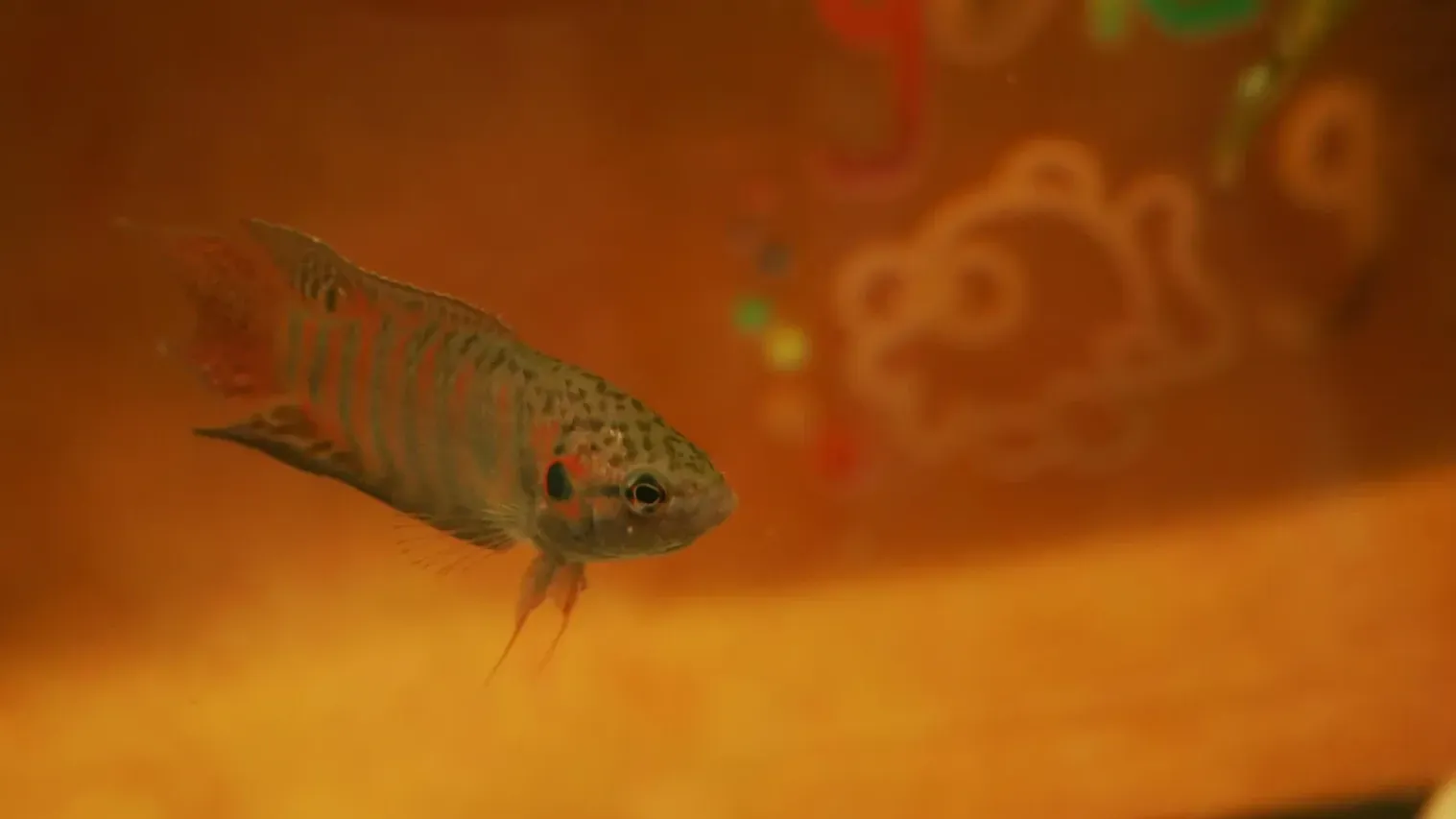
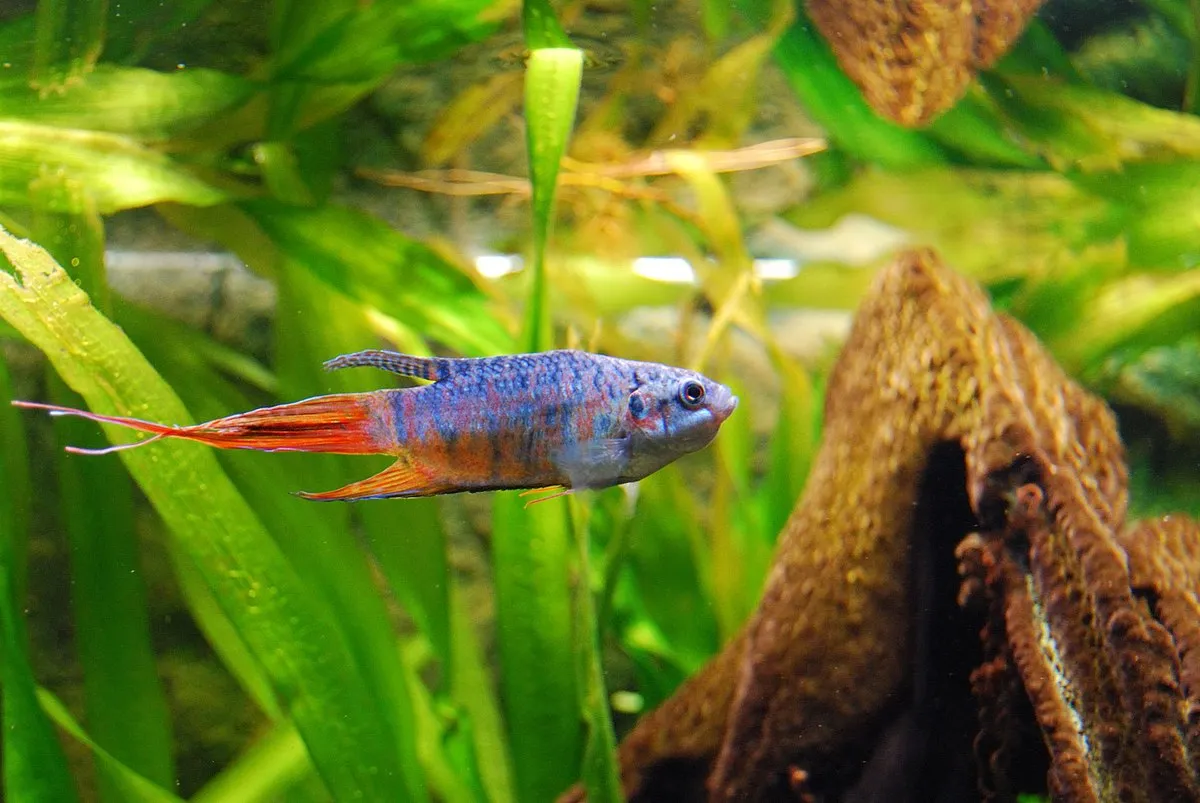
The Paradise Fish (fork tailed paradisefish) is a colorful freshwater fish with long, flowing fins and vivid stripes of blue, red, and orange. It is quite popular among aquarium lovers because it is hardy, interesting to watch, and has a unique behavior (bubble-nest building). This makes it stand out from many simple fish. It’s sometimes called the “paradise gourami”.
Origin
- The Paradise Fish naturally hails from East Asia: countries such as China, Taiwan, northern Vietnam, and Korea.
- It is one of the earliest tropical freshwater fish to be kept in home aquariums in the West (after the goldfish).
- In the wild, it lives in shallow, slow-moving waters such as rice paddies, irrigation ditches, and marshes — places where oxygen may be low, and rich in plants.
Temperament
- The Paradise Fish is territorial. Males, especially, will defend their space and may show aggression toward other males.
- They are not naturally schooling fish, and as they mature, they prefer to have their own area rather than being crowded.
- They can be bold and display striking fin-flares, which makes them fun to watch — but this means their behavior needs managing.
Compatibility
Good tank-mates
- Fish that are larger than the Paradise Fish (so they aren’t attacked), and non-aggressive species. For example:
- Some loaches
- Bala sharks
- Bristlenose plecos
- Synodontis catfish
- Giant danios
- Fast-swimming cyprinids
- If you keep only one male, or one male with a few females (in a fairly large tank with hiding places), things can work
Fish to avoid
- Small fish (like tiny tetras or guppies) because they may be harassed or eaten
- Fish with long flowing fins or very slow fish – these may be seen as targets
- More than one male in a small tank often leads to fighting
Paradise Fish Price Range in India
- In India, the price for Paradise Fish varies depending on size, color variety, and condition.
- Some red or coloured variants can cost around ₹200 each
- Others are more premium varieties (pairs or special color morphs) at around ₹1,500 or more
Characteristics
Temperament
Aggressive
Friendly
Compatibility with other fishes
Not Friendly
Super Friendly
Habitat Size
Small
Large


Paradise Fish Habitat Requirements
Initial Setup Cost
₹4,000 - ₹12,000
Water Temperature
20º -25ºC
Water Type
Fresh Water
PH Level
6 - 8
Tank Type
Paradise Fish Aquarium Size
- For a single fish: a tank of about 20 gallons (~75 liters) is a good minimum
- For a pair or community setup: a larger long tank is better (e.g., 30+ gallons), especially if more than one male
Water Conditions
- Temperature range: around 20-26 °C (61-79 °F), though they tolerate cooler water too in some setups
- pH level: neutral to slightly acidic to slightly alkaline: about 5.0-8.0
- Water hardness: They are tolerant of a range (5-30 dGH), but aim for moderate hardness (they come from rather vegetated, natural waters)
Environment Needs
- Plants (especially floating plants) and hiding places are very helpful (Paradise Fish like vegetation and places to retreat)
- A secure lid is important (Paradise Fish can jump)
- Provide both open swimming space and zones with decor or roots/plants so the fish can choose to explore or hide
Essential Equipment
Aquarium tank
Water filter
Heater
Light
Substrate
Paradise Fish Nutritional Guide
Avg Monthly Expenses
₹80 - ₹ 150
Diet Type
- Omnivore with carnivorous leanings
- They will eat small invertebrates, insects, and are natural micropredators too.
Paradise Fish Suitable Foods
- High-quality flakes or pellets can be used
- Live or frozen foods (e.g., brine shrimp, bloodworms) are excellent to keep them active and healthy
- Occasionally, vegetable matter or soft plant-based foods can be offered, but the emphasis should be on protein
Feeding Frequency & Tips
- Feed small amounts 1-2 times a day, only what they can eat in about 1-2 minutes
- Remove any uneaten food quickly to keep the water clean
- Vary the diet to maintain interest and health (live/frozen + prepared food)


Paradise Fish Health & Care
Common Health Issues
Fin rot
White spot / ick
Fungus
Ammonia poisoning
Parasitic infections
Bacterial infections
Signs of good health
Active
Bright coloration
Good apetite
Signs of sickness
Loss of appetite
Lethargic behaviour
Dull coloring
Tattered fins
Swimming abnormally
Like all aquarium fish, Paradise Fish can sometimes face a few health problems if their tank conditions aren’t right, such as:
Lymphocystis disease
People sometimes see it in Paradise Fish (Macropodus opercularis) or other ornamental fish when a viral infection creates wart-like lumps upon their fins and/or body. In this case, the fish may swim in an abnormal way, and its fins may look textured. There is no definitive treatment, though improving water quality conditions and isolating affected fish with as little stress as possible helps.
Fin‐rot
These fish can be aggressive towards and nip at unsuitable tank-mates, but their fins can be frayed or bitten and then infected, leading to white edges or a reduction in fin size. An appropriate treatment is to maintain water quality, remove aggressive tank-mates, and treat with an antibacterial or antifungal remedy.
Ich (White spot disease)
Like many freshwater fish, Paradise Fish can pick up ich if water parameters drop or the fish is stressed. You’ll see white pin-spots, scratching behavior, and lethargy. Raise the temperature slightly (if species-safe), maintain good filtration, and treat with standard ich medications following directions.
Paradise Fish General Health Tips
- Avoid overcrowding, monitor fish interactions (especially male vs male) so aggression doesn’t lead to injury
- Provide hiding places and a lid to prevent jumping and reduce stress
- Quarantine new fish to avoid introducing diseases
- Observe the fish daily: active fins, good coloring, and normal appetite are good signs
Prerequisites for a Fish
Adequate tank space
Cleanliness
Effort & commitment
Enriching Environment
Written by
Happy Pet TeamAuthor
Team Happy Pet is a passionate collective of pet experts, enthusiasts, and advocates dedicated to sharing trusted and insightful content.
Our cont
Frequently Asked Questions
What do Paradise Fish eat?
Paradise Fish are omnivores and should be fed a varied diet of high-quality flake or pellet food, live or frozen foods like brine shrimp and bloodworms, and plant-based foods such as spirulina flakes or blanched vegetables.
Can Paradise Fish be kept with other fish?
Yes, Paradise Fish can be kept with other fish, but males can be territorial. It's important to choose tank mates carefully and provide plenty of hiding spots to reduce aggression.
What are common health issues in Paradise Fish?
Common health issues include fin rot, white spot/Ich, fungus, ammonia poisoning, and parasitic and bacterial infections. Regular water changes and maintaining good water quality can help prevent these issues.