Home
/
Fish species
/
Pea Pufferfish
Pea Pufferfish
Origin
India
Habitat Size
20-50 Liters
Water Type
Fresh Water
Water Temperature
24º-28ºC
Cost in India
₹50 - ₹100
Size
0.5 - 1 inches (Nano)
Diet
Carnivore

by Happy Pet TeamUpdated on 1 Dec 2025
Pea Pufferfish Guide
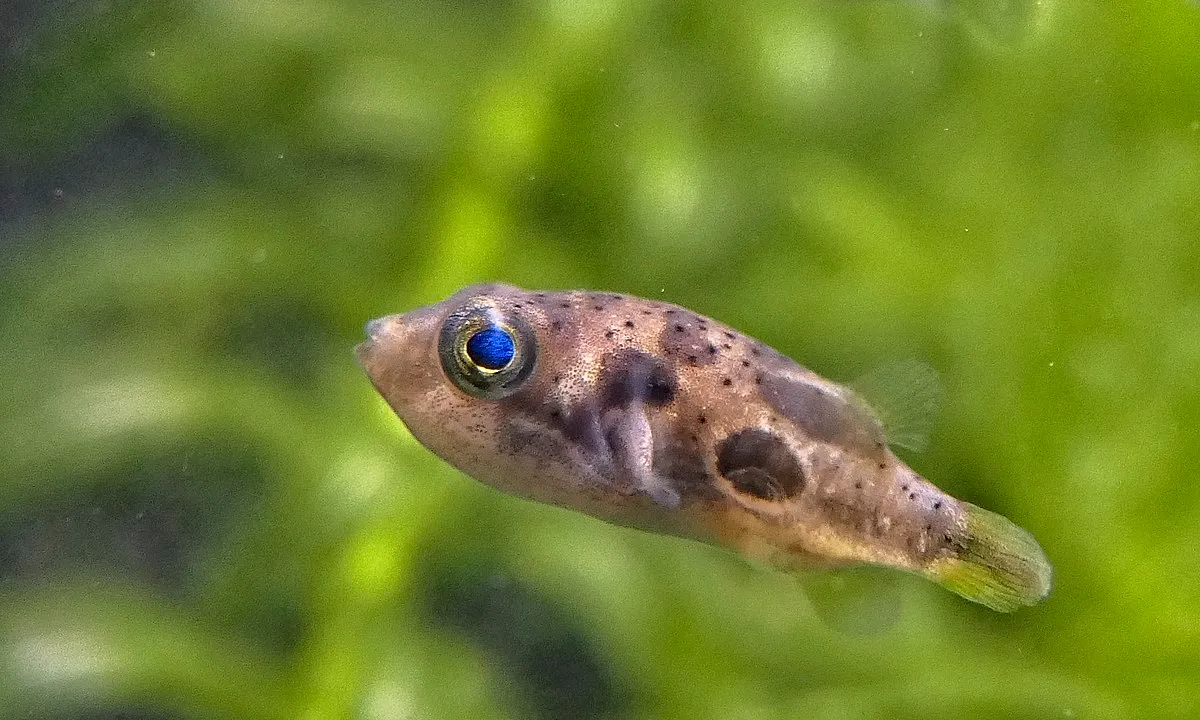
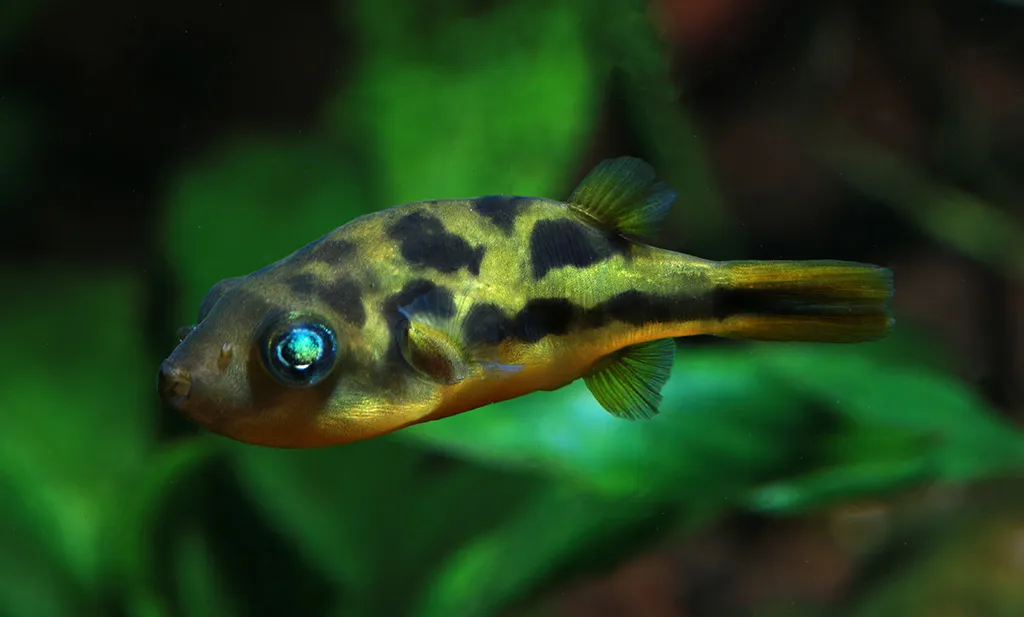
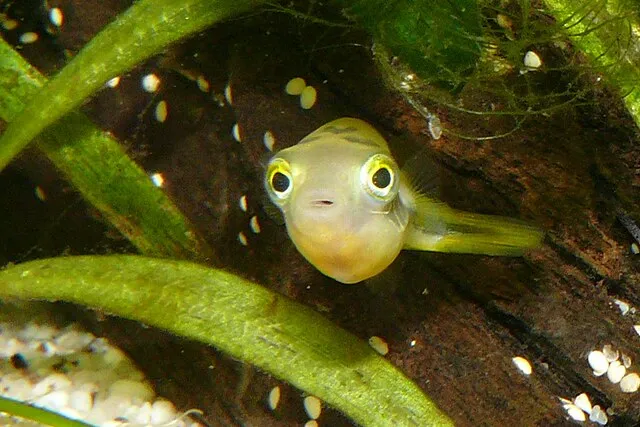
Pea Pufferfish (also called dwarf puffer or Malabar/pygmy puffer) are tiny, round freshwater fish with bright spots and big, curious eyes. They’re one of the smallest puffer species (about the size of a pea!), loved by hobbyists for their bold personalities and playful swims. Despite their small size, they are active, smart, and need special care compared with many common tropical fish.
Origin
- Pea puffers come from the slow, heavily planted rivers and streams of the Western Ghats in southwest India (Kerala and southern Karnataka). In the wild, they live among dense plants and breed in small groups.
Pea Pufferfish Temperament
- Mostly bold, curious, and very interactive with keepers.
- Can be territorial and sometimes nip at or bully other fish — especially other pea puffers if the tank is too small.
- They are not schooling fish; they like to explore, chase snails, and guard small territories.
Compatibility
- Best kept either alone or with very carefully chosen tankmates. Good options: very fast, robust mid-to-top swimmers that won’t be bothered by a puffer (but even these aren’t ideal).
- Avoid slow, long-finned, or shy fish (they may be nipped), and avoid shrimp or most small invertebrates because pea puffers like snails and small critters.
Pea Pufferfish Price range
- In India, the price of a Pea Pufferfish / Dwarf Pufferfish usually falls in the range of ₹300 to ₹800 per fish (small/juvenile, captive-bred), depending on city, availability, and health.
Characteristics
Temperament
Aggressive
Friendly
Compatibility with other fishes
Not Friendly
Super Friendly
Habitat Size
Small
Large


Pea Pufferfish Habitat Requirements
Initial Setup Cost
₹3,000 - ₹6,000
Water Temperature
24º -28ºC
Water Type
Fresh Water
PH Level
6.5 - 7.5
Tank type
- Freshwater only. They prefer calm, planted tanks with lots of hiding spots.
Pea Pufferfish Aquarium size
- Single puffer: minimum 5–10 gallons (20–40 L).
- Small group (very carefully managed): 10+ gallons (40+ L) and lots of space and plants. Bigger is always safer to reduce aggression.
Water conditions
- Temperature: about 24–28°C (75–82°F).
- pH: roughly 7.2–8.5 (stable is more important than exact number).
- Hardness: 5 and 20° dGH, low to moderate; keep parameters steady and test regularly.
Environment needs
- Dense live plants, lots of floating cover, caves, and smooth rocks. These give hiding spots and break lines of sight to reduce fights.
- Gentle filtration (sponge filters are great) — puffers dislike strong currents.
- Substrates can be fine gravel or sand. Avoid sharp decorations because puffer skin and barbels are delicate.
Essential Equipment
Aquarium tank
Water filter
Heater
Light
Substrate
Decor
Pea Pufferfish Nutritional Guide
Avg Monthly Expenses
₹50 - ₹ 100
Diet type
- Primarily carnivores, they need protein-rich foods and often prefer live or frozen foods.
Pea Pufferfish Suitable foods
- Best: live/frozen small snails, bloodworms, daphnia, brine shrimp. Snails help file down their ever-growing teeth (beak).
- Some will accept frozen or prepared meaty foods, but many pea puffers refuse flake or pellet-only diets. Offering snail meat or whole small snails helps dental health.
Feeding Frequency & Tips
- Feed small amounts 1–2 times daily. Remove uneaten food quickly to keep water clean.
- Rotate foods so they get varied nutrition. Offer snails regularly (or snail meat) so their teeth don’t overgrow. If teeth overgrow, they may need veterinary care or special feeding to wear teeth down.


Pea Pufferfish Health & Care
Common Health Issues
Fin rot
White spot / ick
Fungal infections
Parasites
Bacterial infections
Ammonia poisoning
Signs of good health
Active
Bright coloration
Good apetite
Signs of sickness
Loss of appetite
Lethargic behaviour
Dull coloring
Frequent hiding
White growths
Some of the common health issues found in Pea Pufferfish (Carinotetraodon travancoricus) are as follows:
Overgrown Teeth (Beak Issues):
Pea puffers have teeth that constantly grow. Their teeth might grow too long if they do not eat enough snails or similar foods. Due to this, eating becomes difficult for them. Their teeth are kept filed down via regularly offering shell-based food or snails.
Fungal and Bacterial Infections:
Poor water conditions or stress can lead to problems like fin rot, cloudy eyes, or body fungus. Symptoms may include faded colors, clamped fins, and refusal to eat. Treatment usually involves improving water quality and using appropriate fish-safe medications.
Parasitic Infestations:
New or stressed pea puffers may develop parasites like Ich (white spot disease). Signs include scratching against tank objects or white cysts on their body. Treatment requires anti-parasitic medication and keeping water parameters stable.
Preventive Care:
Before you are introducing them to the main aquarium, you must always quarantine new fish for about 2 or 3 weeks. Clean water and stable parameters must be maintained, and a balanced diet must be offered. For preventing diseases, it depends a lot on these actions.
Pea Pufferfish General Health Tips
- Test water regularly: ammonia and nitrite should always be 0, nitrates should be kept low.
- Use a gentle filter with low current to avoid stressing them.
- Reduce aggression and stress by keeping plenty of plants and hiding spaces.
- A varied, protein-rich diet helps improve immunity and overall health.
- Carry out regular partial water changes to maintain a stable, clean environment.
Prerequisites for a Fish
Adequate tank space
Cleanliness
Effort & commitment
Enriching Environment
Written by
Happy Pet TeamAuthor
Team Happy Pet is a passionate collective of pet experts, enthusiasts, and advocates dedicated to sharing trusted and insightful content.
Our cont
Frequently Asked Questions
Can Pea Pufferfish be kept with other fish?
Pea Pufferfish are known for their aggressive behavior, especially towards their own kind and other small fish. They are best kept alone or with other robust species that can tolerate their aggressive tendencies. Even in larger tanks, aggression can be an issue, so careful monitoring is essential.
Are Pea Pufferfish suitable for beginners?
Pea Pufferfish are not generally recommended for beginners due to their specific care requirements, aggression, and dietary needs. They are better suited for experienced aquarists who can provide the appropriate environment and attention they require.
What level of care do Pea Pufferfish require?
They require an intermediate level of care, making them suitable for experienced aquarists.