Home
/
Fish species
/
Pearlscale Cichlid
Pearlscale Cichlid
Origin
Mexico
Habitat Size
150-400 Liters
Water Type
Fresh Water
Water Temperature
24º-28ºC
Cost in India
₹200 - ₹300
Size
6 - 8 inches (Medium)
Diet
Omnivore

by Happy Pet TeamUpdated on 2 Dec 2025
Pearlscale Cichlids Fish Guide
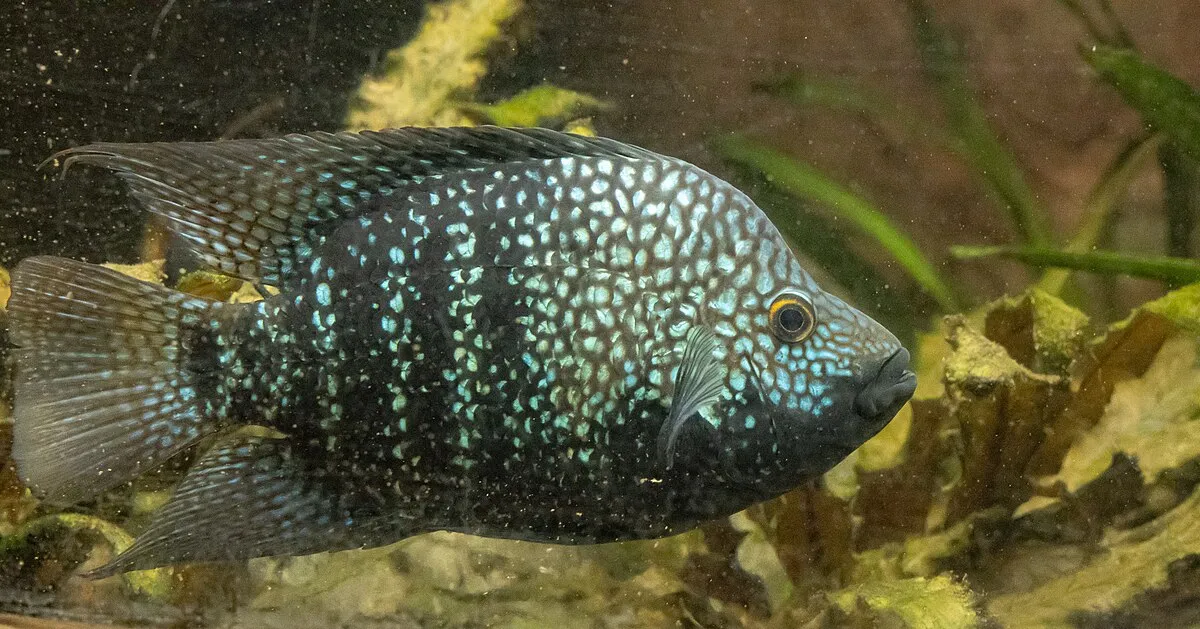
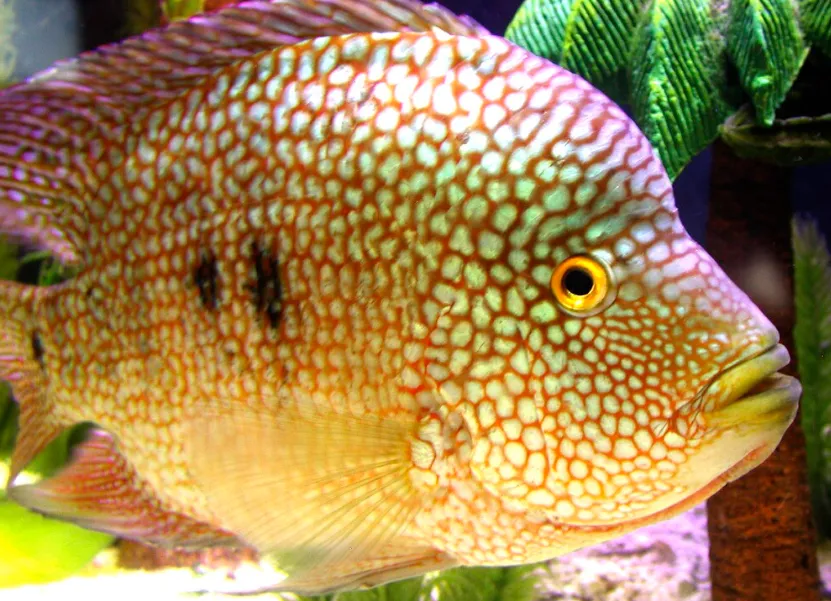
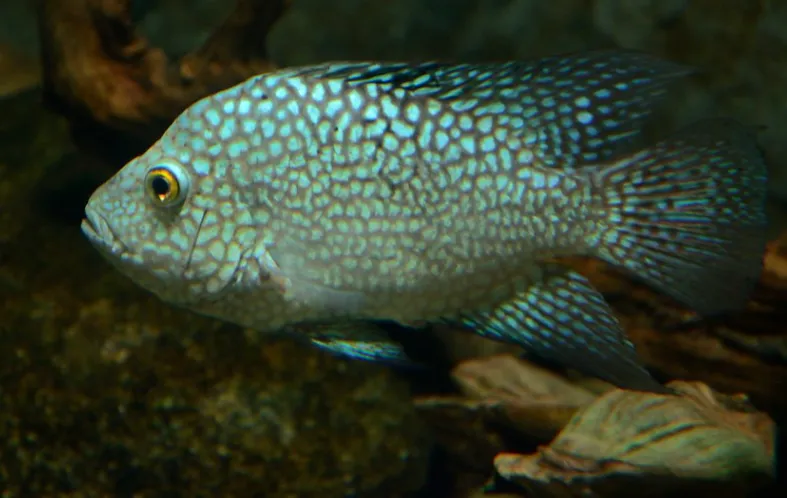
The Pearlscale Cichlids (Herichthys carpintis) are a beautiful freshwater fish with shiny, pearl-like spots on their scales. Its body is oval and laterally compressed, giving it a rounded look. It is popular among hobbyists because of its bright colors and interesting behavior.
Origin
- This fish is native to eastern Mexico, especially in the Pánuco River drainage and the Soto La Marina River.
- The name “carpintis” honors a type locality, Laguna del Carpinte near Tampico, Mexico.
- In the wild, it lives in both lagoons and river stretches. The habitat can be calm or somewhat flowing water.
Pearlscale Cichlids Temperament
- Pearlscale cichlids are territorial and can become very aggressive, especially during breeding.
- With their own kind, they may show moderate aggression but often settle hierarchies.
- They dig (move substrate) and will sometimes rearrange their environment.
Pearlscale Cichlids Compatibility
Live well with:
- Other large, equally robust cichlids (if the tank is big)
- Strong catfish species (e.g., plecos)
- Fish that can defend themselves and are not too timid
Avoid:
- Neon tetras are small, peaceful fish or other small rasboras that can be bullied or eaten
- Very timid species that cannot stand competition in its territory
- Pearlscale cichlids are relatively territorial. Therefore, they are best kept as a single species or with suitably compatible tankmates.
Pearlscale Cichlids Price Range
- In the Indian pet fish stores or online pet stores, the cost of Pearlscale Cichlids juveniles is between ₹800 and ₹2500, depending on their size and colors.
- Larger individuals, especially show-quality specimens, can sell for high prices.
Characteristics
Temperament
Aggressive
Friendly
Compatibility with other fishes
Not Friendly
Super Friendly
Habitat Size
Small
Large


Pearlscale Cichlids Habitat Requirements
Initial Setup Cost
₹10,000 - ₹30,000
Water Temperature
24º -28ºC
Water Type
Fresh Water
PH Level
7 - 8
Pearlscale Cichlids Tank Type
Aquarium Size
- Minimum for one adult: about 200 liters (≈55 gallons, 48" × 18" × 15" length × height × width in one profile) or larger as desired
Pearlscale Cichlids Water Conditions
- Temperature: 23°C to 28°C (75–79 °F)
- pH level: Neutral, 7.5 - 8.5 is good
- Hardness: Moderate (8 to 12 °dH)
Environment Needs
- Use fine sand or smooth gravel, because they dig.
- Provide rocks, caves, and hiding spots — flat surfaces help for their breeding.
- Plants are possible, but many robust species; expect they may be uprooted.
- Strong filtration, because they produce waste.
Essential Equipment
Aquarium tank
Water filter
Heater
Light
Substrate
Pearlscale Cichlids Nutritional Guide
Avg Monthly Expenses
₹200 - ₹ 300
Diet Type
- Omnivore (opportunistic feeder and can eat many food types)
Pearlscale Cichlids Suitable Foods
- Staple:
- Quality cichlid pellets
- Sinking sticks
- Flakes
- Live or frozen:
- Bloodworms
- Brine shrimp
- Mosquito larvae
- Chopped prawns
- Vegetables/algae matter:
- Spirulina flakes
- Blanched spinach or zucchini
Feeding Frequency & Tips
- Feed 1–2 times per day, in portions that they finish in a few minutes
- Don’t overfeed — leftovers harm water quality
- Vary food types to ensure proper nutrition


Pearlscale Cichlids Health & Care
Common Health Issues
Fin rot
White spot / ick
Swim bladder disease
Bacterial infections
Parasites
Velvet disease (yellowish-brown spots on the skin)
Signs of good health
Active
Bright coloration
Good apetite
Signs of sickness
Loss of appetite
Lethargic behaviour
Dull coloring
Tattered fins
White growths
Below are common Pearlscale Cichlids diseases or problems and their treatment:
Ich (White Spot Disease)
This is a parasite that causes tiny white spots all over the body and fins. The fish may rub itself against surfaces or seem irritated. Treatment options include raising the water temperature a bit. People may also use ich medications from aquarium shops or separate infected fish into a hospital tank.
Hole-in-the-Head Disease (Hexamita / HLLE)
Pits or holes in the head or body (usually in the lateral line) are caused by poor water quality and/or a dietary deficiency. Water quality should be improved, and a varied high vitamin diet may be administered, along with antiparasitics.
Bacterial Infections / Fin Rot
Fin edges look ragged, torn, or with cloudy edges. Bacteria may attack weak fish. This is treated by improving water quality and removing 25-50% of the water and replacing it with diluted anti-bacterial agents, and quarantining the infected fish if in a group.
Swim Bladder / Digestive Issues
Fish floating at the wrong angle may be due to overfeeding. They may also be unable to swim upright due to constipation or internal parasites. For these conditions, fasting for 1 day, feeding peas, and careful feeding are recommended. In severe cases, anti-parasitic medicines are needed.
Pearlscale Cichlids General Health Tips
- Someone should maintain the water quality via detritus removal and change 20-30% or more of the water monthly
- New fish should be quarantined before being introduced to the main tank
- Maintain stable water parameters (temperature, pH, hardness). Sudden changes stress fish
- Don’t crowd the tank — allow space to reduce stress and aggression
- Provide hiding places and a correct environment so fish feel safe
Prerequisites for a Fish
Adequate tank space
Cleanliness
Effort & commitment
Enriching Environment
Written by
Happy Pet TeamAuthor
Team Happy Pet is a passionate collective of pet experts, enthusiasts, and advocates dedicated to sharing trusted and insightful content.
Our cont
Frequently Asked Questions
What should to feed Pearlscale Cichlid?
Feed them a varied diet including high-quality cichlid pellets, live or frozen foods like brine shrimp and bloodworms, and occasional vegetables such as spinach or peas.
Are Pearlscale Cichlids aggressive?
They can be territorial, especially during breeding, so it’s important to provide ample space and hiding spots to reduce aggression.
Can Pearlscale Cichlids be kept with other fish?
They can be kept with other fish of similar size and temperament, but avoid pairing them with smaller or more docile species to prevent bullying.