Home
/
Fish species
/
Pygmy corydoras
Pygmy corydoras
Origin
Brazil
Habitat Size
20-50 liters
Water Type
Fresh Water
Water Temperature
22º-26ºC
Cost in India
₹50 - ₹150
Size
1 - 1.2 inches (Nano)
Diet
Omnivore

by Happy Pet TeamUpdated on 2 Dec 2025
Pygmy Corydoras Fish Guide
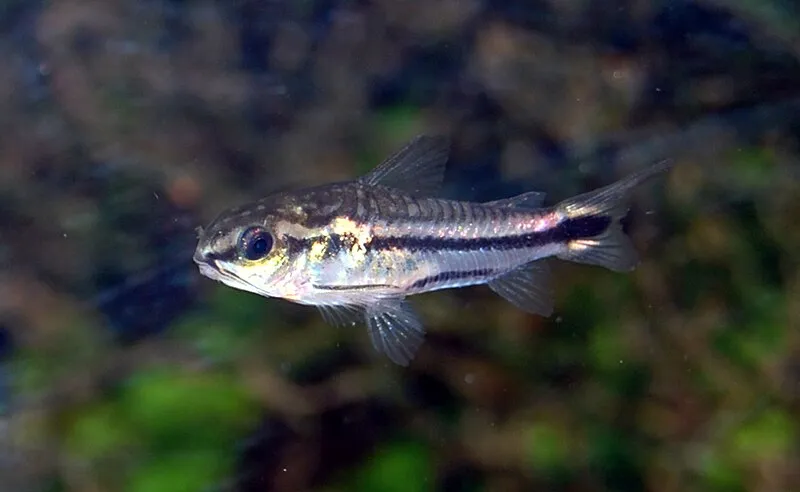
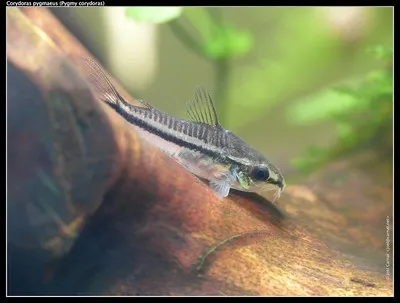
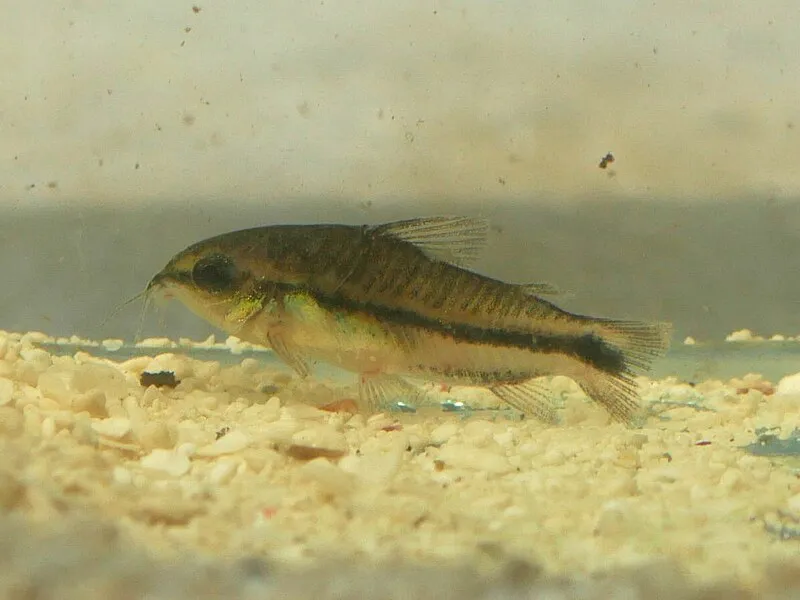
Pygmy Corydoras are tiny, peaceful catfish with a shiny silver body and a thin black line running from nose to tail. They are popular because they are small, active, and fun to watch as they swim in little groups near the bottom and middle of the tank. These little fish are unique because they behave like a school (many fish together) and like to sift sand looking for tiny food.
Origin
- Pygmy Corydoras come from parts of South America - rivers and small streams in:
- Brazil
- Peru
- Ecuador (Madeira, Nanay, and Aguarico river areas)
- They were first described by scientists in 1966
Pygmy Corydoras Temperament
- They are very peaceful, shy at first, and happiest in groups (shoals).
- In a bigger group, they look and act natural — darting about together, digging gently in the sand, and exploring plants.
Compatibility
Good tankmates:
- Small, calm fish like:
- Ember Tetras
- Micro Rasboras
- Peaceful shrimp and snails
Avoid:
- Big or aggressive fish that might bully or eat them
- They do best with peaceful community tanks or planted species tanks
Pygmy Corydoras Price Range in India
In India, Pygmy Corys are usually inexpensive
- Typical retail prices: ₹100–₹250 per fish
- For packs (6 fish): ₹800–₹1,200
Characteristics
Temperament
Aggressive
Friendly
Compatibility with other fishes
Not Friendly
Super Friendly
Habitat Size
Small
Large


Pygmy Corydoras Habitat Requirements
Initial Setup Cost
₹3,000 - ₹6,000
Water Temperature
22º -26ºC
Water Type
Fresh Water
PH Level
6 - 7.5
Pygmy Corydoras Tank Type
- Freshwater tropical fish
Aquarium size
- 20 litres (5–10 US gallons) for a small group
- Bigger is better because they love to shoal (10 or more fish is ideal)
- A longer tank gives more space to swim
Pygmy Corydoras Water Conditions
- Temperature: 22–26 °C (72–79 °F)
- pH: 6.0–7.5
- Hardness: soft to moderately hard (2–25 dGH)
- These match their native tropical streams
Environment Needs
- Substrate: fine sand or very smooth gravel so their tiny barbels (whiskers) don’t get damaged.
- Plants & hiding spots: Lots of live plants, small roots, and gentle hiding places make them feel safe.
- Lighting: normal aquarium lighting; moderate light helps plants and keeps fish calm.
- Flow: gentle water flow — they come from slow streams.
Essential Equipment
Aquarium tank
Water filter
Heater
Light
Substrate
Decor
Pygmy Corydoras Nutritional Guide
Avg Monthly Expenses
₹50 - ₹ 150
Diet Type
- Omnivore (they eat both animal and plant matter)
Pygmy Corydoras Suitable Foods
- Sinking micro foods: tiny pellets or wafers that sink
- Frozen/live foods:
- Microworms
- Baby brine (Artemia)
- Daphnia — they love small live or frozen foods
- Flakes (crumbled) can be accepted, but sinking foods are better since they feed at the bottom.
Feeding Frequency & Tips
- Feed small amounts 1–2 times daily so food is finished in a minute or two
- Offer a varied diet: mainly sinking micro pellets/wafers plus occasional live or frozen treats
- Avoid overfeeding — leftover food pollutes the water


Pygmy Corydoras Health & care
Common Health Issues
Fin rot
White spot / ick
Columnaris (cotton wool-like growth on the skin)
Swim bladder disease
Bacterial infections
Parasites
Signs of good health
Active
Bright coloration
Good apetite
Signs of sickness
Loss of appetite
Lethargic behaviour
Dull coloring
Frequent hiding
Swimming abnormally
Pygmy Corydoras common health issues
Ich (White Spot Disease)
Ich is a parasite that shows as tiny white dots on fins and the body. Infected fish may scratch against objects and breathe fast. To cure that, raise the temperature slightly (carefully), do partial water changes, and use a reliable ich treatment medication following instructions. Salt baths (for species that tolerate it) or medicated anti-parasitic drops can help. Quarantine new fish to prevent ich from entering your tank.
Fin rot (bacterial infection)
Fin rot causes frayed, slimy, or disappearing fins. It often appears after poor water quality or injury. The condition can be treated by improving the water quality (especially the nitrates), removing any tankmates that are stressing the fish, adding a broad-spectrum antibacterial medication, and maintaining good water quality and feeding.
Barbel damage and fungal/bacterial infections
Pygmy Corydoras have small, sensitive barbels; a sharp substrate or sand with grit can cause bleeding and even infection (redness, swelling) if they are damaged. Prevent this by using fine sand and gentle cleaning. If infection appears, clean water, salt dips where appropriate, and antibacterial treatment for fish can help. A good diet and low stress speed recovery.
Pygmy Corydoras General Health Tips
- Keep water clean with regular partial changes
- Use fine sand substrate
- Keep them in groups (10+ if possible) and avoid boisterous tankmates
- Quarantine new arrivals before adding to the main tank
- Feed varied foods and don’t overfeed
Prerequisites for a Fish
Adequate tank space
Enriching Environment
Effort & commitment
Cleanliness
Written by
Happy Pet TeamAuthor
Team Happy Pet is a passionate collective of pet experts, enthusiasts, and advocates dedicated to sharing trusted and insightful content.
Our cont
Frequently Asked Questions
How many Pygmy Corydoras should be kept together?
Pygmy Corydoras are social fish and should be kept in groups of at least six to exhibit natural behavior and reduce stress.
Can Pygmy Corydoras live with shrimp?
Yes, Pygmy Corydoras are peaceful and can coexist with shrimp species like Cherry Shrimp and Amano Shrimp.
Do Pygmy Corydoras need a heater?
Yes, Pygmy Corydoras require a heater to maintain a stable water temperature between 22-26°C