Home
/
Fish species
/
Raccoon Butterfly
Raccoon Butterfly
Origin
Indo-Pacific
Habitat Size
150-400 Liters
Water Type
Salt Water
Water Temperature
24º-28ºC
Cost in India
₹200 - ₹300
Size
7 - 8 inches (Medium)
Diet
Omnivore

by Happy Pet TeamUpdated on 1 Dec 2025
Raccoon Butterfly Fish Guide
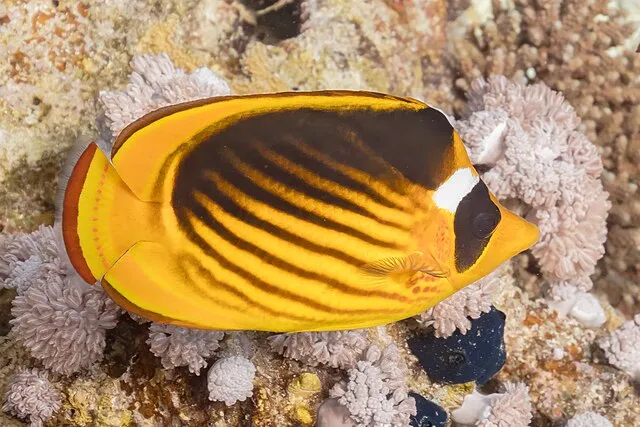
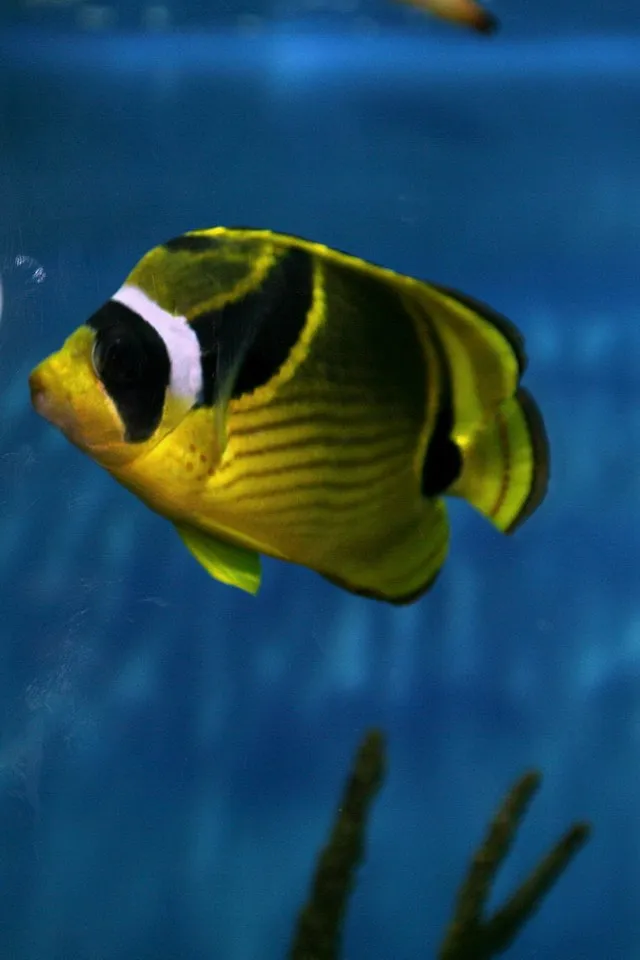
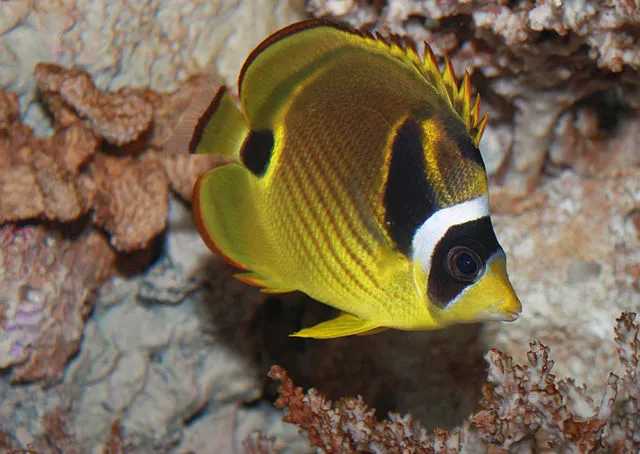
The Raccoon Butterfly fish (Chaetodon lunula) is a bright, round fish with a black “mask” across its eyes — that’s why people call it “raccoon.” It is yellow to brown with thin lines on its body and a bold dark patch near the tail. Many people like this fish because it is pretty, easy to notice on reefs, and can learn to eat prepared foods in aquariums.
Raccoon Butterfly fish Origin
- These fish live across the Indo-Pacific — from East Africa and the Indian Ocean to Hawaii, Japan, and parts of Australia.
- In the wild, they live on shallow reef flats and seaward reefs, often in pairs or small groups.
Temperament
- Raccoon Butterflyfish are mostly peaceful but can show some bossy behavior.
- They like to swim a lot and sometimes chase smaller fish or nip at invertebrates.
- They often pair up or form small groups.
- In a tank, they may be shy at first, but can become bold once settled.
Compatibility
- Good tankmates: peaceful, medium-sized reef fish that are not tiny or slow (e.g., tangs, wrasses, some gobies).
- Avoid: small shrimp, delicate corals, clams, and very small fish that could be picked on or eaten. Also, be cautious with similar butterflyfish — two similar species may fight unless added together.
Raccoon Butterfly Price Range
In India, Raccoon Butterfly typical retail prices can be around ₹1,500–₹3,000 depending on size and availability.
Characteristics
Temperament
Aggressive
Friendly
Compatibility with other fishes
Not Friendly
Super Friendly
Habitat Size
Small
Large


Raccoon Butterfly Fish Habitat Requirements
Initial Setup Cost
₹10,000 - ₹30,000
Water Temperature
24º -28ºC
Water Type
Salt Water
PH Level
8.1 - 8.4
Raccoon Butterfly Tank Type
- Saltwater (marine) aquarium only. Do not keep in freshwater or brackish tanks.
- Best kept in a well-cycled, stable marine system.
Aquarium Size
- 400 liters (about 100+ gallons) for one adult. They need room to swim. Smaller tanks stress them and make care harder.
Water Conditions
- Temperature: 23–27 °C (75–82 °F)
- pH: 8.1–8.4
- Specific gravity (salinity): 1.020–1.026
- Hardness/alkalinity: typical marine reef levels (follow local test kit guidance)
Environment Needs
- Plenty of live rock for grazing, hiding, and exploring.
- Open swimming space plus caves or crevices for retreat.
- Moderate lighting — normal reef lighting is fine.
- Strong filtration and steady water quality are very important.
Essential Equipment
Aquarium tank
Water filter
Heater
Light
Substrate
Decor
Raccoon Butterfly Fish Nutritional Guide
Avg Monthly Expenses
₹200 - ₹ 300
Raccoon Butterfly Diet Type
- Omnivore leaning toward algae, along with animal foods. It eats tubeworms as well as algae in the wild. Also, it does consume the small invertebrates as well as sea urchin morsels.
Suitable Foods
- Frozen mysis and brine shrimp (as treats)
- Marine meaty mixes (small crustaceans)
- Seaweed/nori and spirulina for algae needs
- High-quality marine pellets and flakes that contain spirulina or marine algae
- Some specimens accept prepared foods faster than others — a varied diet is best.
Feeding Frequency & Tips
- Feed small amounts 2–3 times per day. New or picky fish may need 3–4 small feedings.
- Offer both meat and algae foods to cover its needs.
- Appetite should be monitored with care. One can offer fresh seafood or live zooplankton to promote eating if it refuses food.


Raccoon Butterfly Fish Health & Care
Common Health Issues
Velvet disease (yellowish-brown spots on the skin)
White spot / ick
Fin rot
Parasitic infections
Fungal infections
Bacterial infections
Signs of good health
Active
Bright coloration
Good apetite
Signs of sickness
Loss of appetite
Lethargic behaviour
Dull coloring
Swimming abnormally
White growths
Common Health Issues
- Stress from poor water quality (leading to ich or other parasites)
- Nutritional deficiency if the diet is not varied
- Nipping or injury from aggressive tankmates
Symptoms to Watch
These signs can show sickness.
- Loss of color or spots
- Lack of appetite
- Hiding a lot
- Rapid breathing
- Frayed fins
Treatment
- Quarantine new fish before you are adding them to the main tank for some weeks.
- Maintain stable, clean water.
- For the treatment of parasites, use a saltwater hospital tank.
- For medication, follow guides under a trusted hobbyist or aquarium vet.
Raccoon Butterfly Fish General Health Tips
- Regular water tests and partial water changes
- Provide a varied diet and proper tank mates
- Temperature shifts plus any sudden lighting must be avoided
- Observers may catch problems in an early stage if they watch on a regular basis.
Prerequisites for a Fish
Adequate tank space
Cleanliness
Effort & commitment
Enriching Environment
Written by
Happy Pet TeamAuthor
Team Happy Pet is a passionate collective of pet experts, enthusiasts, and advocates dedicated to sharing trusted and insightful content.
Our cont
Frequently Asked Questions
What do Raccoon Butterflyfish eat?
They primarily feed on coral polyps, small invertebrates, and algae. In captivity, they can be fed a diet of varied marine foods including frozen shrimp, mysis shrimp, and other meaty preparations.
What are common health issues for Raccoon Butterflyfish?
White spot, velvet disease, bacterial infections, among others.
Are Raccoon Butterflyfish easy to care for in aquariums?
They require a well-established aquarium with plenty of live rock and hiding spots. Water quality should be excellent, and they need a diet that mimics their natural feeding habits. They can be sensitive to poor water conditions and should be housed with peaceful tankmates.