Home
/
Fish species
/
Robineau's Corydoras
Robineau's Corydoras
Origin
Brazil
Habitat Size
50 - 150 Liters
Water Type
Fresh Water
Water Temperature
22º-26ºC
Cost in India
₹80 - ₹150
Size
2 - 3 inches (Small)
Diet
Omnivore

by Happy Pet TeamUpdated on 20 Nov 2025
Robineau’s Corydoras Fish Guide
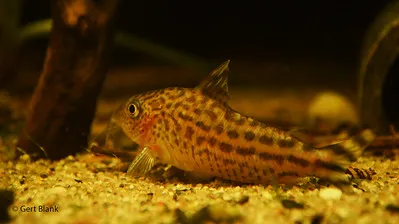
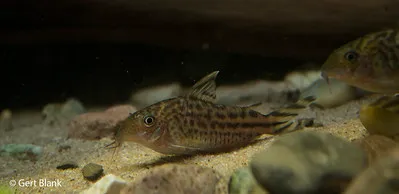
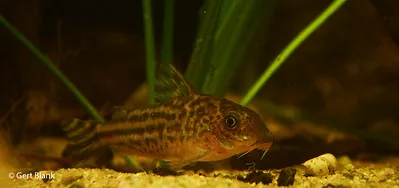
Robineau’s Corydoras is a charming little bottom-dweller catfish that brightens community tanks with its patterned body and distinctive flag-like tail. This species is friendly as well as active and endlessly curious. It is also known among hobbyists as the Bannertail Corydoras or Flagtail Corydoras, perfect for pet-parents who enjoy watching gentle daytime foragers explore sand and plants. Its peaceful nature and attractive looks make Robineau’s Corydoras a favourite for well-kept freshwater community fish tanks.
Robineau’s Corydoras Origin
- Native to South America, mainly tributaries of the Rio Negro basin in Brazil.
- Often referenced under the scientific name Corydoras robineae.
Robineau’s Corydoras Tempérament
- Very peaceful and social; classic shoaling behaviour
- Bottom-dwelling catfish that forages actively and prefers a calm tank
Robineau’s Corydoras Compatibility
- Good tank mates: Small tetras and rasboras, along with peaceful gouramis and guppies, plus platies to dwarf cichlids.
- Avoid: Avoid large aggressive species. Such species may bully or outcompete for food sources.
Robineau’s Corydoras Price Range (India)
- Rarer than common cory species; expect roughly ₹800 - ₹1,500 per fish depending on size and availability.
- Common Robineau’s Corydoras species in India are usually cheaper (₹100 - ₹400).
Characteristics
Temperament
Aggressive
Friendly
Compatibility with other fishes
Not Friendly
Super Friendly
Habitat Size
Small
Large


Robineau Corydoras Habitat Requirements
Initial Setup Cost
₹4,000 - ₹12,000
Water Temperature
22º -26ºC
Water Type
Fresh Water
PH Level
6 - 7.5
Robineau’s Corydoras Tank Type
- Freshwater aquarium only
Robineau’s Corydoras Aquarium Size
- For just a small group of six to eight Robineau’s Corydoras, 80 litres at a minimum, or about 20 gallons. Larger tanks improve behaviour and stability in turn.
Robineau’s Corydoras Water Conditions
- Temperature: It is from 22°C to 26°C
pH level
- 6.0, 7.5: pH values (weakly acid to normal)
Hardness
- Aim for ~2 to 12 dGH; soft to moderately hard
Essential Equipment
Aquarium tank
Water filter
Heater
Light
Substrate
Decor
Robineau’s Corydoras Environment Needs
Avg Monthly Expenses
₹80 - ₹ 150
- Substrate: Fine sand or very smooth, rounded gravel, substrate for the protection of delicate barbels
- Plants & decor: Live plants (Java fern, Anubias, Amazon sword), driftwood, smooth rocks, with hiding caves
- Lighting: Moderate; floating plants provide shaded pockets they like
- Filtration & flow: Good filtration and a gentle flow are favored because they dislike strong currents
- Water changes: Regular partial water changes of 20 to 30% should be performed weekly. These changes will keep parameters under control.


Robineau’s Corydoras Health & Care
Common Health Issues
Fin rot
White spot / ick
Fungus
Swim bladder disease
Bacterial infections
Ammonia poisoning
Signs of good health
Active
Bright coloration
Good apetite
Undamaged fins
Signs of sickness
Loss of appetite
Lethargic behaviour
Tattered fins
Swimming abnormally
Increased breathing rate
Some of the common health issues found in Robineau’s Corydoras (Corydoras robineae) are as follows:
- Barbel Damage or Infection: This often happens if the substrate is too sharp or if the water quality is poor. Damaged barbels may appear shortened or frayed. Switching to a soft, smooth substrate and maintaining clean water can help with healing.
- Fungal and Bacterial Infections: Poor tank hygiene or unstable parameters can lead to infections such as fin rot or cloudy eyes. Symptoms include lethargy, clamped fins, and loss of appetite. Treatment involves improving water quality and using suitable medications.
- Parasitic Problems: Fish newly imported or stressed remain prone to parasites, showing signs like scratching against surfaces or white spots (Ich). Always follow the dosing instructions upon using anti-parasitic treatments. The treatments should be safe for all of the community tanks.
- Preventive Care: Quarantine all of the new fish for about 2 or 3 weeks. The introduction of them into the main tank should only happen after the completion of this period. Most health issues are prevented a long way by stable parameters, regular water changes, and a smooth substrate.
Robineau’s Corydoras General Health Tips
- Test water regularly: ammonia and nitrite should be zero; nitrates should be low.
- Provide a mild yet tough filter to prevent overpopulation.
- For stress reduction, keep tank mates peaceful and provide hiding places.
- Immunities with longevity are supported via regular partial water changes along with a varied diet.
Prerequisites for a Fish
Adequate tank space
Cleanliness
Effort & commitment
Enriching Environment
Written by
Happy Pet TeamAuthor
Team Happy Pet is a passionate collective of pet experts, enthusiasts, and advocates dedicated to sharing trusted and insightful content.
Our cont
Frequently Asked Questions
How many Robineau's Corydoras should I keep together?
It’s best to keep them in groups of at least 5 to ensure they feel secure and exhibit natural behavior.
What should I feed my Robineau's Corydoras?
A mix of high-quality flakes, pellets, and occasional live or frozen foods will keep them healthy and vibrant.
What tank mates are suitable for Corydoras robineae?
They do well with other peaceful species such as tetras, guppies, and other small community fish.