Home
/
Fish species
/
Royal Pleco
Royal Pleco
Origin
South America
Habitat Size
50-150 Liters
Water Type
Fresh Water
Water Temperature
23º-27ºC
Cost in India
₹200 - ₹300
Size
10 - 16 inches (Medium)
Diet
Herbivore

by Happy Pet TeamUpdated on 2 Dec 2025
The Royal Pleco Fish Guide
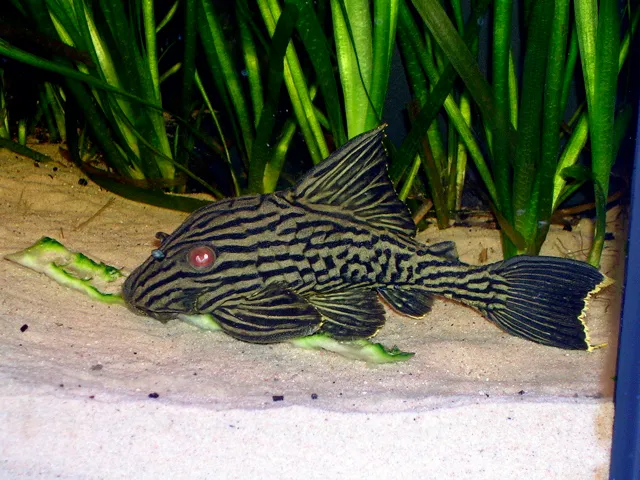
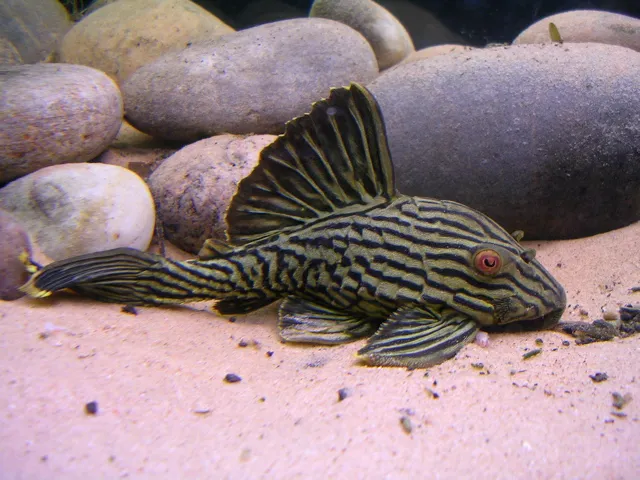
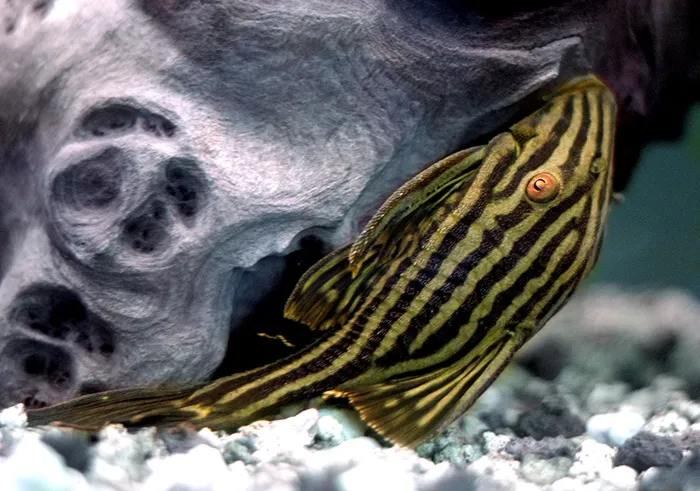
The Royal Pleco (Panaque nigrolineatus) is a big, strong-looking catfish with dark stripes that many people love for large aquariums. It’s special because it eats and digests wood — not many fish do that — and it spends a lot of time scraping food off driftwood with its round suckermouth. Young fish hide a lot and become more confident as they grow.
Royal Pleco Origin
- Comes from South America — mainly the Orinoco and parts of the Amazon (Colombia, Venezuela, Brazil)
- Wild varieties and trade variants (L-numbers like L190 / L191) are common in the aquarium hobby
Temperament
- Mostly peaceful and slow-moving
- Nocturnal — more active at night and shy in bright light
- Can be territorial toward the same species or similar plecos if the space is too small
Royal Pleco Compatibility
Good with calm community fish that are mid-to-top swimmers, such as:
- Congo Tetra
- Silver Dollar Fish
- Black Skirt Tetra
- Jaguar Cichlid
- Headstanders
- Rummy Nose Tetra
- Silver Arowana
Avoid:
- Very small fish that the pleco could stress, or very aggressive species that bully bottom dwellers
- Also, avoid other large wood-eating plecos in cramped tanks
Royal Pleco Price in India
- Juveniles and small specimens in India often sell around ₹2,700 – ₹3,100 for common L190 / L191 types (prices vary by size and seller)
- Larger or rarer variants can cost more
Characteristics
Temperament
Aggressive
Friendly
Compatibility with other fishes
Not Friendly
Super Friendly
Habitat Size
Small
Large


Royal Pleco Habitat requirements
Initial Setup Cost
₹10,000 - ₹30,000
Water Temperature
23º -27ºC
Water Type
Fresh Water
PH Level
6 - 7.5
Tank type
Royal Pleco Aquarium size
- 125 gallons (≈450 L) for an adult L190
- Some variants need 180+ gallons as they grow very large (many can reach 35–43 cm / 14–17 in in time)
- Give plenty of floor space
Water conditions
- Temperature: 22–30°C (76–82°F)
- pH: 6.5–7.5 (slightly acidic to neutral)
- Water hardness: soft to moderately hard — keep ammonia and nitrite at 0 ppm, nitrate low
Royal Pleco Environment needs
- Lots of driftwood — both for hiding and as a food source (they rasp wood and feed on the biofilm)
- Strong filtration and good oxygenation — these are large, messy fish that need clean, well-oxygenated water
- Provide caves, large roots, and hiding spots so the pleco can rest during the day. Keep the lighting dim or add shady spots
Essential Equipment
Aquarium tank
Water filter
Heater
Light
Substrate
Royal Pleco Nutritional Guide
Avg Monthly Expenses
₹200 - ₹ 300
Royal Pleco Diet type
- Primarily herbivore / xylophagous (wood-eating plus plant-based foods)
- In aquaria, they are best treated as mainly plant-eaters with a need for wood
Suitable foods
- Driftwood (essential) — the fish rasp wood and digest wood-associated microbes
- Vegetables:
- Blanched zucchini
- Cucumber
- Sweet potato
- Peas
- Sinking herbivore wafers, algae wafers, spirulina pellets.
- Occasional protein (bloodworm or shrimp) is okay for variety, but should not be the main diet.
Royal Pleco Feeding frequency & tips
- Offer small portions daily or every other day
- Remove uneaten soft foods after a few hours to keep the water clean
- Always keep driftwood in the tank — it’s not just decor, it’s part of their diet and digestion.


Royal Pleco Health & Care
Common Health Issues
Fin rot
Pop eye (swollen eyes)
Color dimming
White spot / ick
Anchor worm
Fungal infections
Signs of good health
Active
Good apetite
Signs of sickness
Loss of appetite
Lethargic behaviour
Frequent hiding
Dull coloring
Swimming abnormally
Like all aquarium fish, the Royal Pleco needs clean water, a proper diet, and enough space to stay healthy. When their surroundings are not right or their food lacks nutrients, they can easily get sick. Below are some common Royal Pleco health problems and how to care for them.
Ich (White Spot Disease)
Ich is caused by a parasite and shows as tiny white dots on the body and fins. In royal plecos, you may first notice rubbing or hiding more than visible spots because plecos can mask signs. Raise the temperature a little and treat with a pleco-safe anti-ich medication, but always check the product is safe for bottom-dwellers and for wood-eaters. Keep water very clean while treating, and do partial water changes to lower stress. (Symptoms: scratching, reduced appetite; Treatment: medicated baths or tank treatment appropriate for catfish, improved water quality.)
Skin or fin infections (bacterial)
Ragged fins, red patches, or cloudy eyes within fish may come from bacterial infections from cuts, poor water quality, or stress. Improved water conditions may resolve these. The removal of the affected fish to a quarantine tank may also resolve these. There are broad-spectrum antibiotics safe enough around catfish. Good hygiene, a healthy, well-run tank, along with the best food possible, can help prevent these infections. Water changes, antibacterial medications, and better food can remedy torn fins and lack of energy.
Malnutrition/undernourishment
Many young royal plecos are imported thin and need special care to recover. Signs include a thin body, low activity, and poor color. Offer high-quality vegetable diets, algae wafers, and constant access to driftwood; monitor weight and feeding closely. Recovery can take weeks, but it is possible with steady, appropriate food and very clean water. (Symptoms: thin body, low growth; Treatment: nutrient-rich plant foods, wood access, patience.)
Royal Pleco General health tips
- Keep excellent water quality (0 ammonia/nitrite; low nitrate)
- Use strong filtration and perform regular water changes
- Provide constant access to driftwood and a varied plant-based diet
- Quarantine new fish to avoid introducing diseases
Prerequisites for a Fish
Adequate tank space
Cleanliness
Effort & commitment
Enriching Environment
Written by
Happy Pet TeamAuthor
Team Happy Pet is a passionate collective of pet experts, enthusiasts, and advocates dedicated to sharing trusted and insightful content.
Our cont
Frequently Asked Questions
Are Royal Plecos suitable for beginners?
Royal Plecos are more suitable for aquarists with intermediate experience due to their specific care needs.
What are common health issues for Royal Plecos?
Common issues include fin rot, pop eye (swollen eyes), color dimming, white spot (Ich), anchor worm, and fungal infections.
What should I do if my Royal Pleco shows signs of illness?
Quarantine the fish, test the water parameters, and seek advice from a veterinarian for appropriate treatment.