Home
/
Fish species
/
Schwartz's Corydoras
Schwartz's Corydoras
Origin
South America
Habitat Size
50-150 liters
Water Type
Fresh Water
Water Temperature
22º-26ºC
Cost in India
₹80 - ₹150
Size
2.5 - 3 inches (Small)
Diet
Omnivore


by Happy Pet TeamUpdated on 2 Dec 2025
Schwartz's Corydoras Fish Guide
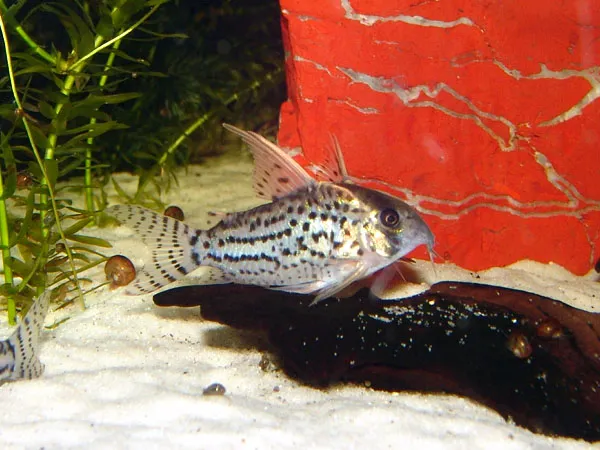
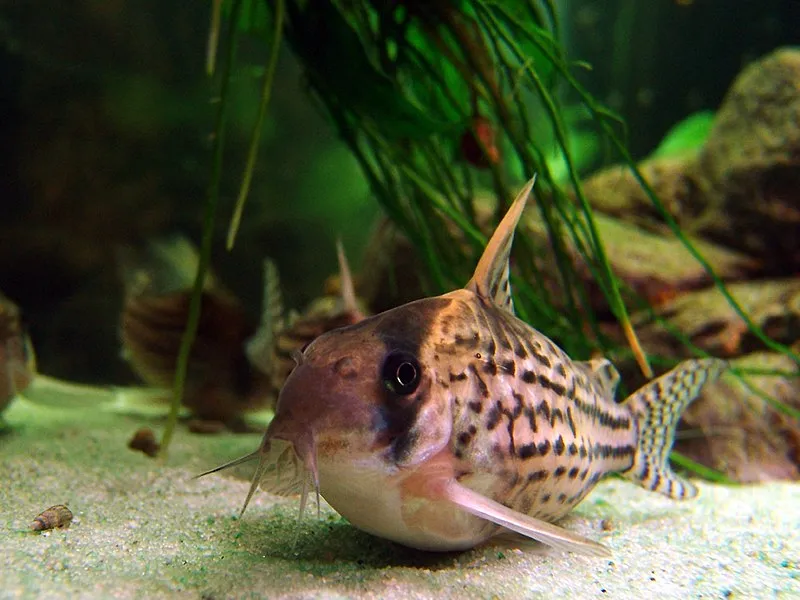
Schwartz's Corydoras is a small, peaceful, and playful freshwater catfish. It has a pale body with dark stripes and spots, and little whiskers (barbels) it uses to find food. People like it because it stays small, looks cute when it forages the bottom, and gets along with many other calm fish.
Origin
- Native to Brazil, mainly in the Purus River basin in the Amazon region
- First described in 1963 by Jacques Géry
- Named in honor of fish collector Hans-Willi Schwartz, who helped collect the species
- Found in clear, slow-moving streams with sandy bottoms
Schwartz's Corydoras Temperament
- Peaceful and shy fish
- Feels comfortable in groups (shoals) of at least 5 or more
- Spends most of the time at the bottom searching for food
- Rarely fights or disturbs other fish
Compatibility
Gets along with:
- Small Tetras (like Neon or Ember Tetras)
- Rasboras
- Guppies and Platies
- Other peaceful Corydoras species
Avoid keeping with:
- Large or aggressive fish like Cichlids or Barbs
- Fish that nip fins or chase smaller ones
Schwartz's Corydoras Price Range
- In India, Corydoras species are imported and priced based on rarity
- Average range: ₹250 – ₹900 per fish
- Rare or imported batches may cost more
- Price may vary by location and tank-bred vs wild-caught fish
Characteristics
Temperament
Aggressive
Friendly
Compatibility with other fishes
Not Friendly
Super Friendly
Habitat Size
Small
Large


Schwartz's Corydoras Habitat Requirements
Initial Setup Cost
₹4,000 - ₹12,000
Water Temperature
22º -26ºC
Water Type
Fresh Water
PH Level
6 - 7.5
Tank Type
- Freshwater tropical tank
- Ideal for community aquariums with peaceful fish
Schwartz's Corydoras Aquarium Size
- Keep a minimum of 40–60 litres (10–15 gallons) for a small group
- Larger tanks help them swim freely and feel safe
- Most experts suggest wide tanks with a soft sand bottom
Water Conditions
- Temperature: 22–26°C (72–79°F)
- pH level: 6.0 – 8.0
- Water hardness: 2–25 dGH
- Stable, clean water helps prevent stress and diseases
Schwartz's Corydoras Environment Needs
- Substrate: Soft sand is preferred to protect their whiskers
- Plants: Live plants like Java Fern, Anubias, or Amazon Sword
- Decorations: Add driftwood, rocks, and caves for hiding
- Lighting: Moderate — not too bright
- Water Flow: Gentle or moderate, never strong
Essential Equipment
Aquarium tank
Water filter
Heater
Light
Substrate
Decor
Schwartz's Corydoras Nutritional Guide
Avg Monthly Expenses
₹80 - ₹ 150
Schwartz's Corydoras Diet Type
- Omnivore – eats both plant and animal matter
Suitable Foods
- Sinking pellets or tablets for bottom feeders
- Frozen or live foods:
- Bloodworms
- Brine shrimp
- Daphnia
- Vegetable matter: Blanched peas or cucumber slices (occasionally)
- Variety ensures balanced nutrition
Schwartz's Corydoras Feeding Frequency & Tips
- Feed 1–2 small meals daily
- Give only what they finish within 2–3 minutes
- Use sinking food so it reaches the bottom
- Remove uneaten food to keep the water clean
- Rotate foods to add variety


Schwartz's Corydoras Health & Care
Common Health Issues
Fin rot
Bacterial infections
Fungal infections
White spot / ick
Swim bladder disease
Signs of good health
Active
Bright coloration
Good apetite
Signs of sickness
Loss of appetite
Lethargic behaviour
White growths
Cloudy eyes
Tattered fins
Schwartz's Corydoras common health issues
Fin Rot
Fin rot is a bacterial problem that makes fins look ragged or frayed. You may see the edges turn white or brown, then shrink. It often happens after poor water quality or stress. Fixing it means improving water (regular changes), keeping the tank clean, and using a recommended antibiotic from a fish store if it’s severe. Quarantining the sick fish helps stop the spread.
Ich (White Spot Disease)
Ich is a parasite that causes tiny white dots on the fish, plus rubbing on decorations, slow swimming, or less appetite. A common fix is raising the temperature slightly (follow care guides), doing salt dips if safe, and using anti-parasitic medicine per instructions. Always follow dosing instructions and remove activated carbon from filters during treatment.
Fungal Infections
These look like white cottony clumps on skin or fins. They often happen after injury or because the water is poor. To treat them usually requires that you improve water quality, remove damaged plants and ornaments, and apply antifungal medications labelled for aquarium use. Quarantine very infected fish.
Bacterial Infections (Columnaris)
Bacterial infections show themselves through some factors. These factors involve ulcers, white or gray patches over the mouth or gills, or gills that move fast. To treat, improve water quality, use medicated food or antibiotics for aquariums, and isolate fish. Early action works best.
Schwartz's Corydoras General Health Tips
- Change 25% of tank water weekly
- Avoid overfeeding
- Keep a stable temperature and clean filters
- Quarantine new fish for at least 10–14 days before adding to the main tank
- Watch behavior daily for early signs of sickness
Prerequisites for a Fish
Adequate tank space
Cleanliness
Effort & commitment
Financial Capability
Written by
Happy Pet TeamAuthor
Team Happy Pet is a passionate collective of pet experts, enthusiasts, and advocates dedicated to sharing trusted and insightful content.
Our cont
Frequently Asked Questions
How many Schwartz's Corydoras should be kept together?
They are social fish and should be kept in groups of at least five.
They are social fish and should be kept in groups of at least five.
A minimum tank size of 20 gallons (75 liters) is recommended.
What do Schwartz's Corydoras eat?
They are omnivores and enjoy a varied diet of high-quality flake or pellet food, live or frozen foods, and vegetables.