Home
/
Fish species
/
Seahorse
Seahorse
Origin
Australia
Indonesia
Mediterranean Sea
Habitat Size
150-400 Liters
Water Type
Salt Water
Water Temperature
22º-26ºC
Cost in India
₹200 - ₹300
Size
4 - 12 inches (Medium)
Diet
Carnivore

by Happy Pet TeamUpdated on 15 Oct 2025
Introduction to Seahorse
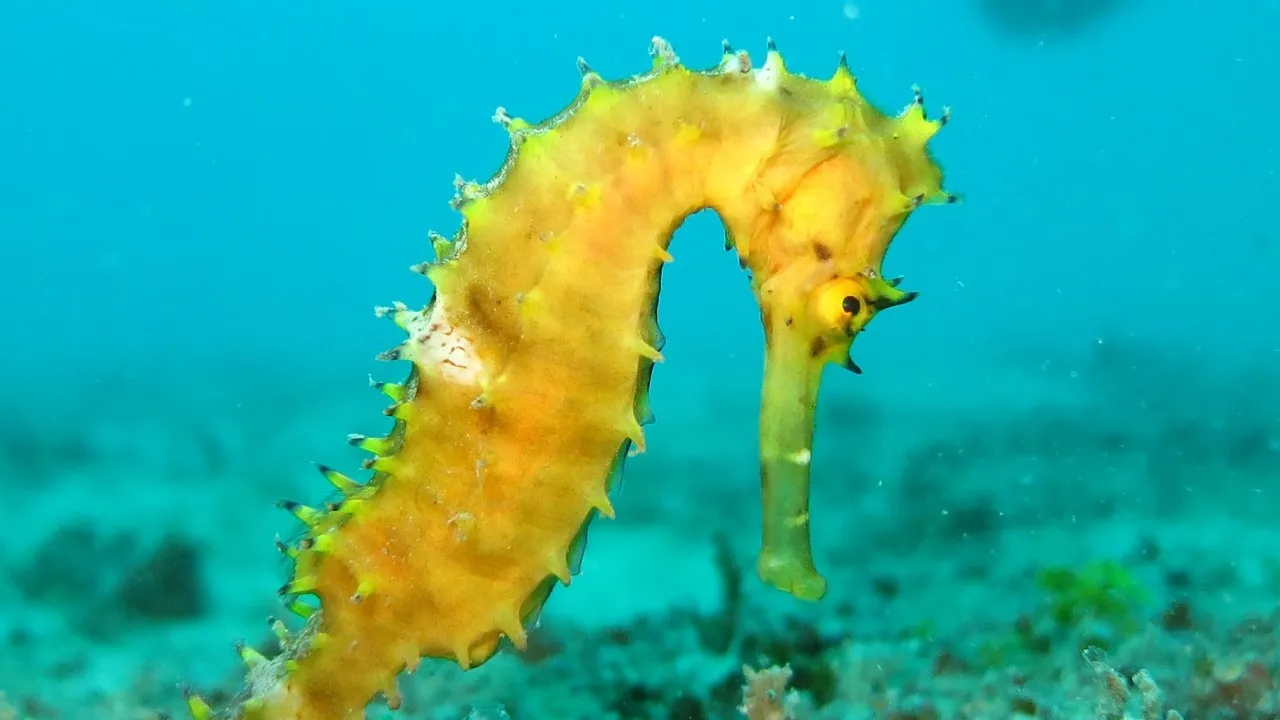
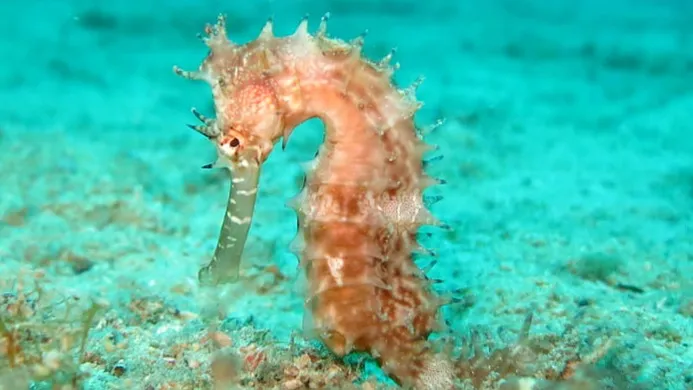
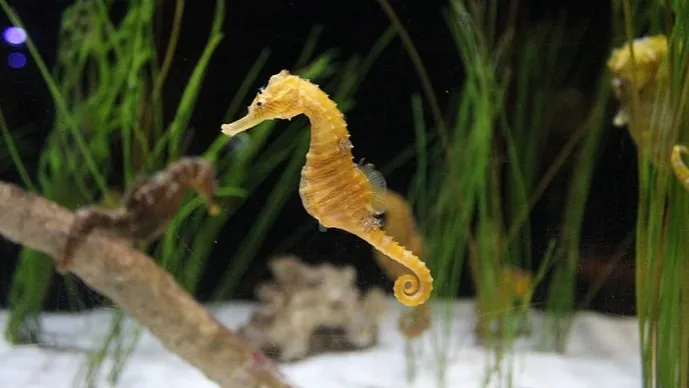
Seahorse is a unique marine fish known mainly for its upright posture and intricate tails. It is popular in saltwater aquariums and requires special care. Many people know them because of the fact that the males carry the eggs until birth. Seahorse’s scientific name is genus Hippocampus.
They are considered exotic in nature. This makes it necessary to maintain a proper diet, habitat, water quality, and compatible tank mates for their health and well-being.
Seahorse Size & Growth
Seahorses vary significantly in size depending on the species. Large species can grow up to 11 inches (around 28 cm) while smaller species typically reach around 2–6 inches (between 5–15 cm).
How long do Seahorses live?
Seahorses live for about 4–6 years in aquariums with proper care and maintenance. Some larger species tend to live longer when they are kept under ideal tank conditions.
Where can one get a Seahorse and what’s the cost?
Seahorses are available via online aquatic retailers and select local shops, with prices ranging from ₹1,000 to ₹3,000.
Compatibility & Tank Mates of Seahorse
Seahorses are peaceful and slow feeders. So, tank mates must be chosen with care to maintain peace in the aquarium.
Best compatible with:
- Non-aggressive species that are calm in temperament
- Snails
- Benign shrimp
- Some small gobies.
Not compatible with:
- Fast, aggressive fish that outcompete for food
- Large predators
- Fish with sharp mouths that might injure the seahorse
- Strong swimmers that generate currents.
Common types of Seahorse
Some of the most common seahorses that are loved by aquarists are -
- Lined Seahorse (Hippocampus erectus)
- Dwarf Seahorse (Hippocampus zosterae)
- Long-Snouted Seahorse (Hippocampus guttulatus)
- Pot-Bellied Seahorse (Hippocampus abdominalis)
- Tiger Tail Seahorse (Hippocampus comes)
- Pygmy Seahorses (Hippocampus bargibanti & relatives)
Characteristics
Temperament
Aggressive
Friendly
Compatibility with other fishes
Not Friendly
Super Friendly
Habitat Size
Small
Large


Habitat & Tank Requirements for Seahorse
Initial Setup Cost
₹10,000 - ₹30,000
Water Temperature
22º -26ºC
Water Type
Salt Water
PH Level
8.1 - 8.4
Maintaining proper Seahorse habitat setup is one of the most important aspects of daily care. They must be kept in the best living conditions to ensure they live a long and happy life. Below are the key parameters that must be met:
Parameter | Detail |
|---|---|
Essential Equipment
Aquarium tank
Water filter
Heater
Light
Substrate
Decor
Diet & feeding guide for Seahorse
Avg Monthly Expenses
₹200 - ₹ 300
Feeding is another central pillar of seahorse fish health. They have no true stomach so they digest food quickly and need frequent feedings.
Main Diet Items:
- Live or frozen small crustaceans like mysis shrimp, enriched brine shrimp, ghost shrimp.
- Feeding Schedule: 2 to 3 times a day
- Treats / Variety: Occasionally feed live prey like small shrimp, copepod
- Feeding Tips: Use feeding stations or directed feeding to ensure seahorses get their food without competition. Make sure to remove uneaten food to maintain water quality.


Health Care & Common Health Issues in Seahorse
Common Health Issues
Fungal infections
Parasitic infections
White spot / ick
Bacterial infections
Ammonia poisoning
Velvet disease (yellowish-brown spots on the skin)
Signs of good health
Bright coloration
Active
Good apetite
Signs of sickness
Loss of appetite
Lethargic behaviour
Frequent hiding
Dull coloring
Tattered fins
Seahorses are susceptible to disease, stress, and environmental issues even with good care. Therefore, monitoring and maintenance are essential.
- Common ailments:
- Bacterial/ fungal infections
- Swim bladder problems (may affect buoyancy)
- Skin lesions, parasites, poor color/ lethargy from poor water quality or nutrition.
- Preventive care:
- Stable water parameters (temp, pH, salinity) with regular quality checks.
- Partial water changes on schedule.
- Quarantine new animals.
Prerequisites for a Fish
Adequate tank space
Effort & commitment
Enriching Environment
Cleanliness
Written by
Happy Pet TeamAuthor
Team Happy Pet is a passionate collective of pet experts, enthusiasts, and advocates dedicated to sharing trusted and insightful content.
Our cont
Frequently Asked Questions
Can seahorses be kept with invertebrates like shrimp or crabs?
Seahorses can generally coexist with small, peaceful invertebrates like certain types of shrimp, snails, and crabs. However, be cautious with larger or more aggressive invertebrates that might harass or prey on seahorses. Always research potential tankmates to ensure compatibility and avoid stress or harm to your seahorses.
Can seahorses be kept with other fish?
Seahorses are generally best kept in a species-specific tank or with very peaceful tankmates. They are slow swimmers and can be outcompeted for food by more aggressive or faster fish. Avoid keeping them with species that may nip at their tails or fins.
What do seahorses eat?
Seahorses are carnivorous and primarily eat live or frozen foods such as mysis shrimp, small crustaceans, and copepods. They have small mouths and require foods that are appropriately sized. High-quality frozen foods can also be offered, but live foods are often preferred for maintaining their health and stimulating natural hunting behavior.