Home
/
Fish species
/
Siamese Algae Eater
Siamese Algae Eater
Origin
South East Asia
Habitat Size
50-150 Liters
Water Type
Fresh Water
Water Temperature
24º-26ºC
Cost in India
₹80 - ₹150
Size
2 - 6 inches (Small)
Diet
Omnivore

by Happy Pet TeamUpdated on 2 Dec 2025
Introduction of the Siamese Algae Eater
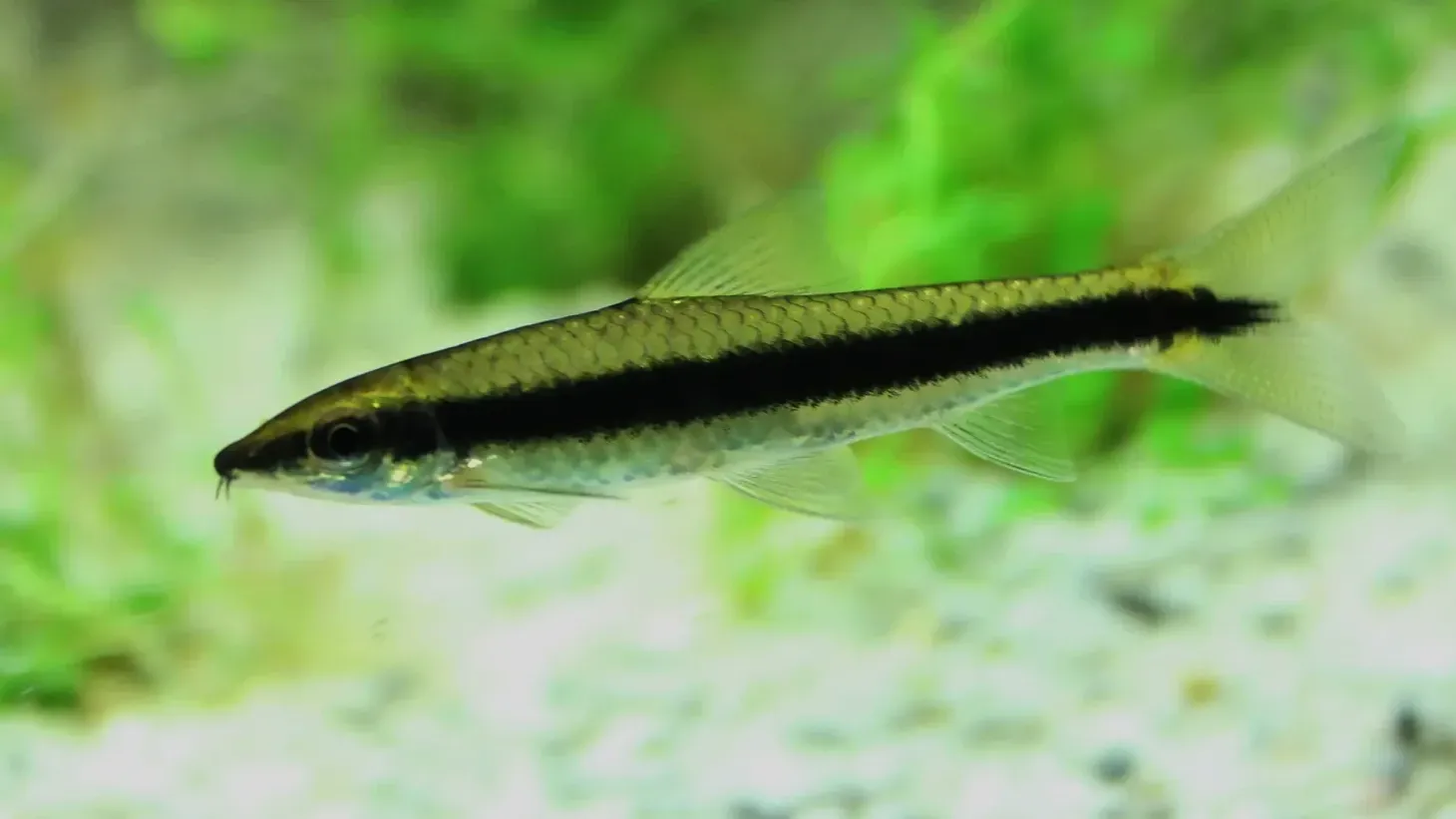
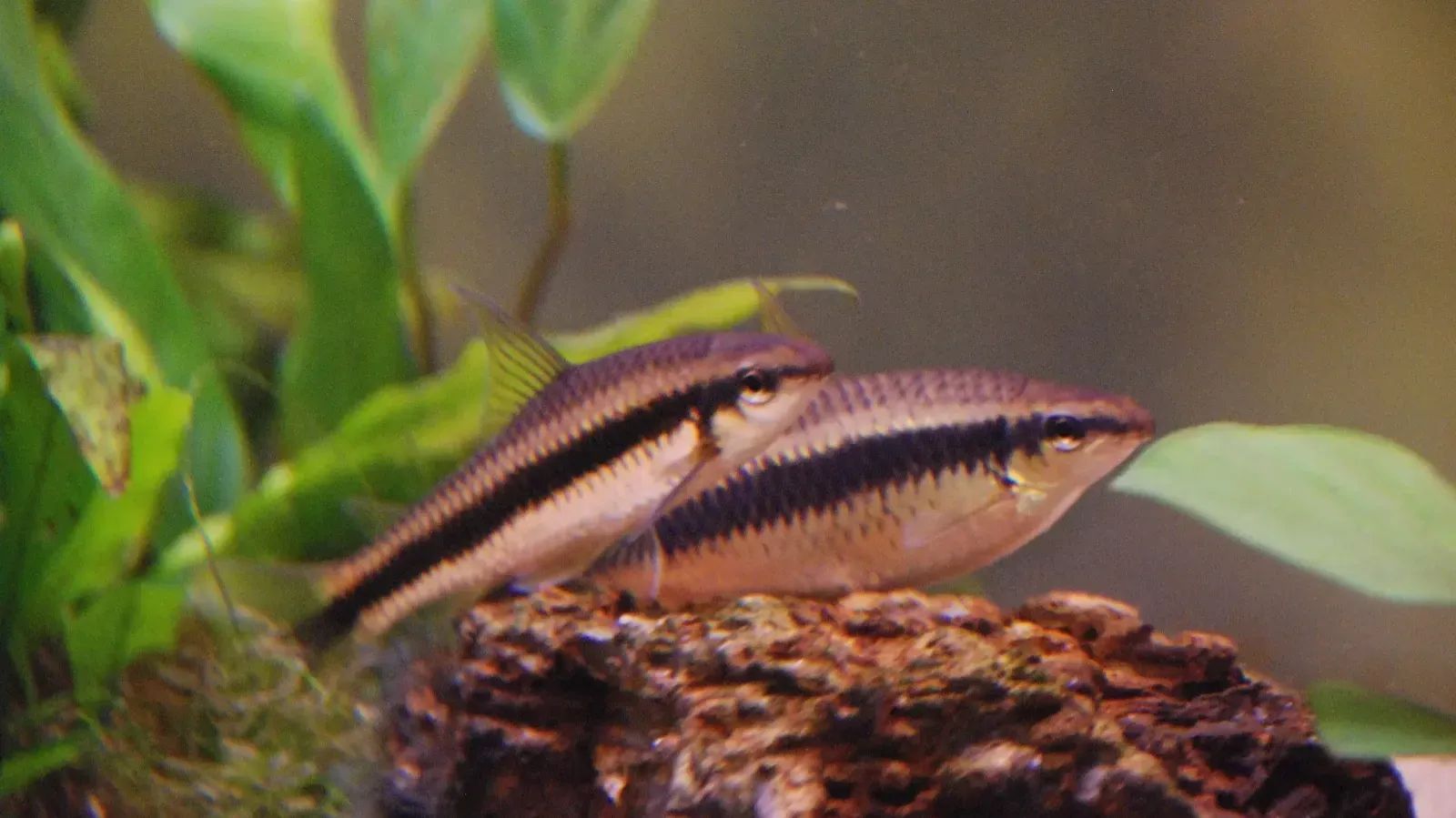
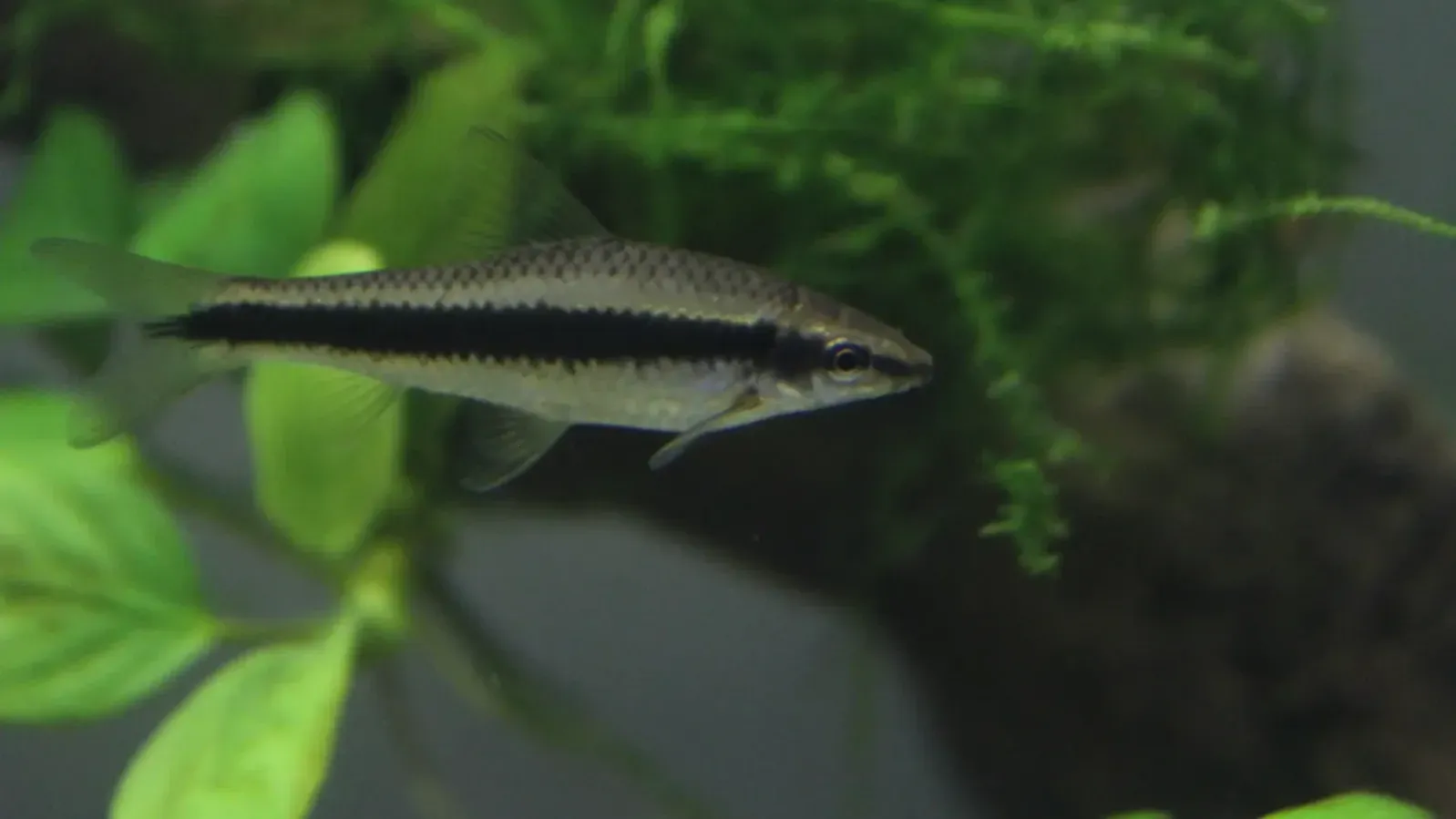
Siamese Algae Eater (Crossocheilus oblongus) is one of the freshwater fish that is most famous for its unsurpassed ability to control algae growth in tanks. The oval-shaped body, metallic silver color, and beautiful horizontal black stripe from head to tail, both functional and lovely, make the fish a favorite among aquarists for a natural way of cleaning the tanks. Active and strong, the fishes are aquarists' favorites for a natural way of tank cleaning.
Males and females are similar but the females are slightly more rounded when fully grown. Their peaceful nature, constantly being active, and algae eating diet make them an ideal choice for community aquaria.
Origin of the Siamese Algae Eater
Siamese Algae Eaters live in the rivers and streams of Southeast Asia, Thailand, and the Mekong basin. They live in fast rivers with sandy or rocky substrates in nature, where they consume algae and biofilm. Because of how easy they are to adapt and their usage in aquariums, they have become widely popular worldwide.
Temperament of the Siamese Algae Eater
They are lively and extremely friendly. They spend considerable time grazing over algae-covered substrates as well as exploring. Even though they chase one another from time to time, otherwise, they are peaceful and well-adjusted to other community fish. They are entertaining to watch with their active high-energy behavior as well as provide the additional advantage of being alga cleaners in planted aquariums.
Siamese Algae Eater Compatibility with Other Fish
Siamese Algae Eaters are great community fish. They are fine with the following tankmates:
- Tetras, rasboras, and danios
- Gouramis and livebearers
- Corydoras catfish and loaches
- Peaceful barbs
Don't keep them with fin-nipping aggressive species such as big cichlids. They cannot be confused either with some other looking "Flying Fox" fish, which are more aggressive in nature themselves.
Price Range of the Siamese Algae Eater
Siamese Algae Eaters are affordable and readily available. They typically range from ₹150 to ₹400 (US $3–6) based on size and origin. Because they do well in schools, aquarists will typically purchase several at once.
Characteristics
Temperament
Aggressive
Friendly
Compatibility with other fishes
Not Friendly
Super Friendly
Habitat Size
Small
Large


Habitat Requirements of the Siamese Algae Eater
Initial Setup Cost
₹4,000 - ₹12,000
Water Temperature
24º -26ºC
Water Type
Fresh Water
PH Level
6.5 - 7
Tank Setup
- Minimum tank capacity: 30 gallons
- Recommended: 50 gallons or larger for groups
- Features: open swimming space with driftwood, rocks, and plants
Water Conditions
- Temperature: 24–26°C (75–79°F)
- pH level: 6.5–7.5
- Hardness: 5–20 dH
Environment Needs
- Substrate: sand or fine gravel
- Decor: driftwood covered in algae growth, rocks, and caves
- Plants: appreciate well-established aquariums that provide grazing grounds
- Lighting: moderate, to let some algae growth occur naturally for natural feeding
Essential Equipment
Aquarium tank
Water filter
Heater
Light
Substrate
Nutritional Guide of the Siamese Algae Eater
Avg Monthly Expenses
₹80 - ₹ 150
Despite being famous for eating algae, Siamese Algae Eaters need to be provided with a balanced diet so that they stay healthy. A variety of such foods is ideal:
- Staple: sinking wafers or high-quality pellets
- Protein: bloodworms, daphnia, or brine shrimp (frozen or live)
- Vegetables: cucumber, spinach, zucchini, or blanched spirulina
Feeding instructions:
- Feed once or twice a day
- Supplement with ready foods for balanced nutrition
- Do not overfeed to prevent obesity and water pollution


Health & Care of the Siamese Algae Eater
Common Health Issues
Fin rot
White spot / ick
Columnaris (cotton wool-like growth on the skin)
Velvet
Ammonia poisoning
Parasitic infections
Signs of good health
Active
Bright coloration
Good apetite
Signs of sickness
Loss of appetite
Lethargic behaviour
Dull coloring
Tattered fins
Swimming abnormally
Common Issues
Ich (White Spot Disease)
A parasite that causes tiny white cysts on the skin and fins.
- Symptom: White body or fin spots, loss of appetite.
- Cure: Use anti-parasitic treatment and maintain stable water conditions.
Fin Rot
Bacterial infection is often linked to poor water quality.
- Symptom: Clamped, frayed, or ragged fins.
- Cure: Improve water quality and treat with antibacterial medication.
Stress from Overcrowding or Aggressive Tankmates
Stress weakens immunity and makes fish prone to illness.
- Symptom: Excessive hiding, lethargy, reduced feeding.
- Cure: Avoid overcrowding, choose peaceful tankmates, and provide hiding spaces.
Prerequisites for a Fish
Adequate tank space
Cleanliness
Effort & commitment
Enriching Environment
Written by
Happy Pet TeamAuthor
Team Happy Pet is a passionate collective of pet experts, enthusiasts, and advocates dedicated to sharing trusted and insightful content.
Our cont
Frequently Asked Questions
How many Siamese Algae Eaters should I keep together?
It is recommended to keep them in groups of at least three to encourage natural behavior and reduce stress. They are social fish and thrive better in small groups.
What do Siamese Algae Eaters eat?
They primarily eat algae but should be supplemented with high-quality flake foods, pellets, and blanched vegetables like zucchini, cucumber, and spinach. A varied diet ensures they receive all necessary nutrients.
Do Siamese Algae Eaters need a specific type of substrate?
While Siamese Algae Eaters are not very particular about the substrate, a sandy or fine gravel substrate is preferred as it mimics their natural habitat. It also helps in maintaining a clean environment where algae can grow.