Home
/
Fish species
/
Silvertip Tetra
Silvertip Tetra
Origin
Brazil
Habitat Size
20-50 Liters
Water Type
Fresh Water
Water Temperature
22º-28ºC
Cost in India
₹50 - ₹100
Size
1.5 - 2 inches (Nano)
Diet
Omnivore

by Happy Pet TeamUpdated on 2 Dec 2025
Silvertip Tetra Fish Guide
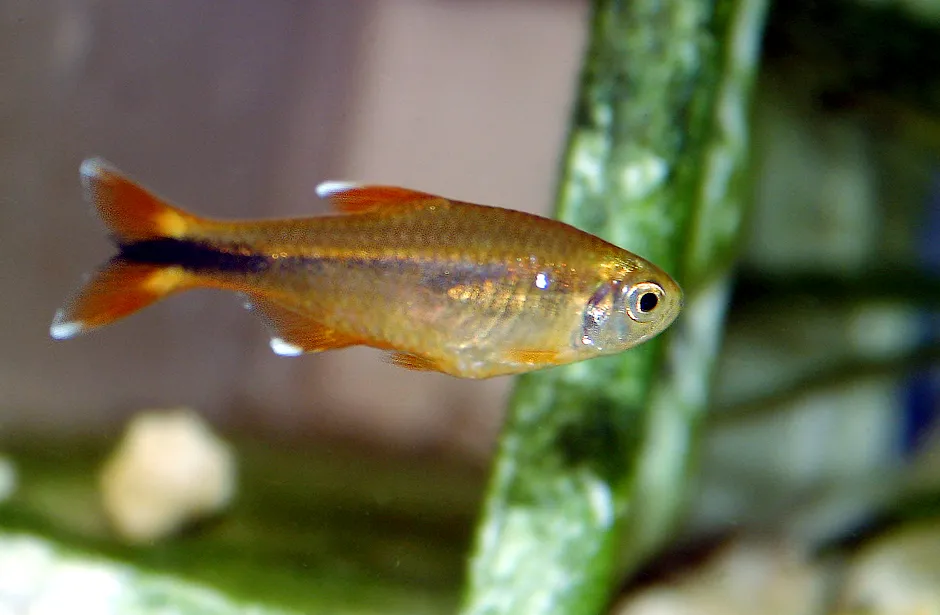
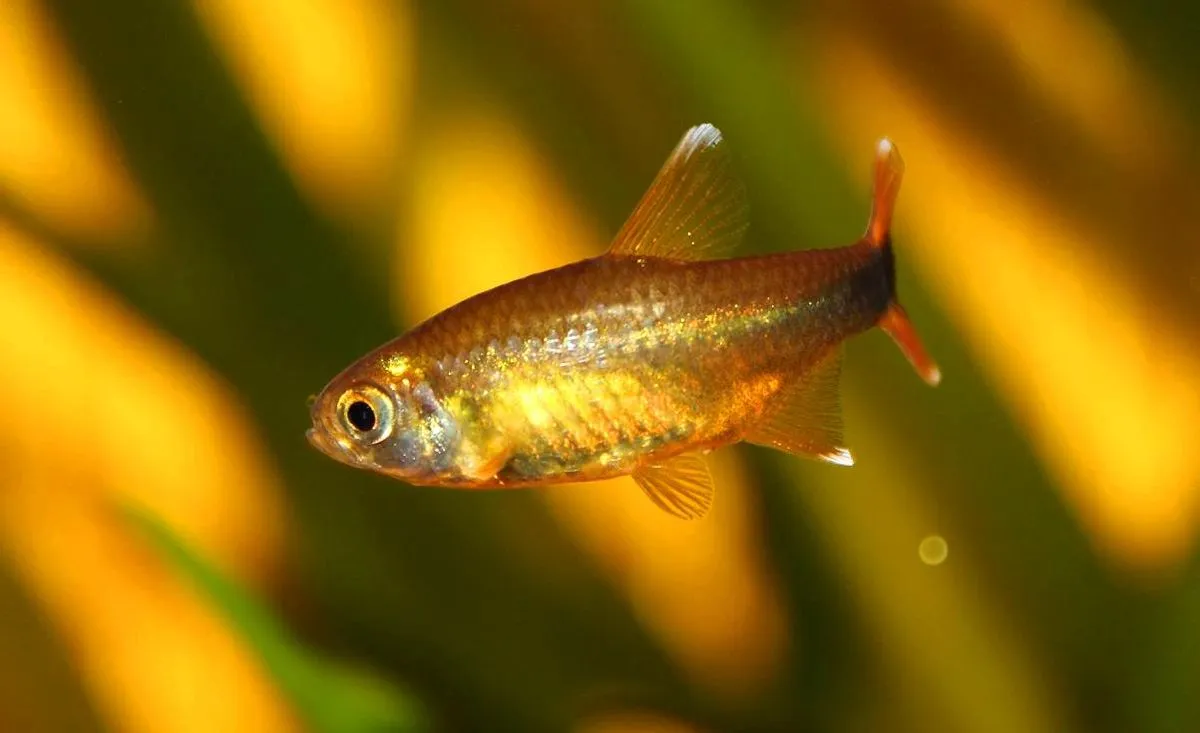
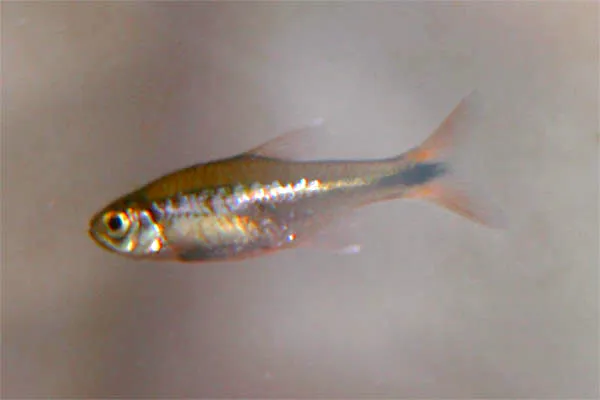
Silvertip Tetra (scientific name Hasemania nana) is a small, sparkly freshwater fish with golden-silvery body colors and little white or silver tips on its fins — that’s how it got its common name. Kids and beginners like them because they swim in lively groups and flash bright colors among plants. They’re common in aquariums but can be a bit cheeky and sometimes nip at fin-long fish.
Silvertip Tetra Origin
- Native home: streams and small rivers in the São Francisco River basin in Brazil.
- Most silvertips in the trade are captive-bred today (not wild-caught).
Temperament
- Active and lively; enjoys schooling.
- Slightly nippy compared with very peaceful tetras — males can show some chasing and mild territorial behavior.
Silvertip Tetra Compatibility
Good tankmates:
- Peaceful community fish of similar size:
- Small danios
- Platies
- Small livebearers
- Many rasboras
- Some small catfish (Corydoras)
Avoid:
- Long-finned species (like fancy guppies or fancy bettas) and very slow, delicate fish, because silvertips may nip at long fins.
Silvertip Tetra Price Range
- Typical retail price per fish in India is usually low: many sellers list them between ₹40 to ₹200 each, depending on size, seller, and whether they’re sold in pairs or packs
Characteristics
Temperament
Aggressive
Friendly
Compatibility with other fishes
Not Friendly
Super Friendly
Habitat Size
Small
Large


Silvertip Tetra Habitat requirements
Initial Setup Cost
₹3,000 - ₹6,000
Water Temperature
22º -28ºC
Water Type
Fresh Water
PH Level
6 - 7.5
Tank type
- Freshwater tropical community tank
Silvertip Tetra Aquarium size
- Minimum recommended: a long tank of 60 cm (about 20 gallons) or larger, especially if keeping a school (6+)
- They love horizontal swimming space
Water conditions
- Temperature range: 22–28°C (72–82°F)
- pH level: flexible — ~6.0 to 8.0 (they are hardy and adapt to a wide pH)
- Water hardness: soft to moderately hard (they tolerate a range of 5 - 20°H)
Silvertip Tetra Environment needs
- Plenty of open swimming areas, plus tall background plants and a few shaded hiding spots so fish can rest out of sight.
- A planted tank with drifting plants and some rock or wood makes them feel safe and shows their colors well.
- Good filtration and oxygenation are important.
Essential Equipment
Aquarium tank
Water filter
Heater
Light
Substrate
Silvertip Tetra Nutritional Guide
Avg Monthly Expenses
₹50 - ₹ 100
Silvertip Tetra Diet type
- Omnivore
- They eat both animal and plant foods
Suitable foods
Dry:
- Good quality flake food
- Small granules/pellets
Frozen/live:
- Daphnia
- Brine shrimp
- Microworms
- Bloodworms (as an occasional treat)
Vegetables: tiny bits of blanched spinach or peas, sometimes accepted
Silvertip Tetra Feeding frequency & tips
- Feed small amounts 1–2 times a day that they can finish in 1–2 minutes
- Don’t overfeed — leftover food fouls water and makes fish sick
- Rotate diet (flakes + one frozen/live option) to keep colors bright and digestion healthy


Silvertip Tetra Health & Care
Common Health Issues
Fin rot
White spot / ick
Velvet
Columnaris (cotton wool-like growth on the skin)
Parasitic infections
Fungal infections
Signs of good health
Active
Good apetite
Bright coloration
Signs of sickness
Loss of appetite
Lethargic behaviour
Dull coloring
Tattered fins
Swimming abnormally
Taking care of Silvertip Tetras is quite easy if their water is clean, food is balanced, and they live in a stress-free tank. Still, like all fish, they can sometimes fall sick if their surroundings aren’t right. Here are a few common health problems and how to keep them healthy.
Ich (white-spot disease)
Ich is caused by a tiny parasite and shows up as little white dots like salt on the fish. Fish may scratch against things, breathe fast, or hide. Treatment usually includes raising the temperature slightly (carefully), improving water quality, and using a proven ich medicine (many hobbyists use products like Ich-X or aquarium salt treatments). Quarantine sick fish if possible to stop the spread.
Fin rot
Fin rot looks like fraying, ragged, or dark-raw edges on fins. It often starts after stress, fin-nipping, or poor water. The cure is clean water, a better diet, and sometimes antibacterial treatment (or salt baths) if it’s severe. Fixing the root cause (overcrowding, bad water) prevents it from coming back.
Columnaris / bacterial skin infections
Columnaris (a bacterial problem) can make pale patches, sores, or ragged mouths and can spread quickly. It usually happens when fish are stressed or the water is dirty. Treatment choices include antibiotics recommended for freshwater use and strict tank hygiene, and often removing sick fish to a quarantine tank speeds recovery.
Silvertip Tetra General health tips
- Always cycle and keep the aquarium clean with regular water changes.
- Quarantine new fish for 2 weeks before adding them to the main tank.
- Keep your silvertips in groups (6+) so they feel secure — stressed, lonely fish get sick more easily.
- Observe fish daily for changes in color, breathing, or appetite. Prompt action helps most illnesses.
Prerequisites for a Fish
Adequate tank space
Cleanliness
Effort & commitment
Enriching Environment
Written by
Happy Pet TeamAuthor
Team Happy Pet is a passionate collective of pet experts, enthusiasts, and advocates dedicated to sharing trusted and insightful content.
Our cont
Frequently Asked Questions
How many Silvertip Tetras should can be kept together?
Silvertip Tetras are schooling fish and should be kept in groups of at least six to ensure they feel secure and display their natural behavior.
Can Silvertip Tetras live with other fish?
Yes, they are peaceful and can live with other small, non-aggressive fish species.
How often should I change the water in my Silvertip Tetra tank?
Regular water changes of 20-30% weekly are recommended to maintain water quality and health.