Home
/
Fish species
/
Six-Line Wrasse
Six-Line Wrasse
Origin
Indo-Pacific
Habitat Size
50-150 Liters
Water Type
Salt Water
Water Temperature
24º-27ºC
Cost in India
₹80 - ₹150
Size
2 - 4 inches (Small)
Diet
Herbivore


by Happy Pet TeamUpdated on 18 Nov 2025
Six-Line Wrasse Fish (Pseudocheilinus hexataenia) Introduction
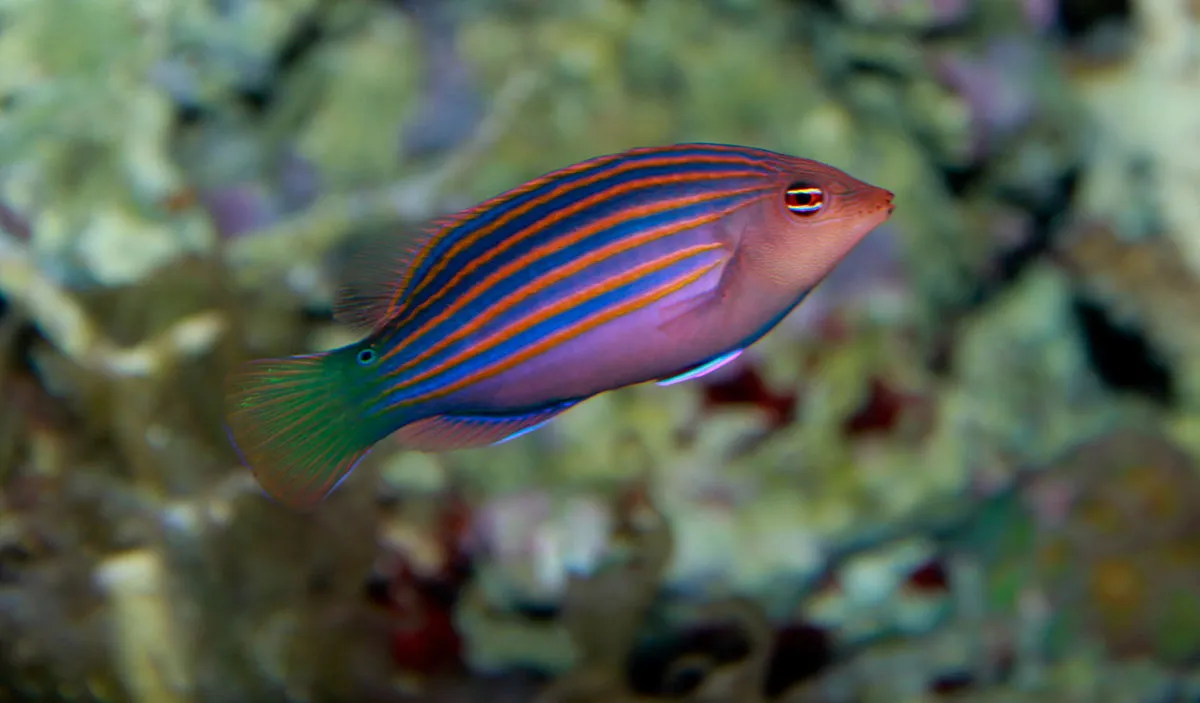
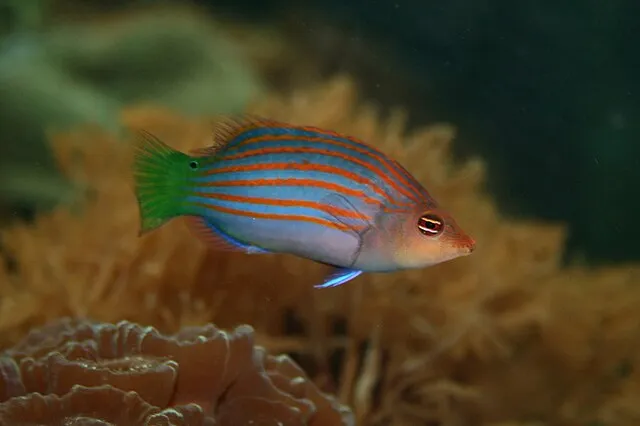
The six-line wrasse is an active marine fish native to the Indo-Pacific region. It is commonly known as Six-Stripe Wrasse. The fish is recognizable by its 6 distinct horizontal stripes on the body.
This six-line wrasse fish adds both colour and utility to reef aquariums. It is famous for its pest-control abilities. The wrasse hunts bristle worms, flatworms, and pyramid snails - making it a valuable addition to reef tanks.
Six-Line Wrasse Size
The size of the six-line wrasse fish is close to 3 inches (7.6 cm).
Lifespan of Six-Stripe Wrasse Fish
With proper care, the six-line wrasse fish can live up to 5 years.
Six-Line Wrasse Price
In India, the Six-Line Wrasse is available for purchase at various online aquarium stores. The six-line wrasse price typically ranges from ₹1,999 to ₹3,200, depending on the seller and fish size.
Six-Line Wrasse Fish Tank Mates
- Clownfish
- Gobies
- Damselfish
- Angelfish
- Tangs
Avoid Pairing with
- Other wrasses
- Peaceful blennies
- Mandarin dragonets
Characteristics
Temperament
Aggressive
Friendly
Compatibility with other fishes
Not Friendly
Super Friendly
Habitat Size
Small
Large


Six-Line Wrasse Fish Habitat
Initial Setup Cost
₹4,000 - ₹12,000
Water Temperature
24º -27ºC
Water Type
Salt Water
PH Level
8.1 - 8.4
To thrive, Six-Line Wrasses require a well-established reef tank with ample live rock for hiding and hunting. They prefer stable water conditions and a tank size of at least 30 gallons.
Essential Equipment
Aquarium tank
Water filter
Heater
Light
Substrate
Decor
Diet of Six-Line Wrasse Fish
Avg Monthly Expenses
₹80 - ₹ 150
Six-Line Wrasses are carnivorous and have a big appetite for small invertebrates. In captivity, they can be fed a variety of foods to ensure a balanced diet.


Health & Care of Six-Line Wrasse Fish
Common Health Issues
White spot / ick
Fin rot
Bacterial infections
Parasitic infections
Fungal infections
Swim bladder disease
Signs of good health
Active
Bright coloration
Good apetite
Signs of sickness
Loss of appetite
Lethargic behaviour
Dull coloring
White growths
Tattered fins
Maintaining optimal water quality is crucial for the health of the Six-Line Wrasse. Regular water changes, proper filtration, and monitoring of water parameters can help prevent common issues. It's also beneficial to provide hiding spots using live rock or coral structures.
Prerequisites for a Fish
Adequate tank space
Cleanliness
Effort & commitment
Enriching Environment
Written by
Happy Pet TeamAuthor
Team Happy Pet is a passionate collective of pet experts, enthusiasts, and advocates dedicated to sharing trusted and insightful content.
Our cont
Frequently Asked Questions
How many Six-Line Wrasse should be kept together?
It's generally recommended to keep only one Six-Line Wrasse per tank unless the tank is exceptionally large with plenty of hiding spaces and territories to avoid aggression between individuals.
Are Six-Line Wrasse suitable for beginners?
They can be suitable for beginners with some experience in maintaining saltwater aquariums. Their active nature and semi-aggressive behavior require careful consideration when selecting tank mates and monitoring their interactions.
Are Six-Line Wrasse reef-safe?
Yes, Six-Line Wrasse are considered reef-safe and can be kept in reef aquariums. They help control small pests like bristle worms and are not known to harm corals or other invertebrates.