Home
/
Fish species
/
Sterba's corydoras
Sterba's corydoras
Origin
Bolivia
Brazil
Habitat Size
50-150 liters
Water Type
Fresh Water
Water Temperature
22º-26ºC
Cost in India
₹80 - ₹150
Size
2 - 2.5 inches (Small)
Diet
Omnivore

by Happy Pet TeamUpdated on 2 Dec 2025
Sterba's Corydoras Fish Guide
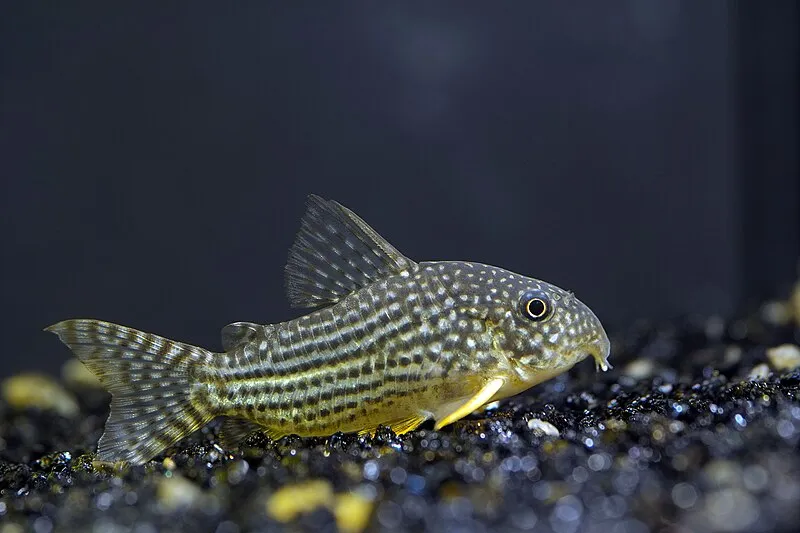
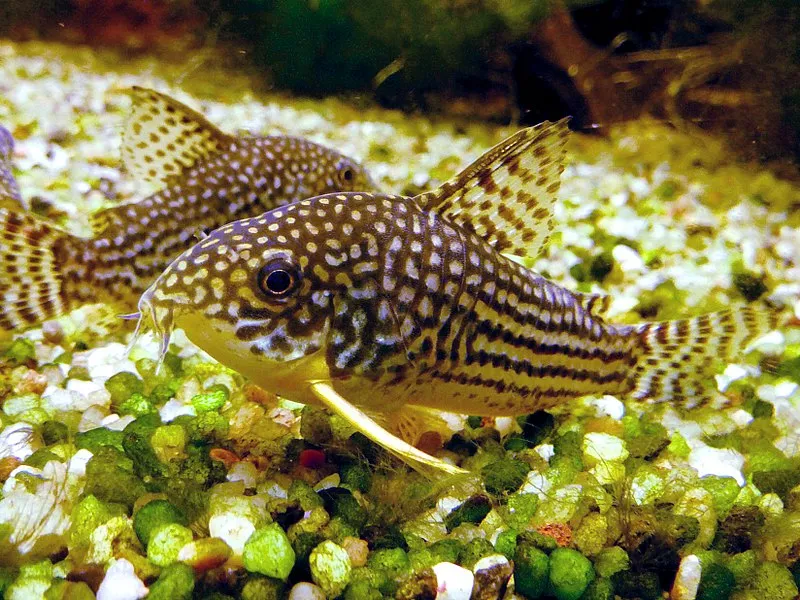
Sterba's Corydoras, or Corydoras sterbai, is a small armored catfish admired for its bold spotted pattern and soft temperament. Instead of shimmering scales, it’s covered in bony plates that act like natural armor. It is very popular among fishkeepers because it is peaceful, interesting to watch, and helps tidy up bits of food from the tank bottom.
Origin
- These fish are native to South America, especially in the Guaporé River system between Brazil and Bolivia.
- In the wild, they live in small streams, creeks, flooded forest pools, and tributaries with gentle to moderate currents.
- They often experience seasonal changes—some waters shrink, others flood—so they are adapted to some variation in conditions.
Sterba's Corydoras Temperament
- Very calm, gentle, non-aggressive, making them ideal in community tanks.
- They spend most of the time near the substrate (bottom), “grazing” or picking bits of food.
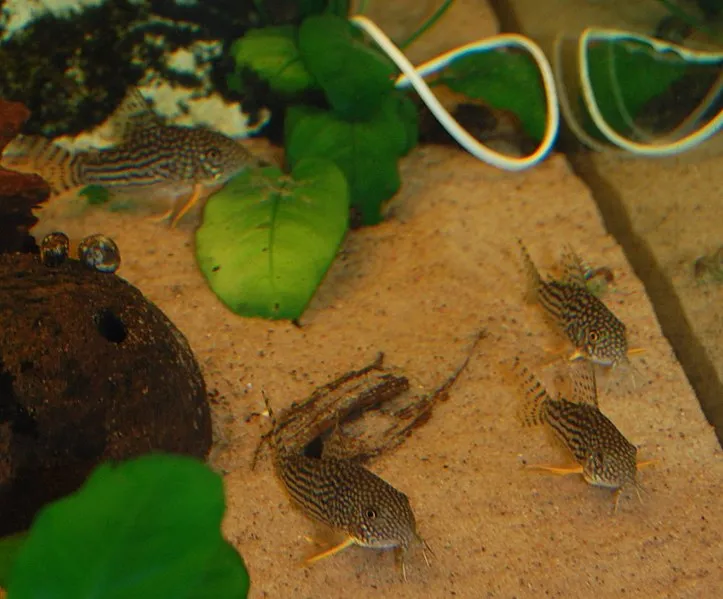
- They are social — they feel safer and behave more actively when kept in groups.
Compatibility
Good tankmates
- Peaceful small fish like:
- Small characins
- Cyprinids
- Anabantoids
- Dwarf cichlids
- Gentle barbs
- Other non-aggressive catfish
Avoid
- Aggressive or large bottom fish, fish that are too boisterous, or that eat everything quickly.
Sterba's Corydoras Price Range in India
- Small size: ₹180
- Small/juvenile: ₹175
- Standard Sterbai: ₹165
- Small juvenile or small stock: ₹190
- Small to medium: ₹249
Characteristics
Temperament
Aggressive
Friendly
Compatibility with other fishes
Not Friendly
Super Friendly
Habitat Size
Small
Large


Sterba's Corydoras Habitat Requirements
Initial Setup Cost
₹4,000 - ₹12,000
Water Temperature
22º -26ºC
Water Type
Fresh Water
PH Level
6 - 7.5
Sterba's Corydoras Tank Type
- Freshwater only; they are not suitable for brackish or saltwater.
Aquarium Size
- A small group (5–6 fish): 75–100 litres (≈ 20–25 US gallons) or more
- For heavily planted or more fish, use larger tanks to maintain stable water
Sterba's Corydoras Water Conditions
- Temperature: 24–28 °C (73–82 °F)
- pH: 6.0 to 7.5 (slightly acidic to neutral)
- Hardness (GH / KH): 1 to 15°H, moderate softness; they adapt but prefer moderate conditions
Environment Needs
- Substrates should be fine sand or very smooth fine gravel, so they do not damage their barbels.
- Provide hiding spaces:
- Driftwood
- Caves
- Plant clusters
- Leaf litter
- Overhangs
- Some open swimming area is good — don’t overfill with decor.
- Aeration and moderate water flow help imitate a natural habitat.
- Leave the surface open (i.e., space to reach the top) because they sometimes gulp air from the surface.
Essential Equipment
Aquarium tank
Water filter
Heater
Light
Substrate
Decor
Sterba's Corydoras Nutritional Guide
Avg Monthly Expenses
₹80 - ₹ 150
Diet Type
Omnivore — eats both small animal matter and plant-based bits
Sterba's Corydoras Suitable Foods
- Sinking pellets or wafers made for bottom-feeders
- Flake food that reaches bottom
- Live/frozen treats (occasional):
- Bloodworms
- Daphnia
- Brine shrimp
- Vegetables: tiny bits of cooked peas or zucchini occasionally
Feeding Frequency & Tips
- Feed once or twice daily, small amounts.
- Make sure the food reaches the bottom. If faster fish take food up top, drop food in quieter spots (under plants, behind objects).
- Vary diet to maintain health and color.
- Don’t overfeed — leftover food rots and causes poor water quality.


Sterba's Corydoras Health & Care
Common Health Issues
Fin rot
White spot / ick
Bacterial infections
Swim bladder disease
Columnaris (cotton wool-like growth on the skin)
Signs of good health
Active
Bright coloration
Good apetite
Signs of sickness
Loss of appetite
Cloudy eyes
Lethargic behaviour
White growths
Swimming abnormally
Sterba's Corydoras common health issues
Internal Parasites & Worm Infestations
Symptoms include loss of appetite, becoming skinny, and sometimes show stringy feces. To treat that, use anti-parasite medications safe for catfish; isolate the sick fish, clean the tank well, and ensure water quality is good.
Columnaris / Mouth & Body Fungus
This presents as cottony patches or discoloration around the mouth/fins. Stress and poor water make fish vulnerable. Treatment is improving water, adding antibacterial/fungicidal medication, and removing injured parts to isolate them.
Skin Bacterial Infection
Red sores, ulcers, and inflamed areas on the body. These often come from injuries or poor water. To treat that, keep water very clean, apply broad-spectrum antibiotic treatment, and isolate severely affected individuals.
Barbel Erosion/Damage
Barbels may erode, shrink, or get infected if the substrate is rough or the water is poor. The fish may have trouble foraging. To treat that, switch to soft sand, maintain clean water, and use treatment for secondary infection.
Sterba's Corydoras General Health Tips
- Do regular partial water changes (20–30%) every week or two.
- Use a sponge filter or gentle filtration, especially in breeding setups, to avoid harming fry.
- Monitor ammonia, nitrite, and nitrate — keep ammonia and nitrite at zero.
- Always keep them in groups of 6 (lonely individuals are more stressed).
- Feed a varied diet, but not too much.
- Watch fish daily, early detection helps a lot.
Prerequisites for a Fish
Adequate tank space
Enriching Environment
Cleanliness
Effort & commitment
Written by
Happy Pet TeamAuthor
Team Happy Pet is a passionate collective of pet experts, enthusiasts, and advocates dedicated to sharing trusted and insightful content.
Our cont
Frequently Asked Questions
What is the ideal tank size for Sterba's Corydoras?
A minimum of 20 liters is recommended for a small group of 5-6 fish.
Are Sterba's Corydoras good for beginners?
Yes, they are hardy and easy to care for, making them suitable for beginners.
Can Sterba's Corydoras be kept with other fish?
Yes, they are peaceful and compatible with other small to medium-sized, non-aggressive fish.