Home
/
Fish species
/
Synodontis Catfish
Synodontis Catfish
Origin
South Africa
Habitat Size
150-400 Liters
Water Type
Fresh Water
Water Temperature
22º-28ºC
Cost in India
₹200 - ₹300
Size
6 - 12 inches (Medium)
Diet
Omnivore

by Happy Pet TeamUpdated on 2 Dec 2025
Synodontis catfish Fish Guide
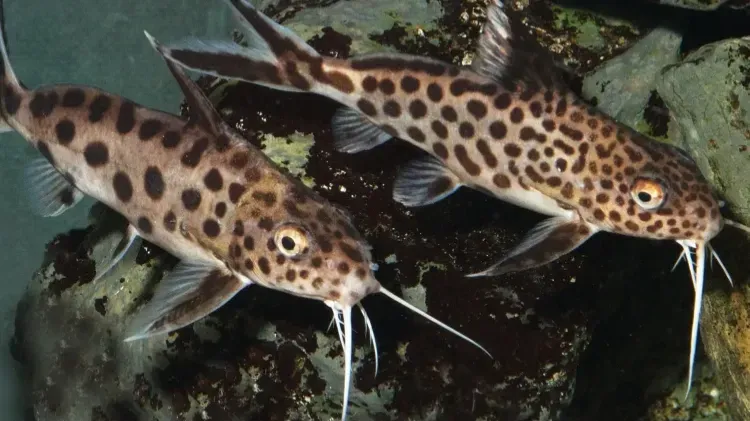
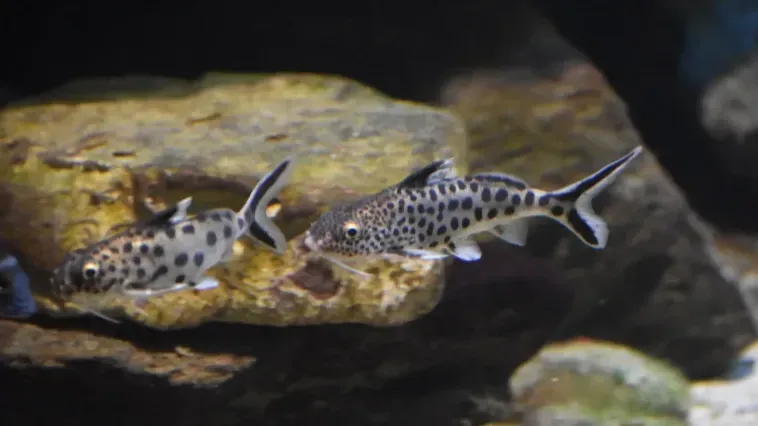
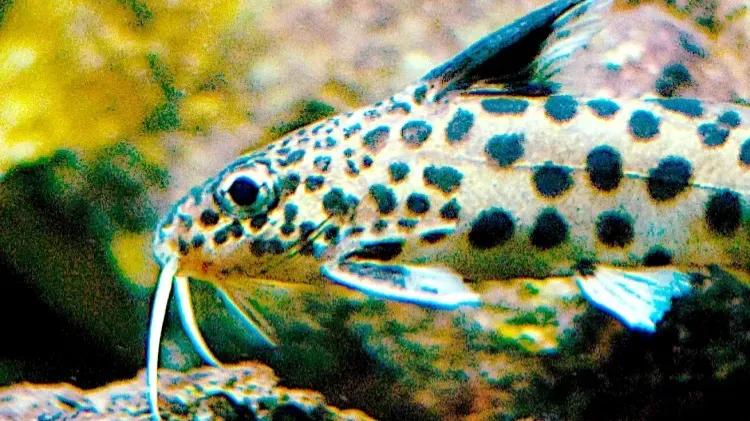
Synodontis catfish are a group of bottom- and mid-dwelling freshwater fish with lots of personality. They often have spots, slim whiskers (“barbels”), and strong dorsal and pectoral fin spines. Many find them popular in home aquariums because they’re active at dusk or night, hide during the day, and have interesting behavior (some even swim upside-down!).
What makes them unique: they’re part of the genus Synodontis, the largest genus of “squeaker” catfishes (they can make a noise when handled or disturbed).
Synodontis Catfish Origin
- These fish come from Africa, especially the big lakes and rivers in central and western Africa.
- The genus includes over 131 species, so there’s a lot of variety in color, size, and behavior.
- Many were introduced into the aquarium hobby decades ago and are now widely available.
Temperament
- Generally peaceful fish, especially during most of the day when they like to hide.
- They become more active at night or in dim light, scavenging and exploring.
- They like having places to hide, caves and driftwood, and may be a bit shy if left exposed.
Synodontis catfish Compatibility
Good tank-mates:
- Other medium-sized, peaceful fish with similar water needs, such as:
- African cichlids
- Denison barb
- Rosy barb
- Rainbowfish
- Other Synodontis species of similar size (they often do well in groups).
Avoid:
- Very small fish (they might be regarded as food by a large Synodontis).
- Very aggressive fish or large predators that may bully or eat them.
Synodontis catfish Price Range in India
- In the Indian market, a Synodontis species might cost approximately ₹1,200 to ₹3,000 depending on size, species rarity, and condition.
Characteristics
Temperament
Aggressive
Friendly
Compatibility with other fishes
Not Friendly
Super Friendly
Habitat Size
Small
Large


Synodontis catfish Habitat Requirements
Initial Setup Cost
₹10,000 - ₹30,000
Water Temperature
22º -28ºC
Water Type
Fresh Water
PH Level
6 - 7.5
Tank Type
Synodontis catfish Aquarium Size
- For many Synodontis, a minimum of about 100 liters (≈ 25-30 gallons) is recommended for a smaller species
- For larger species or a group, go for 200 + liters
Water Conditions
- Temperature: ~ 24-28 °C (≈ 72-82 °F) typical for many species
- pH level: Many species prefer slightly alkaline to neutral waters; e.g., pH ~ 6.5-7.8 for one species
- Water hardness: 4 - 15 KH, Moderate hardness is fine; ensuring good water quality is important
Synodontis catfish Environment Needs
- Plenty of hiding spots: caves, driftwood, rocks, ledges. They feel safer and will come out more at dusk
- Substrate: fine sand or smooth gravel is better (so their barbels don’t get damaged)
- Lighting: soft or dim lighting preferred; too bright may stress them
Essential Equipment
Aquarium tank
Water filter
Heater
Light
Substrate
Synodontis catfish Nutritional Guide
Avg Monthly Expenses
₹200 - ₹ 300
Synodontis catfish Diet Type
- Omnivore — they eat both animal and plant material
Suitable Foods
- Sinking pellets or wafers designed for catfish
- Live or frozen foods like:
- Bloodworms
- Brine shrimp
- Daphnia
- Vegetable matter:
- Blanched spinach
- Peas
- Some vegetable flakes
Synodontis catfish Feeding Frequency & Tips
- Feed once a day — ideally around dusk when they become active
- Portion so that they will finish the food in a few minutes and avoid overfeeding
- Since they often scavenge at the bottom, make sure food reaches there


Synodontis catfish Health & Care
Common Health Issues
Fin rot
Pop eye (swollen eyes)
White spot / ick
Parasitic infections
Bacterial infections
Fungal infections
Signs of good health
Active
Bright coloration
Good apetite
Signs of sickness
Loss of appetite
Lethargic behaviour
Dull coloring
Tattered fins
Swimming abnormally
Like all aquarium fish, Synodontis catfish stay healthy when their surroundings are clean and calm. However, they can sometimes face a few common health problems if their care needs aren’t met.
Fin and skin bacterial infections
Ragged fin edges, fish not eating or hiding all the time, may result from poor water quality, such as high ammonia or nitrite, or stress. You can help by improving water quality via a major water change, checking filtration, and, if necessary, treating with a bacterial treatment as directed. Maintain stable temperature conditions as best as possible. Stress prevention is key.
Internal parasites (e.g., worm infestation)
Signs: Loss of body weight, reduced feeding activity, fish lingering in the topmost fish, hiding, stringy feces. Treatment: Quarantine affected fish and apply an antiparasitic medication for catfish (research its appropriate usage for bottom-feeders with an expert before undertaking this treatment). Water quality must be kept very high following treatment, as symptoms may recur.
Barbel damage/infection
Barbels can be damaged or infected by sharp substrate and poor water filtration. Signs include frayed barbels and white, cloudy tips, and a fish rubbing against decor (like scratching itself). Treatment: Change substrate to smooth gravel or sand. Remove offending material. Ensure water is of good quality and treat infected fish using a diluted antiseptic or antibacterial. Isolate fish if needed.
Synodontis catfish General Health Tips
- Water should filter well, and temperature, pH, and hardness should stabilize within parameters
- Provide sufficient hiding spots since fish can become stressed, which can reduce their immune system
- Feed variety and ensure food reaches the bottom
- Identify distress, looking for signs like hiding, a lack of appetite, or unusual swimming patterns
Prerequisites for a Fish
Adequate tank space
Cleanliness
Effort & commitment
Enriching Environment
Written by
Happy Pet TeamAuthor
Team Happy Pet is a passionate collective of pet experts, enthusiasts, and advocates dedicated to sharing trusted and insightful content.
Our cont
Frequently Asked Questions
What do Synodontis Catfish eat?
They are omnivores and should be fed high-quality pellets, live or frozen foods (like brine shrimp and bloodworms), and vegetable matter (such as blanched spinach and zucchini).
How often should we feed Synodontis Catfish?
Feed them once or twice daily, ensuring they consume all the food within a few minutes to prevent overfeeding and maintain water quality.
What kind of environment do Synodontis Catfish prefer?
They prefer a well-decorated tank with plenty of hiding spots such as caves, rocks, and driftwood, which replicate their natural habitat.