Home
/
Fish species
/
Uaru
Uaru
Origin
South America
Habitat Size
150-400 Liters
Water Type
Fresh Water
Water Temperature
24º-28ºC
Cost in India
₹200 - ₹300
Size
8 - 12 inches (Medium)
Diet
Omnivore

by Happy Pet TeamUpdated on 2 Dec 2025
Uaru Fish Guide
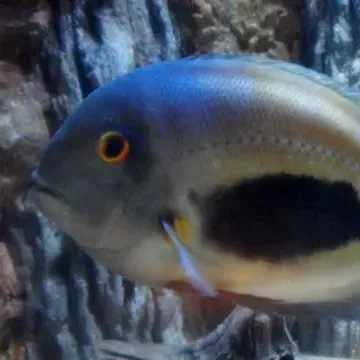
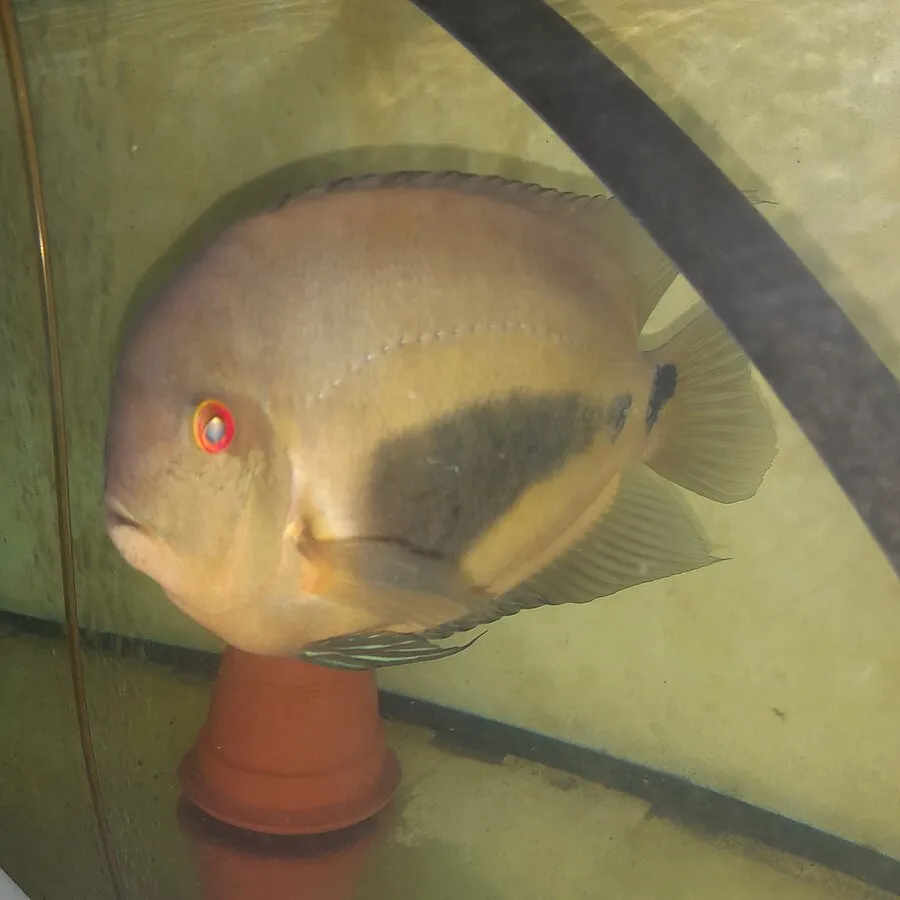
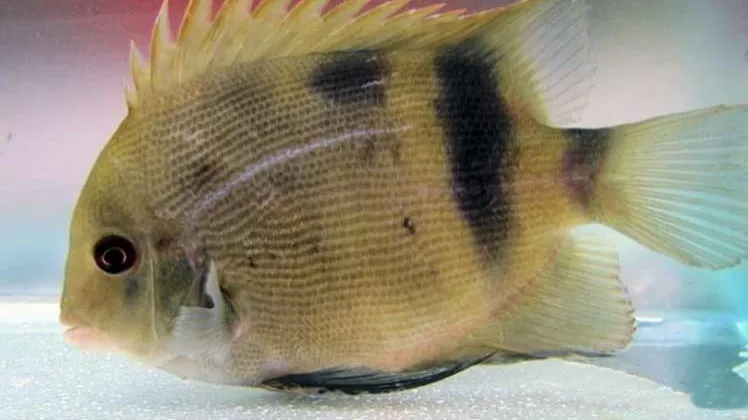
Uaru (pronounced YOU-ah-roo) is a round, leaf-shaped South American cichlid. It has a deep body, soft fins, and a calm, slow way of swimming that many hobbyists love. Uarus are not tiny — they can grow quite large — and they often show a pale body with darker patches and a bright eye-spot. Because they are peaceful, pretty, and behave in interesting ways, they’re popular with hobbyists who want a gentle, centerpiece fish.
Origin
- Comes from the Amazon basin (rivers in Brazil, Guyana, and nearby areas)
- They live among flooded forests and slow streams
Uaru Temperament
- Generally peaceful and shy
- Moves slowly and prefers calm tankmates
- Can become territorial only during spawning
Compatibility
- Good with other large, peaceful South American species, for example:
- Larger tetras
- Gentle cichlids
- Angelfish
- Severums
- Silver dollars
- Avoid small, delicate fish (they may be eaten) and very aggressive species (they stress Uaru)
Uaru Price range
- Small juveniles: ₹300–₹1,500
- Medium (3–4") specimens: ₹1,000–₹2,500
- Large/Imported adults: ₹3,000–₹5,000+ depending on size and source
Characteristics
Temperament
Aggressive
Friendly
Compatibility with other fishes
Not Friendly
Super Friendly
Habitat Size
Small
Large


Uaru Habitat Requirements
Initial Setup Cost
₹10,000 - ₹30,000
Water Temperature
24º -28ºC
Water Type
Fresh Water
PH Level
6 - 7
Tank type
- Freshwater only (Wild Uaru are river/forest freshwater fish)
Aquarium size
- Minimum 250 liters (≈60–75 US gallons) for a small group or adult pair
- They grow large and need room to swim
Uaru Water conditions
- Temperature: ~26–28°C (75–82°F)
- pH: about 5.0–7.0 (slightly acidic to neutral)
- Hardness: 5 - 12 (soft to moderately hard water)
Uaru Environment needs
- Lots of plants or plant-like cover (Uaru enjoy leafy shelter but will nibble on some plants—use sturdy plants or a mix of real and artificial)
- Driftwood, smooth rocks, and hiding spots to make them feel safe
- Good filtration and regular water changes — they like clean water
Essential Equipment
Aquarium tank
Water filter
Heater
Light
Substrate
Uaru Nutritional Guide
Avg Monthly Expenses
₹200 - ₹ 300
Uaru Diet type
- Omnivore with a strong preference for plant matter in the wild
Suitable foods
- Vegetable matter: blanched zucchini, spinach, peas, lettuce
- High-quality flakes and pellets formulated for herbivorous/omnivorous cichlids
- Algae wafers and spirulina-based foods
- Occasional frozen/live protein (brine shrimp, bloodworm) as a treat
Uaru Feeding frequency & tips
- Feed once or twice a day with portions they finish in a few minutes
- Offer mostly plant-rich foods to keep digestion healthy and reduce plant-eating in the tank
- Vary the menu — variety keeps them healthy and colorful


Uaru Health & care
Common Health Issues
Fin rot
White spot / ick
Velvet disease (yellowish-brown spots on the skin)
Fungal infections
Bacterial infections
Hole in the head disease
Signs of good health
Bright coloration
Active
Good apetite
Signs of sickness
Loss of appetite
Lethargic behaviour
Dull coloring
Tattered fins
Swimming abnormally
Uaru, like many fish, thrive if kept healthy, with proper care, a clean tank, a good diet, and watching their behavior to find problems early.
Ich (White Spot Disease)
Ich is a common parasite with an appearance as tiny white dots on the body and fins. Infected fish may rub against objects or breathe faster than normal. Ich is usually caused by environmental stress or water changes. Raising the water temperature slightly is one common treatment. Other treatments include using one of the recommended anti-itch products and improving water quality. Always follow the directions of the medicine, and remove activated carbon from filters to allow the medicine to work.
Hole-in-the-Head (Hexamita)
This manifests as small, pitted lesions on the head and the flanks. They are caused by poor nutrition, poor water quality, and sometimes internal parasites. Uarus that are fed little plant matter or vitamins or are housed in suboptimal water quality are much more likely to come down with the condition. Feeding more vitamins and plant matter and filtering water strongly and steadily may benefit them. If needed, one can medicate for internal parasites. A balanced diet in general and regular water changes should prevent internal parasitic infections.
Bacterial/Fin Rot
Fin rot starts as ragged or darkened fin edges and can progress if water quality is poor or fish are stressed or injured. Treatment is improving water conditions, isolating very sick fish, and using antibacterial medicines when needed. Keeping tank water clean, avoiding overcrowding, and feeding good food help prevent fin rot from starting.
Uaru General health tips
- Do regular partial water changes (20–30% weekly)
- Keep good filtration and stable temperature
- Feed a varied, mostly vegetable-rich diet
- Quarantine new fish before adding them to the main tank
- Watch behavior daily (loss of appetite, hiding, odd spots) — early action helps
Prerequisites for a Fish
Adequate tank space
Cleanliness
Effort & commitment
Enriching Environment
Written by
Happy Pet TeamAuthor
Team Happy Pet is a passionate collective of pet experts, enthusiasts, and advocates dedicated to sharing trusted and insightful content.
Our cont
Frequently Asked Questions
Are Uaru fish compatible with other fish?
Uaru fish are generally peaceful and can be kept with other non-aggressive species. However, they require ample space and hiding spots to feel secure.
What kind of water conditions do Uaru fish prefer?
Uaru fish prefer soft, slightly acidic to neutral water with a pH level between 6.0 and 7.0.
Do Uaru fish require a lot of maintenance?
Uaru fish require moderate maintenance. Regular water changes, monitoring water quality, and providing a balanced diet are essential to their care.