Home
/
Fish species
/
Yellow Labidochromis
Yellow Labidochromis
Origin
South Africa
Habitat Size
50-150 Liters
Water Type
Fresh Water
Water Temperature
24º-26ºC
Cost in India
₹80 - ₹150
Size
2 - 6 inches (Small)
Diet
Omnivore

by Happy Pet TeamUpdated on 2 Dec 2025
Introduction of the Yellow Labidochromis
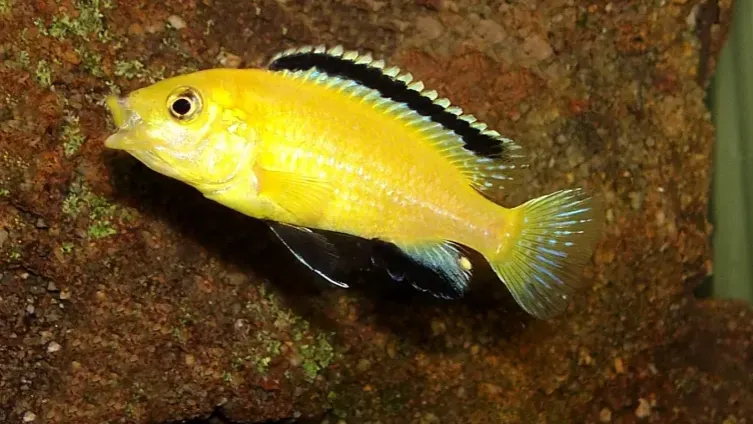
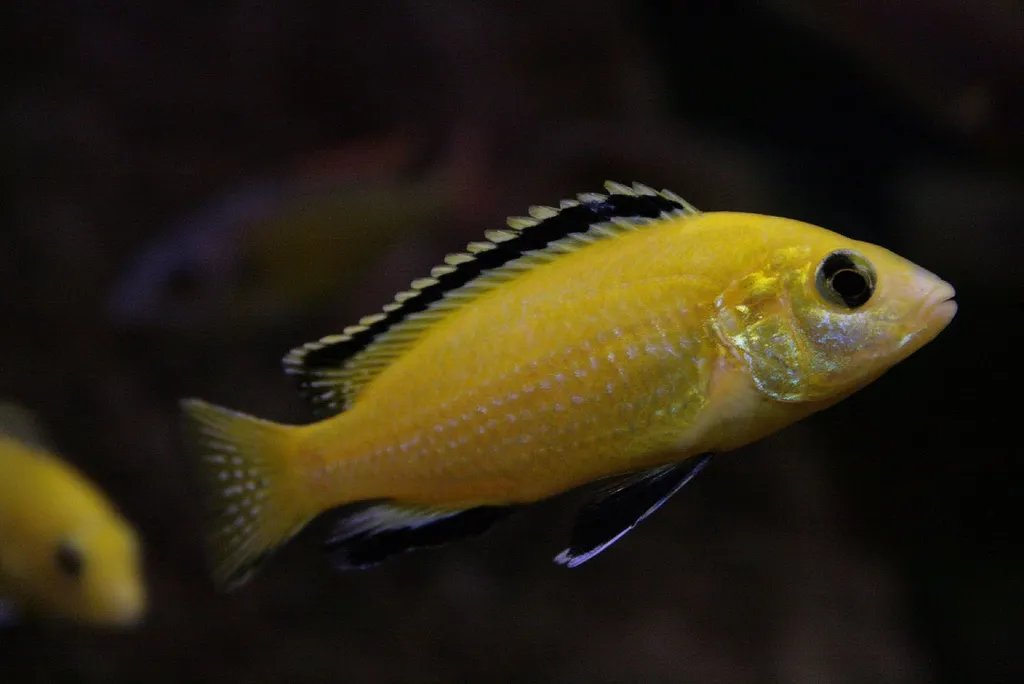
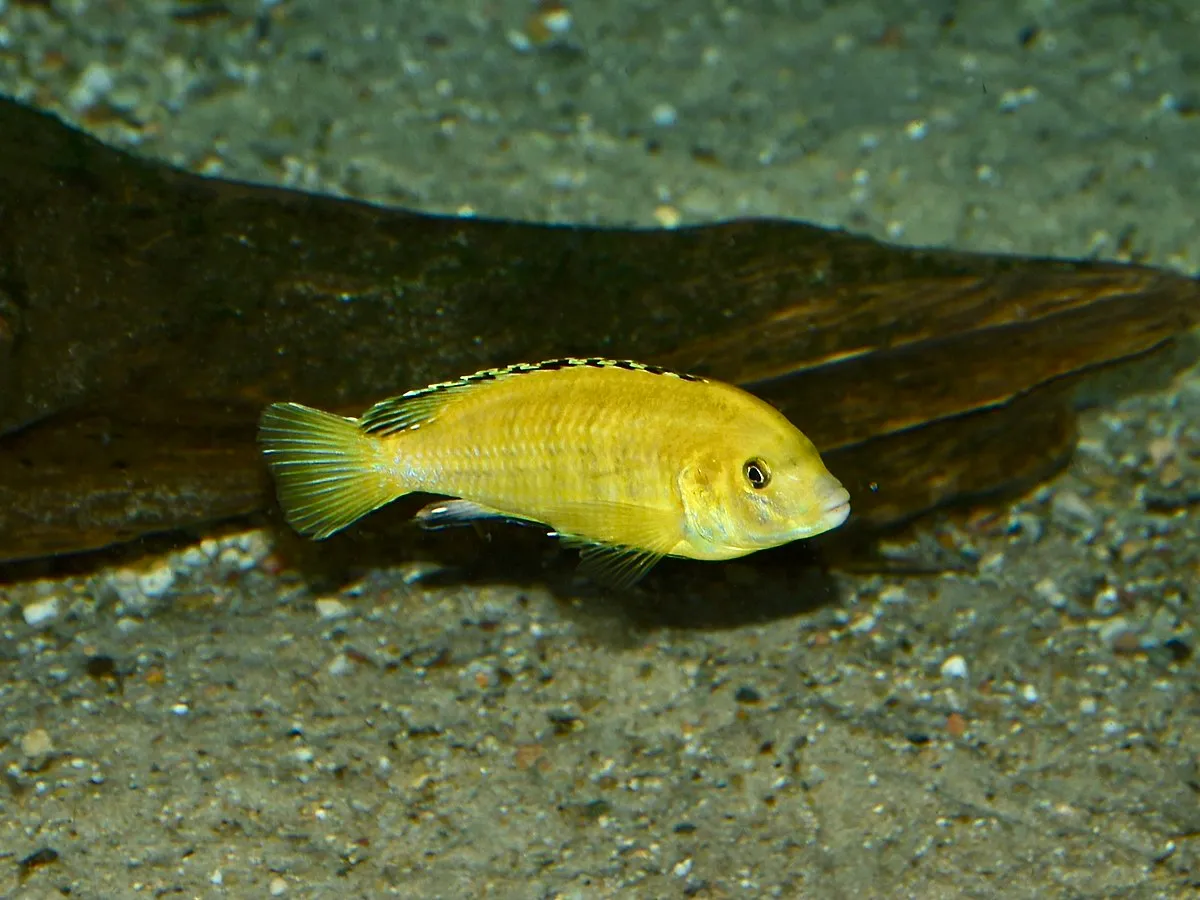
Yellow Labidochromis or Electric Yellow Cichlid (Labidochromis caeruleus) is the most desired freshwater aquarium hobbyists and possibly the trendiest. Its bright electric yellow color, serene nature, and energetic personality create this African cichlid a vibrant contrasting figure in an aquarium.
Contrary to most territorial and aggressive cichlids, the Yellow Labidochromis is peaceful, tolerant, and friendly, and therefore ideally suited for veteran aquarists and novice beginners as well.
Yellow Labidochromis Origin
Yellow Labidochromis naturally inhabit East Africa's Lake Malawi - one of the globe's most famous lakes for their stunning cichlids. They inhabit above rocky shores and in shallow water that is plentiful with caves and crevices in their natural habitat to utilize as hiding spots, spawning sites, and feeding grounds.
Their native state is mineralized and weakly alkaline water, and as such the same being maintained in the aquarium sustains them alive and healthy.
Temperament of the Yellow Labidochromis
They are referred to as non-aggressive and curious, a characteristic not found in African cichlids. They are low-territorial males in breeding and otherwise less snappy than other Malawi cichlids.
They do well in a group of 4–6, in a sex ratio where there is one male to many females, minimizing territorial stress.
Yellow Labidochromis Compatibility with Other Fish
Yellow Labidochromis are great community tank dwellers, especially with other peaceful African cichlids.
Good tankmates are:
- Peacock Cichlids
- Acei Cichlids
- Synodontis Catfish
- Rainbowfish
- Bristlenose Plecos
Avoid keeping them with highly aggressive Mbuna cichlids or fin-nipping fish like guppies and tetras, that will be stressed or harassed.
Price Range of the Yellow Labidochromis
They are inexpensive and readily available. Yellow Labidochromis in India will typically range from ₹250–₹700 ($3–$8) depending on their size, the intensity of coloration, and breeding quality.
Characteristics
Temperament
Aggressive
Friendly
Compatibility with other fishes
Not Friendly
Super Friendly
Habitat Size
Small
Large


Habitat Requirements of the Yellow Labidochromis
Initial Setup Cost
₹4,000 - ₹12,000
Water Temperature
24º -26ºC
Water Type
Fresh Water
PH Level
7.8 - 8.6
Tank Setup
- Tank Type: Freshwater (African Cichlid Aquarium)
- Minimum Tank Size: 30 gallons for a small group
- Substrate: Fine sand or crushed coral to help with keeping alkalinity
- Decor: Rocks, caves, and hiding places
- Lighting: Moderate
Water Requirements
- Temperature: 24–28°C (75–82°F)
- pH Level: 7.5–8.5
- Water Hardness: 10–20 dGH
Environment Needs
They require sparkling, well-aerated water and proper filtration to acclimate to their hyperactive activity level and feeding schedule.
Essential Equipment
Aquarium tank
Water filter
Heater
Light
Decor
Yellow Labidochromis Nutritional Guide
Avg Monthly Expenses
₹80 - ₹ 150
Yellow Labidochromis are plant- and protein-eating omnivores.
Dietary recommendations:
- High-quality cichlid flakes or pellets
- Spirulina foods
- Blanched peas, spinach, and zucchini
- Frozen or live brine shrimp and bloodworms (as an occasional treat)
Feeding Tips:
Feed twice daily in small amounts which they will finish within 2–3 minutes. Excess feeding causes digestive issues like bloat.


Health & Care of the Yellow Labidochromis
Common Health Issues
Fungus
Parasites
Swim bladder inflammation
Bacterial infections
Columnaris (cotton wool-like growth on the skin)
White spot / ick
Signs of good health
Active
Bright coloration
Good apetite
Signs of sickness
Loss of appetite
Lethargic behaviour
Dull coloring
White film
Tattered fins
Common Problems of the Yellow Labidochromis
Malawi Bloat
Prevalent disease among cichlids due to overfeeding or incorrect diet.
- Symptoms: Swollen belly, loss of appetite, and lethargy
- Treatment: Starve for 2 days, eat peas, and take antibacterial meds
Fin Erosion (Fin Rot)
Usually caused by water quality issues or stress.
- Symptoms: Torn or frayed fins, pale gill covers
- Treatment: Increase filtration, change water, and treat with antibiotics
Hole-in-the-Head Disease
Parasitic/bacterial disease due to unclean tank and malnourishment.
- Symptoms: Pits or holes on lateral line or head
- Treatment: Keep water clean, give vitamin-fortified foods, and treat with metronidazole as necessary
Prerequisites for a Fish
Cleanliness
Adequate tank space
Effort & commitment
Enriching Environment
Written by
Happy Pet TeamAuthor
Team Happy Pet is a passionate collective of pet experts, enthusiasts, and advocates dedicated to sharing trusted and insightful content.
Our cont
Frequently Asked Questions
How big do Oranda Goldfish get?
Oranda Goldfish typically grow to a size of 6-8 inches, although some can grow even larger depending on factors such as genetics and tank conditions.
Do Oranda Goldfish require special care for their head growth?
Oranda Goldfish are known for their "wen" or head growth, which requires special attention to maintain cleanliness. Ensure that the tank is well-maintained with proper filtration and regular
What water parameters are ideal for Oranda Goldfish?
Freshwater aquariums with a pH of 7.8 to 8.6 and a temperature range of 18 to 24°C are ideal for Oranda Goldfish. Regular water changes and maintenance are crucial to ensure optimal water quality.