Home
/
Bird species
/
Cockatiel
Cockatiel
Origin
Australia
Size
Small Breed
Ideal Weather
18º-30ºC
Avg Monthly Expenses
₹4,000
Basic Lifestyle
₹5,000
Premium Lifestyle
Top 5 Traits
Friendly
Playful
Social
Gentle
Affectionate

by Happy Pet TeamUpdated on 20 Jun 2025
Quick Information about the Cockatiel
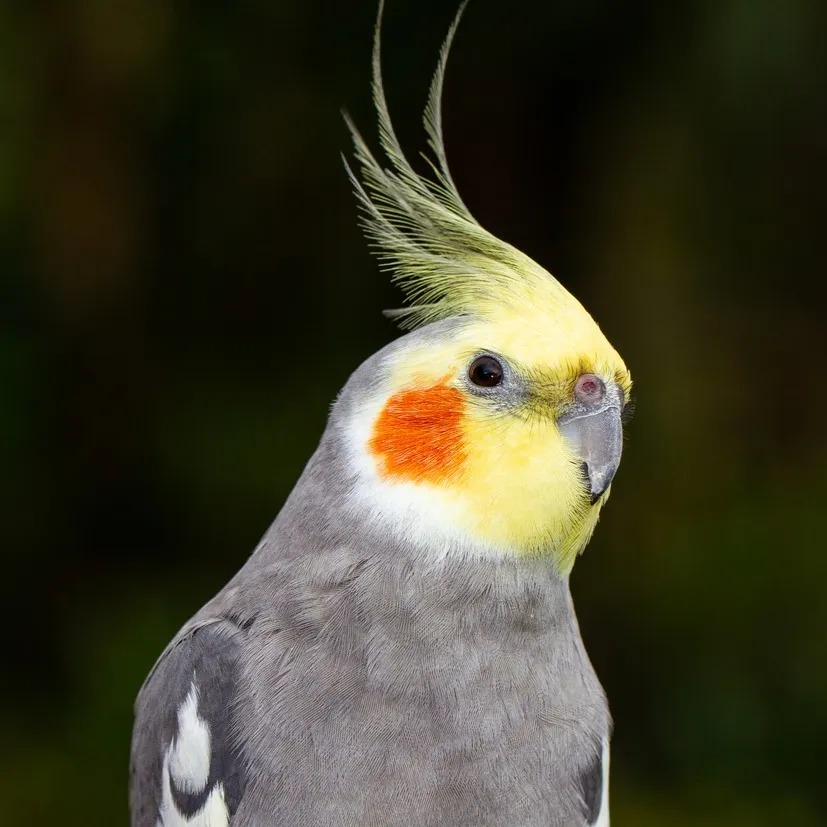
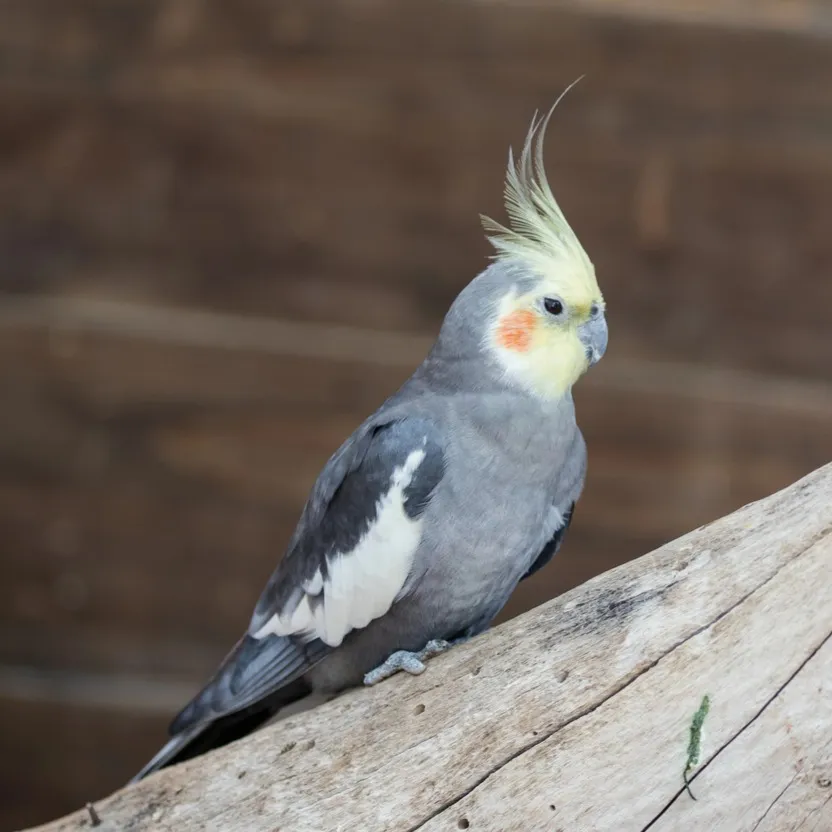
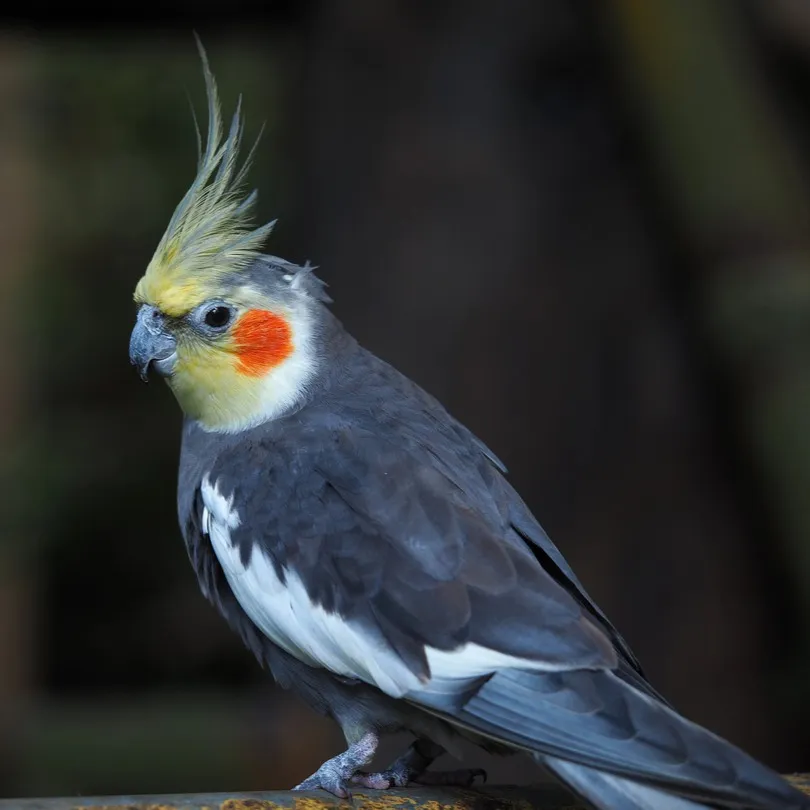
The Cockatiel is a small, crest-topped member of the cockatoo family, native to Australia. Typically grey with bright orange cheek patches, these birds also come in attractive color mutations like lutino, pearl, and pied. They have long tail feathers and zygodactyl feet.
A favorite among bird enthusiasts across India, they’re prized for their gentle nature, moderate size, and suitability for apartment living.
Known for their sweet personalities, cockatiels are easy-going, friendly, and clever. Males are especially good at whistling tunes and mimicking sounds. Though not as chatty as larger parrots, they still charm with simple words or melodies. They form strong bonds with their human flock, loving gentle handling, mental games, and consistent routines.
These birds are considered ideal for first-time bird owners.
Lifespan of the Cockatiel
These birds generally live between 15 and 20 years if well taken care of. With excellent care, they can sometimes reach their mid-20s, and very few rare companions live into their 30s.
In the wild, Most cockatiels are known to survive around 10 to 14 years.
Main Traits & Characteristics of the Cockatiel
Cockatiels are social and friendly, often forming close bonds with their owners. They thrive on interaction. So, playtime, gentle handling, and companionship is very important for them. This helps prevent stress and feather-plucking.
These birds are curious and clever, quickly learning tricks, exploring toys, and solving simple puzzles. They're also playful. In fact, many have been known to enjoy mini skateboards, basketball hoops, and foraging games.
Vocal and musical, cockatiels whistle tunes, mimic household sounds. Males are better at vocal mimicry. Both genders express happiness with chirps and flock calls.
In their natural habitat, they’re monogamous, sticking with one partner for life and caring jointly for chicks. In captivity, they bond closely with their favorite person. However, keeping one bird is not advised.
What is the temperament of a Cockatiel?
Cockatiels are considered gentle, playful, and highly social birds that quickly bond with their owners. They thrive on daily interactions. They enjoy toys, simple tricks, and whistling tunes. Males especially love to mimic household sounds.
Surprisingly, their crest is very expressive and you can figure out the mood of the bird from it. If it is upright, they are alert and happy. If it is flattened, they are upset or scared.
Cockatiels are sensitive to noise or routine changes and may flutter, hiss, or briefly bite if scared. They need calm environments, daily out-of-cage time, toys, and consistent routines to prevent feather plucking and stress-driven behavior. With proper care, these affectionate companion birds bring warmth and charm to any home.
Exercise Needs of the Cockatiel
Cockatiels need daily movement and mental stimulation to stay healthy and happy:
Over an hour of supervised out-of-cage time that includes safe indoor flight, exploration, climbing ropes, ladders, and perches is one the best practices.
Inside their cage, many foraging toys, swings, chewable wood, and foot toys to encourage natural behavior and trim beaks are a must. Rotate toys regularly to keep things fresh. These birds get bored fast!
To boost exercise, position food and water bowls apart so your bird must climb or fly to eat or drink. Install ropes or nets to encourage climbing. Place their cage in a secure aviary or sunlight near a window for added enrichment and
Vitamin D.
Engaging your cockatiel with games, tricks, teaching simple fetch, and mirror play strengthens your bond and prevents boredom and behavioral issues.
Characteristics
Affection
Not Friendly
Super Friendly
Vocalization
Silent
Vocal
Intelligence
Low
High
Social Behavior
Prefer Isolation
Very Social


What kind of food is the best for Cockatiels?
Monthly Food Expenses
₹2,500 - ₹ 3,000
Ideal weight
80 - 100 grams
Essential Nutrients
Protein
Carbohydrates
Fats
Vitamins
Minerals
List of foods
Seeds
Fruits
Vegetables
Cooked eggs
Whole grain breads
Legumes
Leafy Greens
Wild Diet
Cockatiels in their native Australia are mostly herbivores. They feed on a wide variety of grass and weed seeds, berries, flowers, pods, fruits, nuts, and crops like sorghum and sunflowers. They may also pick up insects occasionally. Wild cockatiels spend time foraging which keeps them active and engaged .
Captive Diet
To mimic their natural diet and ensure balanced nutrition:
- Cockatiels need pellets that form 60–80% of their diet:
- Seeds & nuts should form atleast 10% of their diet. Small amounts of healthy seeds and nuts (e.g., millet, sunflower, pumpkin) as treats or training rewards is the best way to incorporate it in their diet.
- Vegetables & fruits need to make atleast 10 to 40% of their diet. Offer leafy greens (kale, spinach), carrots, broccoli, as well as fruits like apples, berries, or mango. Make sure all fruits are washed, chopped, and seed-free.
- Fresh water needs to be provided constantly.
Which foods to avoid for a Cockatiel?
Avoid anything with these ingredients
Alcohol
Avocado
Chocolate
Caffeine
Onions
Garlic
High-fat foods
Cockatiels should never eat certain foods and substances because they can harm or even kill them. Below is a list of those foods to avoid:
- Avocado, chocolate, caffeine, and alcohol are highly toxic. These can cause heart, nerve, or breathing problems.
- Onions, garlic, and other alliums can damage red blood cells, leading to anemia.
- Raw or dried beans, mushrooms, and nightshade plant parts like potato or tomato leaves can lead to poisoning or organ damage.
- Fruit pits and seeds from apples, cherries, peaches, and plums contain cyanide. This is a big no!
- Salt, fatty snacks, sugary foods, xylitol, and raw dairy can cause dehydration, obesity, hypoglycemia, digestive issues, and liver/kidney damage. Bottom line, keep human junk food as far away from them as possible.


Health
Avg Monthly Expenses
₹1,500 - ₹2,000
Recognising Stress
Feather Plucking
Tail Bobbing
Excessive Vocalization
Aggression
Repetitive Movements
Loss of Appetite
Withdrawal or Hiding
Common Health Issues
Psittacosis
Respiratory Infections
Fatty liver disease
Feather Plucking
Psittacine Beak and Feather Disease (PBFD)
Aspergillosis
Egg Binding
Energy Level
Medium
Preventative measure
Physical checkup every 6-12 months
Annual Blood Work
Annual Fecal Exam
Feather Assessment
Nail Trimming
Beak Assessment
Environmental Enrichment
Medical Care
Here are a few tips to make sure your cockatiel leads a healthy, happy life with you.
Vet Visits
Annual wellness exams with an avian vet, which include physical checks, blood, and fecal tests, are a must, and they ensure early detection of health issues.
Home Care & Enrichment
- Foraging toys, chewing items, swings, perches, and at least 1 hour outside the cage is mandatory to keep your cockatiel mentally stimulated.
- Rotate toys and rearrange cage items regularly to prevent boredom.
- Offer fresh branches or outdoor time on a safe harness for mental and physical enrichment.
Health Warning Signs
Watch for fluffed feathers, reduced appetite, labored breathing, odd droppings, lethargy, or feather loss.
Sudden changes like hiding, lack of vocalizing, or imbalance should be taken seriously and they should be taken to the vet immediately.
Prerequisites to pet a Cockatiel
Regular Cage Cleaning.
Enrichment Activities.
Time Commitment.
Noise Tolerance.
Which is the best habitat for a Cockatiel?
Initial Setup Cost
₹2,000 - ₹ 2,500
Monthly Expenses
₹500 - ₹ 1,000
Essential Equipment
Bird Cage
Perches
Food/ water dishes
Toys and Enrichment
Cage Liner Paper
Cuttle Bone
Cage Cleaning Brush
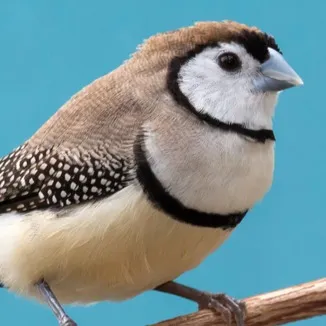
Compatible mates
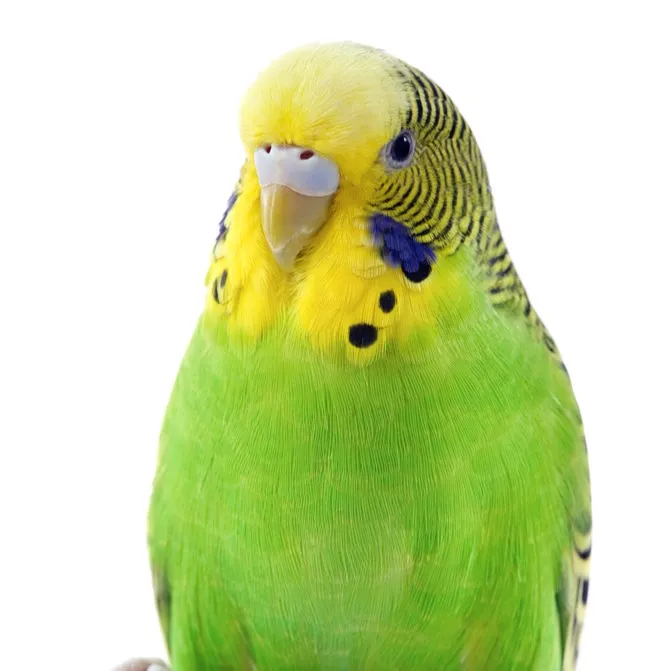
Budgerigar.
Lovebird.
Bourke's Parakeet.
Canary.
Wild Habitat
Cockatiels are native to the open woodlands, savannas, scrublands, and arid regions of inland Australia, often near water sources like rivers or lakes. They thrive in flocks of dozens to hundreds, nesting in tree hollows and foraging primarily on seeds, shrubs, and the occasional insect. Their habitat features low vegetation and mild elevation. They can adapt to hot summer days above 40 °C to cold Australia winters.
Captive Habitat
At home, cockatiels need a generously sized cage: minimum 24″ L × 24″ W × 30″ H. This cage should be made of safe, non-toxic materials. Make sure your cage has horizontal bars for climbing, varied perches, and rotating toys to encourage play and exercise. Keep the cage away from direct wind or sun.
These birds love being around people, so keep the cage in a livelier part of the house.
Written by
Happy Pet TeamAuthor
Team Happy Pet is a passionate collective of pet experts, enthusiasts, and advocates dedicated to sharing trusted and insightful content.
Our cont
Frequently Asked Questions
How long do cockatiels live?
Cockatiels typically live 15–20 years with proper care—some reach the mid-20s, and rare ones live into their 30s.
What should cockatiels eat daily?
One of the best feeding plans includes 70% pellets, 30% fresh fruits & veggies, and a small seed treat. Always offer clean water. Make sure to never give toxic foods like avocado, chocolate, and caffeine.
Are cockatiels easy to care for?
Yes! They’re perfect for beginners. They are friendly, gentle, and social. A proper cage, nutritious diet, toys, and daily social time are all they need.
Can cockatiels talk?
Absolutely! Males are great whistlers and can mimic household sounds and some can even say a few words. Females may whistle but talk less.
How much space does a cockatiel need?
Minimum cage size should be 24″ L×24″ W×30″ H (60×60×75 cm). They also need at least an hour daily outside the cage to stretch and fly.
How do I know if my cockatiel is sick?
Watch for fluffed feathers, loss of appetite, odd droppings, sneezing, lack of energy, breathing changes, or feather plucking. Rush them to the vet if any of these symptoms arise.